Success story
Android TV Launcher for a Telecom Operator
Extending custom capabilities and integrating Netflix billing
Project overview
Client
Latin American cable operator
Goal
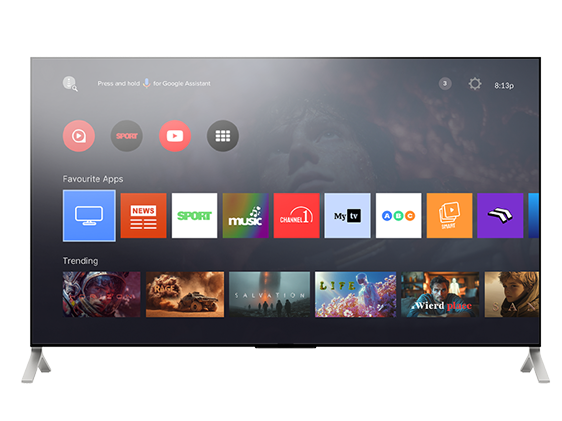
Provide Android TV set-top boxes with Google-certified Operator Tier launchers
Solution
Custom launchers for ZTE, Skyworth, and Amlogic boxes with integrated Netflix billing
Our role
Online video technology partner for TV launcher engineering
What the client set out to achieve
Android TV Operator Tier
Turn the web app into a certified Android TV home-screen launcher
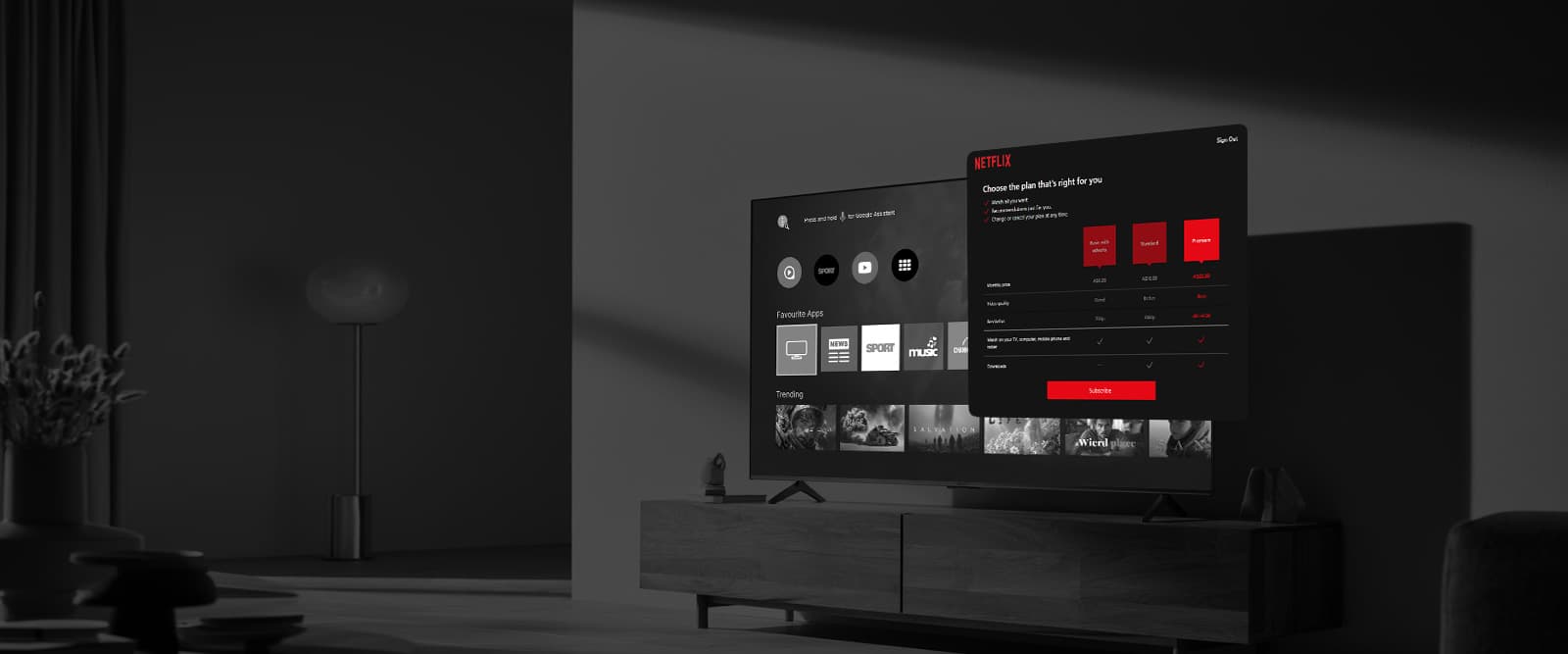
Netflix partner billing
Activate Netflix subscription through operator accounts
Centralized app management
Update the app remotely across the device fleet
Why they turned to Oxagile
Our challenge was to turn our WebView-based TV application into an Android TV Operator Tier launcher. This required native capabilities that web technologies didn't provide, including managing installed apps and responding to system events such as network changes and USB connections.
We also needed to integrate Netflix partner billing through the PADI protocol and meet Netflix's security requirements.
We were looking for a tech partner with deep expertise in Android apps, secure package installation, Android Keystore, and Netflix integration.
The launcher through the eyes of three users
Viewer
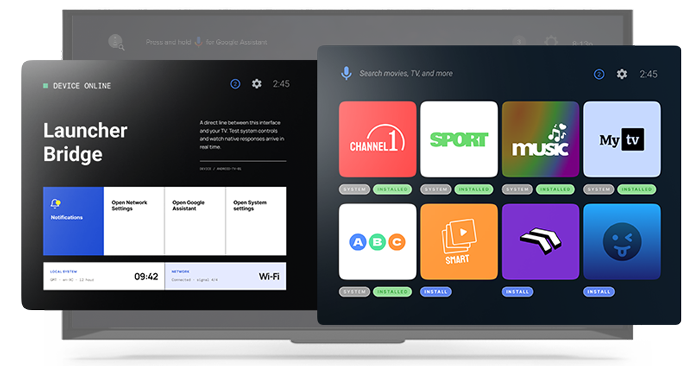
Using the operator's launcher to access installed apps, view live system notifications and device status, and launch apps, Google Assistant, or system settings
Subscriber
Activating and paying for Netflix through their operator account directly from the TV box, without a separate Netflix payment
Operator
Remotely deploying and managing software updates across the device fleet, with secure downloads, atomic installation, and per-component status reporting
The core components of the launcher
Launcher bridge library
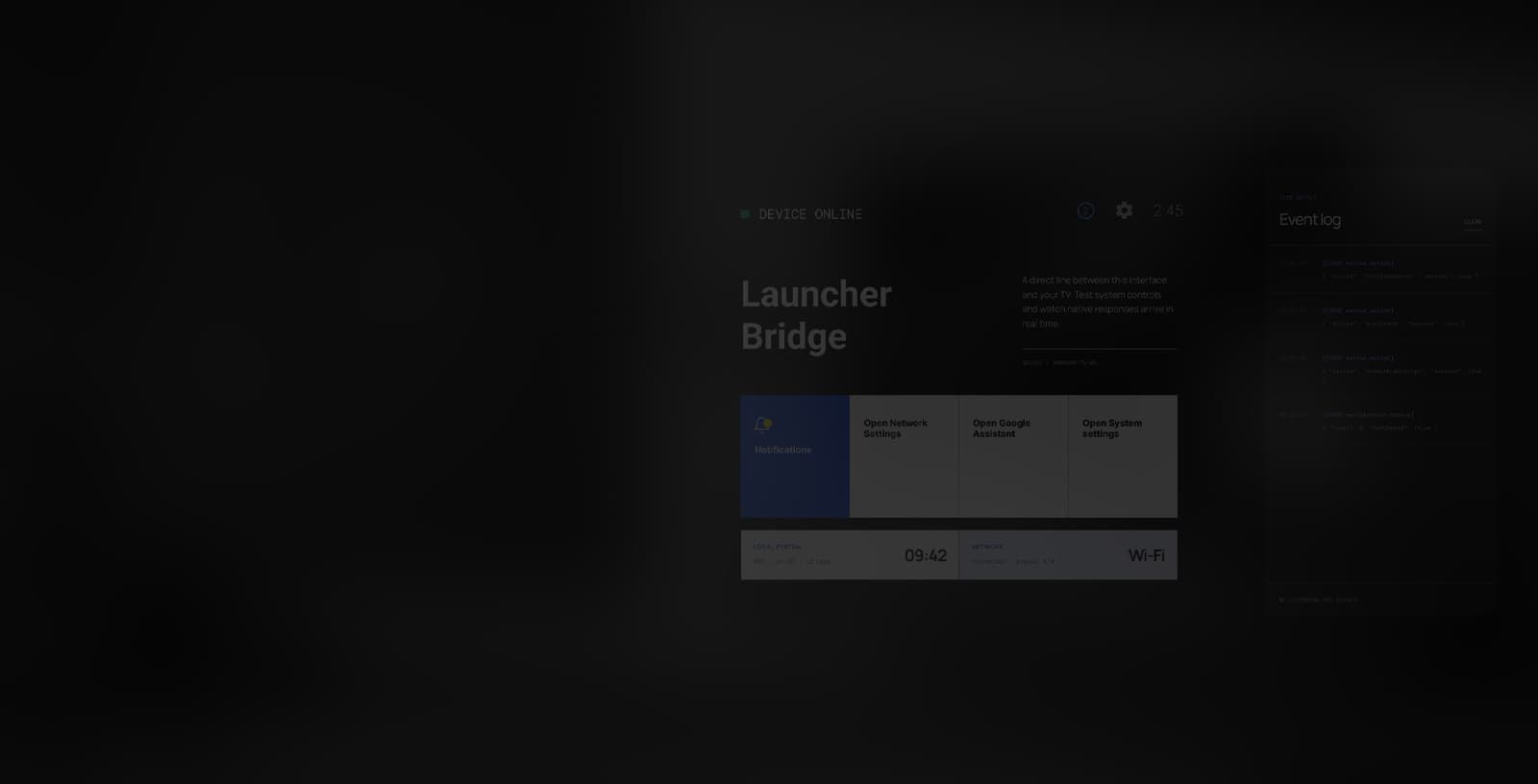
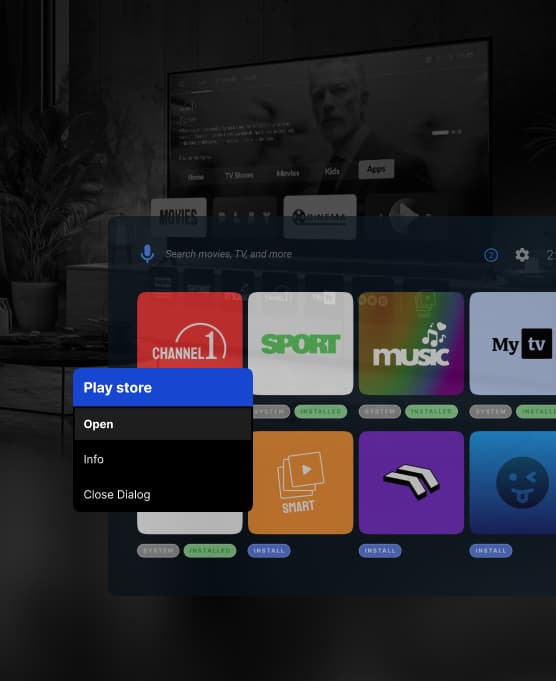
It connects the web-based launcher with native Android capabilities through a two-way JavaScript-to-Kotlin bridge. What it looks like:
- Live application discovery, installation tracking, launch, and management
- Native TV application banners and icons
- Real-time notifications with persistent read/unread states
- Live device events such as network connectivity, Wi-Fi signal, USB storage, and system settings
- Native access to Google Assistant, network settings, and system controls
- Subscription-based event delivery to optimize communication between web and native layers
- Plugin-based architecture for adding new native capabilities independently
Business value: It delivers a richer TV user experience with frontend flexibility and scalable integration of new device capabilities.
OTA update service
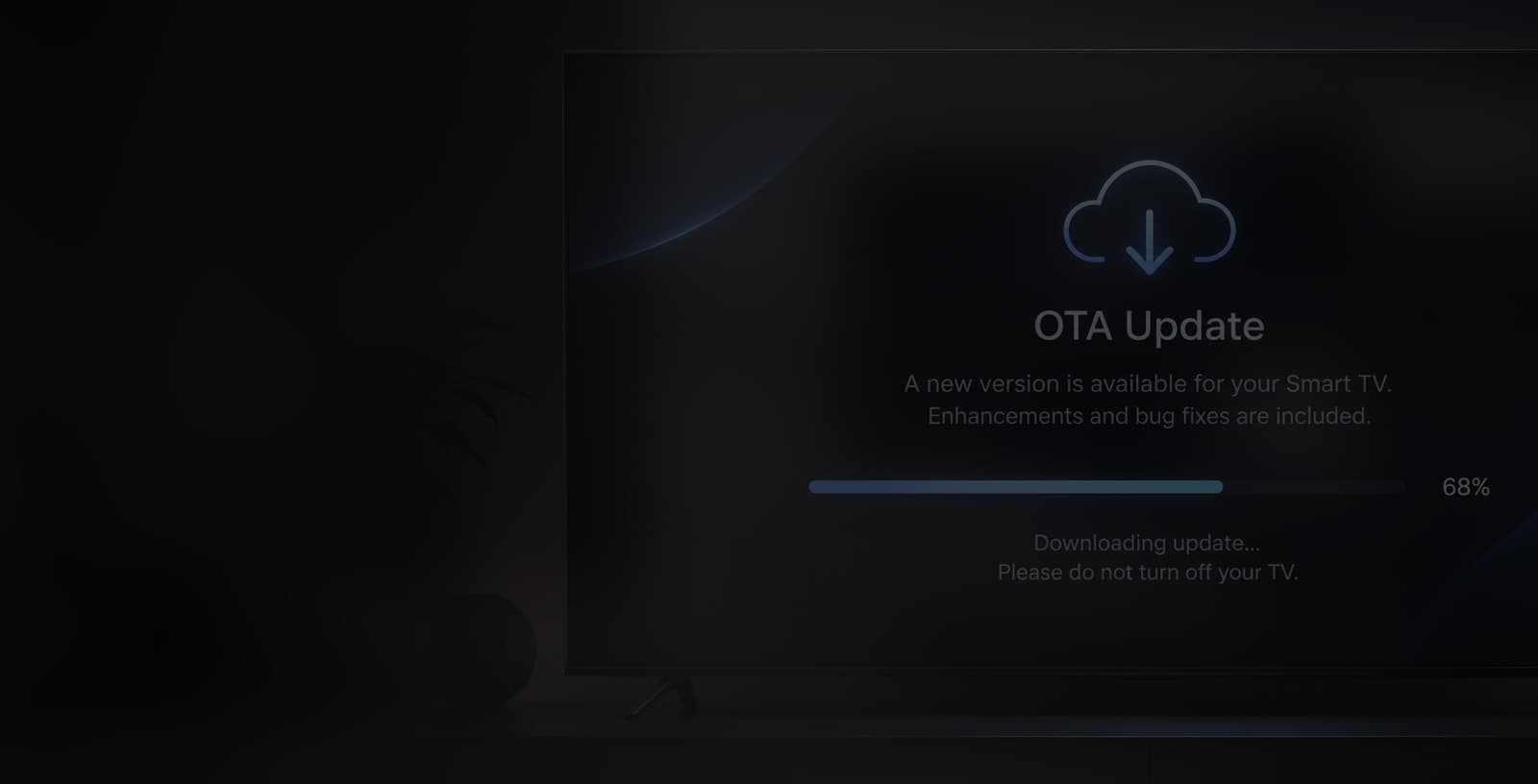
We developed a privileged Android system service to automate secure software distribution, installation, and lifecycle management across the entire device fleet. Here's how it works:
- Daily synchronization with the update backend and component-level version tracking
- Secure APK downloads with SHA-256 / MD5 checksum and signature verification
- Storage validation and downgrade protection
- Atomic multi-application installation, including updater self-updates
- Idle-based updates with a 48-hour fallback to a 02:00 – 05:00 maintenance window
- Reliable installation reporting through a deduplicated retry queue
- Crash-safe execution, adaptive retry mechanisms, and Sentry error monitoring
Business value: We engineered centralized, secure, and reliable fleet management, minimizing update-related risks and reducing the need for manual intervention.
Netflix PADI service
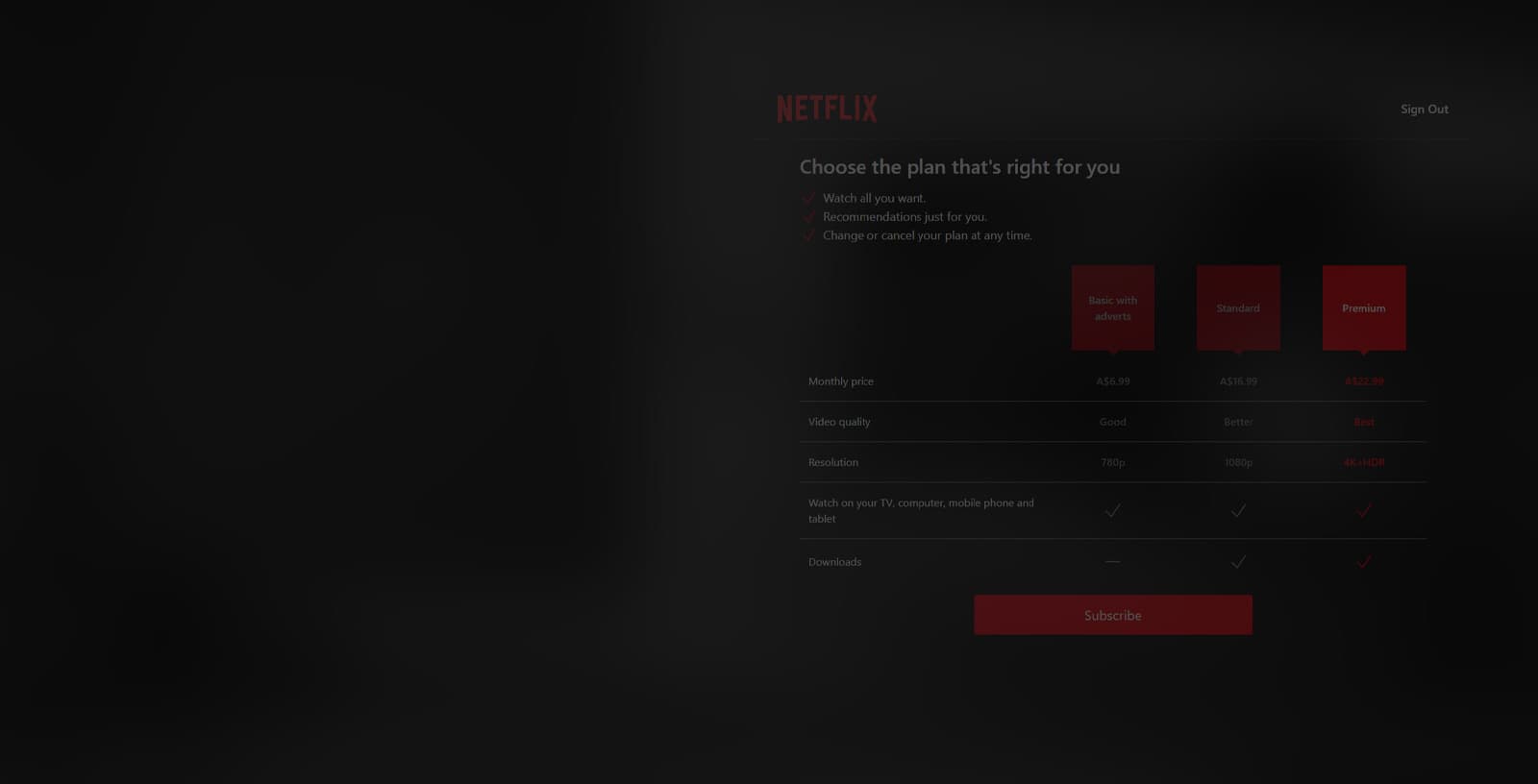
The team provided secure Netflix Partner Billing through automated device provisioning, subscriber identity management, and on-demand token exchange. The service includes:
- Automated device provisioning using hardware serial numbers and subscriber household IDs
- AES-256-GCM encrypted identity storage with Android Keystore key management
- Netflix application authentication through double signature verification
- Secure retrieval of short-lived Netflix tokens over TLS without caching
- Backend error mapping to Netflix-specific error codes
- Subscriber lifecycle management covering sign-in, sign-out, and household changes
- Self-healing provisioning through periodic heartbeats and automated background retries
Business value: We securely integrated Netflix Partner Billing, protecting subscriber identity and designing a seamless, reliable authentication and provisioning experience.
Technical decisions made to overcome constraints
| Area | Challenge | Solution |
|---|---|---|
| Self-update process termination | The updater's self-update process caused Android to terminate its own process mid-installation, preventing update results from being reported. | We redesigned the update cycle as a disk-persisted state machine with compare-and-swap transitions to launch recovery after restarts, verification of installed versions, and reliable reporting of outcomes, guided by real-device field logs. |
| Unreliable background delivery | Android background execution restrictions prevented headless system apps from reliably running background jobs, often failing silently. | We investigated the behavior on customer hardware and established privileged system app preinstallation as an integration requirement, documenting it in the manufacturers' integration guide. |
| Hardware constraints | Hardware-specific issues, including missing permissions that silently blocked provisioning jobs, could not be identified through emulator testing alone. | We introduced evidence-driven field testing on customer ZTE and Skyworth devices, complemented by a LineageOS emulator with system-level app installation, using recorded test results to identify and resolve platform-specific issues. |
| Complex multi-system integration | Multiple external dependencies, including box firmware, operator backend, Netflix allowlists, and subscriber household IDs, made end-to-end integration difficult to validate. | We established ownership of open questions and known defects, used Android platform diagnostics to verify broadcast delivery to Netflix, and validated the complete integration flow using a real Netflix token. |
| Subscriber identity synchronization | Subscriber sign-in, sign-out, and household changes created a risk of Netflix requests being answered using outdated subscriber identities. | We implemented accelerated polling after sign-in and household identity verification before every token response, validating the solution on physical hardware. |
| Balancing update scheduling and UX | Deferring updates while applications were in use could postpone installations indefinitely, and interrupting active sessions would compromise the user experience. | We applied idle-only atomic installation with a 48-hour fallback to a night-time installation window, balancing update reliability with uninterrupted viewing. |
The engineering approach we applied
We considered device updates as a mission-critical process. Our goal was to build a system that remains reliable under failure, secure by design, non-disruptive to end users, and flexible enough to scale.
The principles in practice
- A persistent state machine with compare-and-swap transitions to provide crash-safe, coordinated updates across reboots and self-updates
- An append-only, deduplicated reporting queue with batch delivery to guarantee complete installation reporting despite network failures
- Idle-time and night-window installations to prevent user disruption and let updates land within approximately 48 hours
- Double signature verification to protect against time-of-check/time-of-use vulnerabilities and meet Netflix security requirements
- A modular, plugin-style bridge with subscription-based events to support new native features without modifying the core
- Evidence-driven hardware testing with documented results, tracked defects, and clear ownership across integration partners
Tech stack
- Languages and platforms
- Kotlin 2.3 • Java 17 • Android TV • Gradle 9 • Android Gradle Plugin 9
- Android Frameworks and APIs
- Kotlin Coroutines & Flow • WorkManager • JobScheduler • PackageInstaller • WebView • BroadcastReceivers • ContentProvider
- Libraries and tools
- Hilt • Retrofit • OkHttp • kotlinx.serialization • Room • Gson • Timber • Jetpack Compose • TV Material
- Security
- Android Keystore • EncryptedSharedPreferences • APK signature verification • TLS • SHA-256 • MD5
- Integrations and services
- Netflix PADI Partner Starter Kit • Sentry • REST APIs • OpenAPI
- Testing and quality
- JUnit 4 • Mockito • ktlint • Detekt • Spotless • Android Lint • MobSF
- CI/CD and infrastructure
- Jenkins • GitLab
- Target hardware
- ZTE B866V2/B866V2F • Skyworth HP46A • Amlogic S905X2 and S905Y4
Selected projects delivered for telecom operators
Android STB app for a telecom operator
Ensuring online TV and VoD services for Android TV’s users

International IP sports broadcasting network
Live to multi-million audience

OTT platform for Pay-TV operators and content owners
Streamline digital content monetization
VoD service for a telecom operator
Business-critical VoD platform revamp
Multitenant video streaming platform
Connecting with viewers across 8 platforms