
Custom Emotion Recognition Software Solutions
Emotion inference built for live video, real cameras, and real users, not lab footage.
Talk to expertsEmotion recognition across industries
Emotion recognition software infers stress, fatigue, confusion, or engagement from facial, voice, text, and physiological signals. It detects observable cues, not actual feelings, with accuracy shaped by input conditions, data diversity, and signal fusion.
Oxagile builds custom emotion recognition into live video and real-time systems: input pipelines, multimodal fusion, temporal modeling, and integration through APIs and dashboards, on cloud or edge, backed by 20+ years in video platforms and 400+ shipped projects.
HealthTech
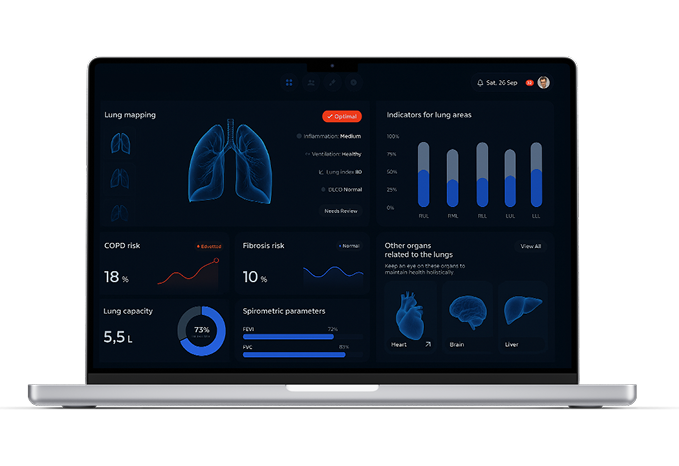
Emotion recognition technology can support neurological and developmental screening by identifying atypical facial expressions, gaze patterns, and emotional responses.
In mental healthcare, it tracks emotional changes associated with depression, anxiety, and PTSD. For non-verbal patients, facial analysis provides additional indicators of pain and discomfort.
During remote therapy, clinicians can monitor emotional responses, patient engagement, and signs of withdrawal. Facial emotion data also contributes to clinical assessments by providing additional information about stress, discomfort, and changes in patient condition.
Safety
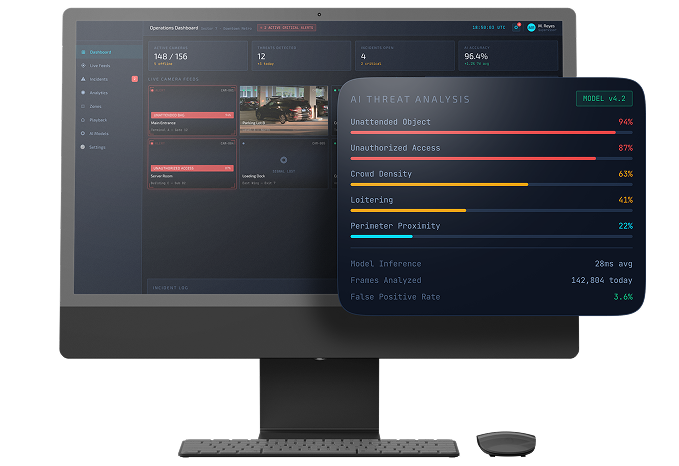
In driver monitoring systems, in-cabin cameras track facial expressions, gaze, and eye closure to flag signs of fatigue, distraction, or stress and trigger alerts. Similarly, in high-risk workplaces, facial analysis provides additional indicators of fatigue, stress, and cognitive overload that may warrant intervention.
For public safety applications, computer vision systems analyze facial and behavioral cues in crowds to support real-time risk assessment. In industrial machinery and robotics, emotion-aware interfaces can respond to signs of user frustration or confusion, reducing the risk of operational errors.
Marketing
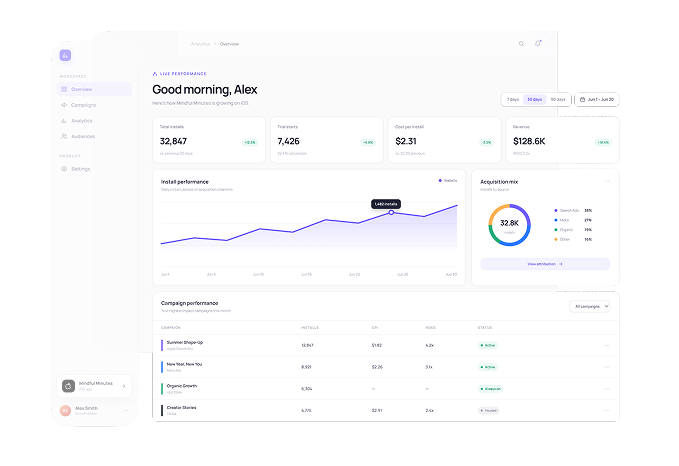
Emotion recognition gives marketing teams another way to understand how audiences respond to ads, products, and digital experiences. By analyzing facial reactions during ad testing, businesses can identify what attracts attention, generates positive responses, or causes viewers to lose interest.
In UX research, facial analysis paired with eye tracking reveals where users experience confusion or frustration when interacting with websites and apps. For market research, facial analysis adds another source of feedback apart from surveys and interviews, aiding in evaluation of creative concepts and customer experiences.
FinTech
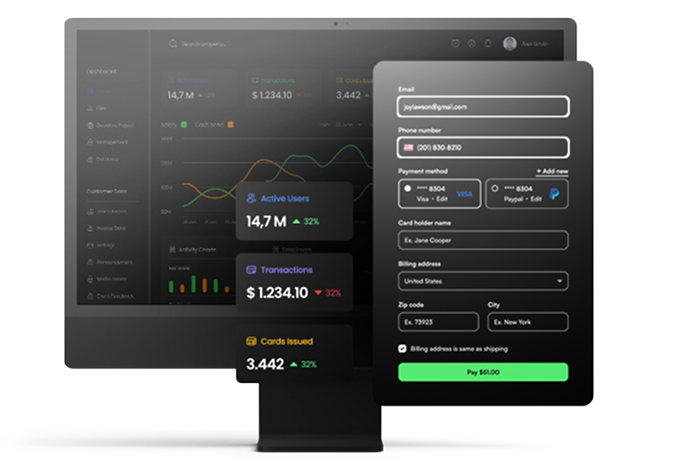
Emotion recognition technology provides financial service providers with additional insight into customer reactions during video consultations and digital interactions. In customer service, facial and vocal cues may indicate frustration or confusion, prompting agents to offer further assistance or escalate a request.
For banking apps and financial platforms, facial analysis highlights moments of hesitation during complex processes, such as loan applications or investment planning. During financial product testing, facial reactions provide additional feedback on how customers respond to pricing, risk disclosures, and investment scenarios.
Media and streaming
Media companies use emotion analysis in audience research to study viewer reactions to films, shows, trailers, and advertising. Frame-by-frame analysis highlights scenes associated with heightened engagement, confusion, or declining interest, informing decisions about pacing and editing.
During trailer and promo testing, audience reactions provide feedback on scene selection, storytelling, and promotional messaging. Streaming platforms may incorporate inferred emotional responses into recommendation models alongside viewing history and engagement data. For advertising research, analyzing viewer reactions to commercials and ad placements provides additional feedback on creative performance and campaign effectiveness.
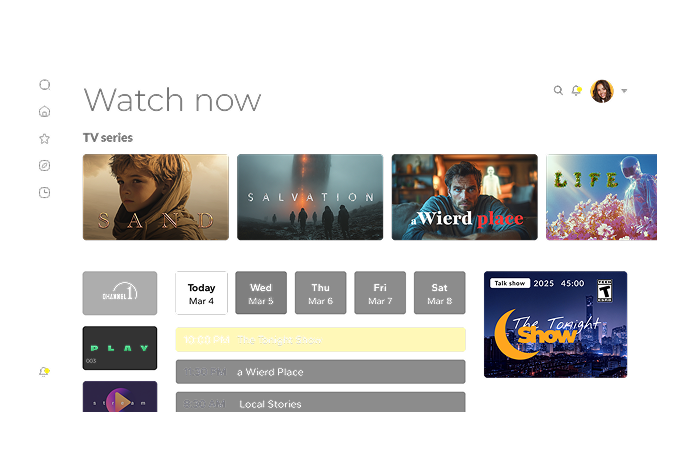
Our suite of emotion analysis software development services
Strategic pipeline design and real-world calibration allow emotion recognition to embed across the stack with minimal friction and total architectural stability.
Why teams build emotion recognition with Oxagile
Beyond custom emotion detection software development services, there's room to push product value further with smarter video-AI pipelines and tighter integration of emotion intelligence into broader digital ecosystems.
Cross-domain depth
Oxagile can bring together deep expertise in computer vision, ML, and video streaming in one delivery flow, which matters when emotion recognition has to work inside real video products, not just in a lab prototype.
High-load engineering
2+ decades in video platforms and 400+ shipped projects mean hands-on experience with real-time pipelines, heavy traffic, and latency-sensitive streaming systems that don't forgive weak architecture.
Compliance-ready systems
We always build with GDPR, EU AI Act, CCPA/CPRA, BIPA, and HIPAA constraints in mind, using privacy-by-design practices like consent handling, data minimization, on-device options, and audit-ready logging.
Choose where AI goes next
Build systems that interpret behavior in real time, understand multimodal video context, and adapt to humans.
Beyond emotion recognition
Emotion detection software development can be the entry point, with computer vision extended across video intelligence, user behavior, and real-time decision systems.
Real-time video analysis
Processing live streams and linking visual reactions to exact moments in content or interaction.
Face-based intelligence
Running detection, recognition, and expression-related analysis on facial signals in real time.
Scene-aware CV pipelines
Combining object tracking, scene detection, and OCR so signals are interpreted in full visual context.
Biometric fusion
Blending facial data with voice and other biometric inputs for a unified user state view.
Text signal extraction
Converting speech, transcripts, text data, and OCR into sentiment and intent signals alongside visual data.
System-level integration
Embedding CV models directly into existing platforms, video stacks, and analytics systems.
The stack powering our development
We turn multimodal signals into interpretable affect data, shaping systems that read and respond to human states in real time with a stack of emotion recognition development tools proven in practice.
- DL frameworks
- TensorFlow · PyTorch · Keras · ONNX · OpenVINO · Hugging Face Transformers
- Modules / Toolkits
- OpenCV · MediaPipe · Dlib · OpenFace · DeepFace · NVIDIA DeepStream · TensorRT
- Emotion & CV APIs
- Affectiva · Google Vision AI · Amazon Rekognition
- Speech & NLP
- Whisper · Google Speech-to-Text · Azure Speech · spaCy · NLTK
- Services
- AWS AI Services · Google Cloud AI · Azure AI
- Hardware
- GPU servers · Edge devices · Mobile · Cloud environments
Results from real projects
Oxagile’s team leverages years of computer vision software expertise to solve unique business challenges involving facial and emotion recognition at scale.
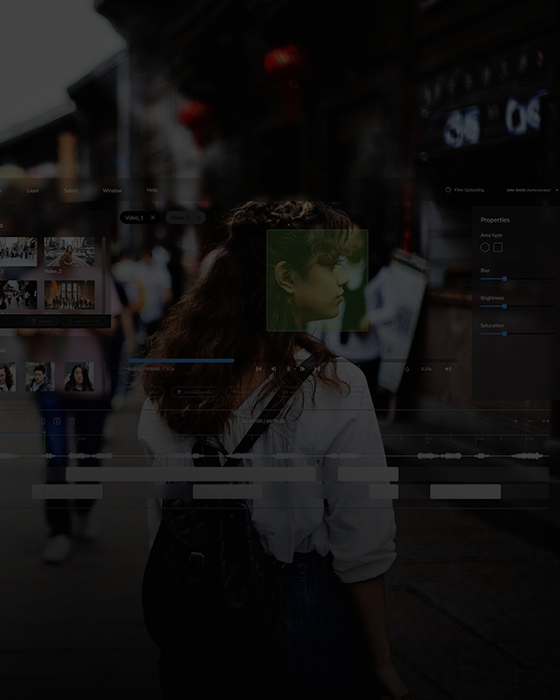
Video analysis platform
Next-gen computer vision-based solution
95%+ detection accuracy, process automation, and rich video editing capabilities for law enforcement and public safety.
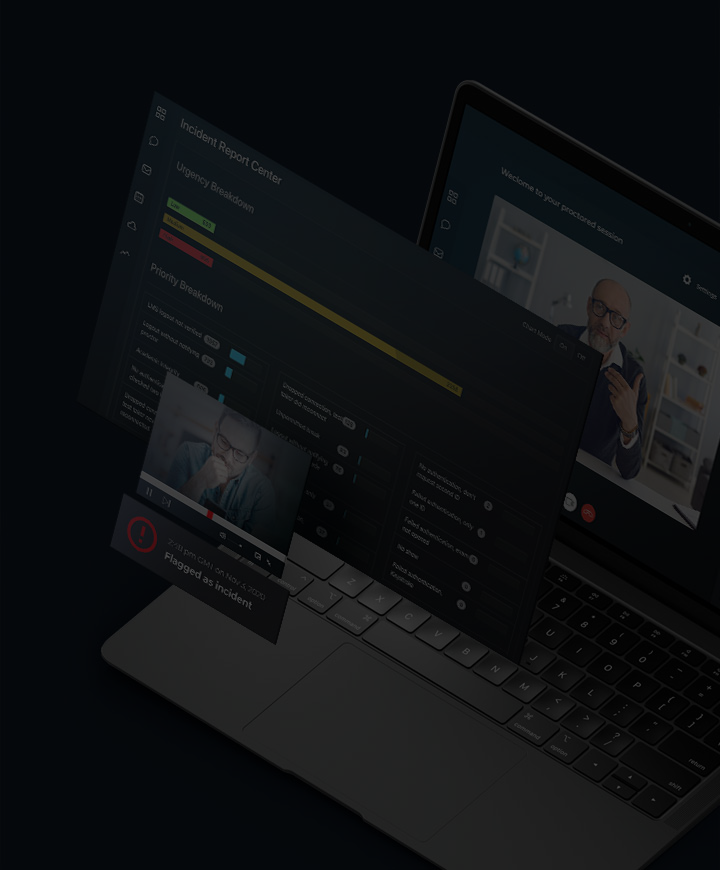
WebRTC proctoring platform
Effortlessly monitoring 5,000+ exams daily
Runs 5,000+ exams daily. The system relies on a customized version of the OpenCV library for dependable student identity verification and effective exam proctoring.
FAQ
What is the difference between facial recognition and emotion recognition?
Facial recognition identifies or verifies a person based on unique facial features, focusing on identity matching. Emotion recognition, also called emotion detection, analyzes facial expressions, voice, or physiological signals to infer affective states such as happiness, stress, or frustration rather than who the person is.
What are the top business use cases for emotion recognition?
Emotion recognition is commonly used in media and streaming to measure viewer engagement, in marketing to test ad effectiveness, in customer service to detect frustration or satisfaction in real time, and in automotive systems to monitor driver attention and fatigue. It is also applied in healthcare and digital UX optimization.
How accurate is the emotion recognition model across different cultures and demographics?
Accuracy varies depending on dataset diversity, model design, and cultural context. Facial expressions and emotional display rules differ across cultures, so models trained on limited or non-diverse data may show bias. Modern systems improve performance by using multimodal inputs and training on more balanced, representative datasets. Oxagile handles this in system engineering, with bias mitigation and model validation on data that reflects the people the system will actually see.
What is emotion recognition software?
Emotion recognition software infers affective states such as happiness, stress, frustration, or fatigue from facial expressions, voice, text, and physiological signals. Most systems output emotion classes or continuous scores such as valence and arousal, which applications use to trigger alerts, adapt content, or feed analytics.
What does the emotion recognition system read?
Signal | What the system reads | Examples of where it’s used |
Face (camera) | Facial action units, micro-expressions, gaze, eye closure | Driver monitoring, pain detection in non-verbal patients, trailer, and promo testing |
Voice (microphone) | Speech characteristics | Emotion-aware customer service |
Text (speech, transcripts, OCR) | Sentiment and intent signals | Combined with visual data in multimodal fusion |
Physiological (wearables) | Physiological patterns from sensor data | Combined with facial and vocal signals into one emotional state |
How do you choose a vendor for emotion detection software development?
Look for a team that has shipped real-time video systems, can validate models on data that matches your users and cameras, and designs for privacy law from the start. Oxagile brings over two decades in video platforms and more than 400 shipped projects, and builds consent handling, data minimization, on-device options, and audit-ready logging into emotion recognition systems.
Is emotion recognition legal under the EU AI Act?
Partly. The EU AI Act prohibits AI systems that infer emotions in workplaces and educational institutions, unless they are put in place for medical or safety reasons. Outside those settings, emotion recognition systems are classed as high-risk and carry extra obligations. Oxagile builds with GDPR, EU AI Act, CCPA/CPRA, BIPA, and HIPAA constraints in mind, using consent handling, data minimization, on-device options, and audit-ready logging.
