



Looking to expand your in-flight entertainment offering?
A specific onboard software need can be scoped and solved in a matter of weeks. Send the details and the team will follow up.
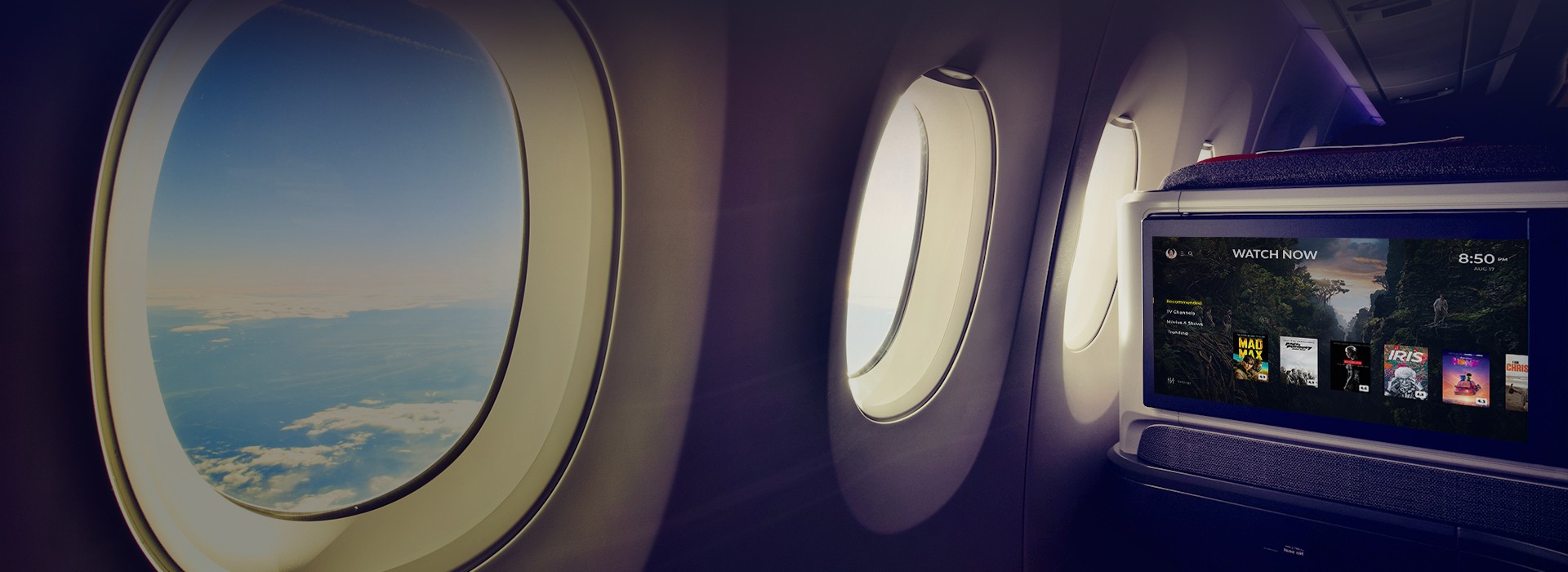
Passenger expectations onboard now match the living room, and falling short shows up in churn and weak ancillary uptake. The modules below cover common in-flight entertainment examples, each one available to build, extend, or customize on your clients’ video platform.



A specific onboard software need can be scoped and solved in a matter of weeks. Send the details and the team will follow up.
Most in-flight entertainment systems work falls into several tracks, depending on the aircraft and how far the client wants to go.


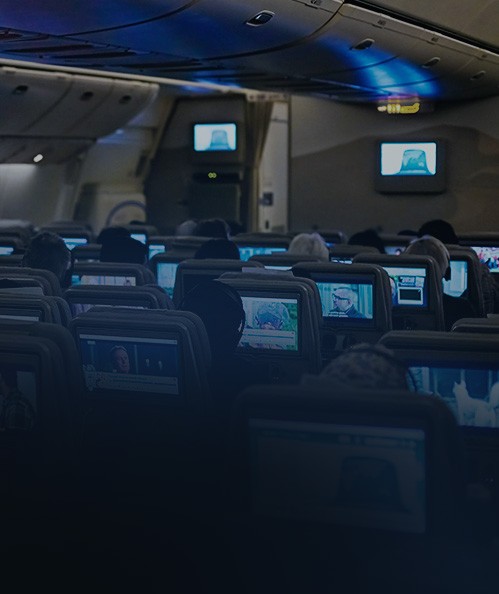
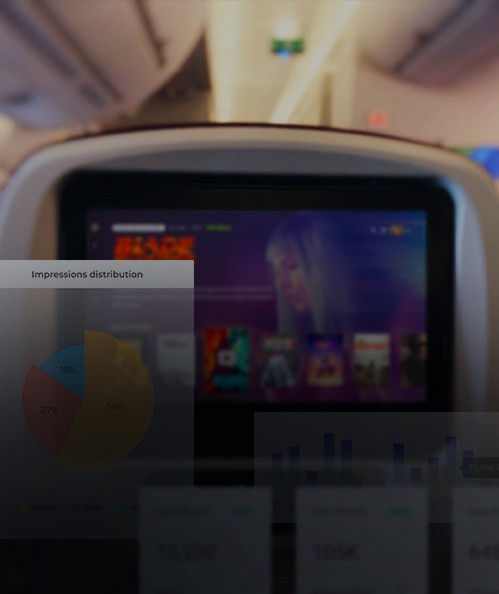
Software for embedded seatback displays and onboard media servers. Custom connectors, APIs, and middleware cover embedded environments end to end, with content management designed for fleets that have intermittent ground connectivity.
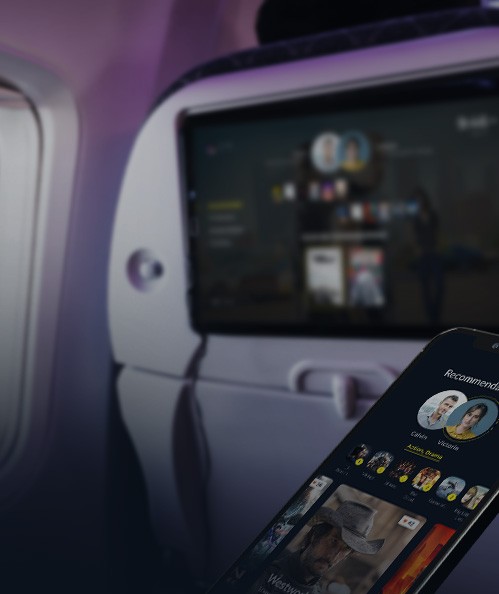
Passenger-device streaming through custom OTT and second-screen apps. This track suits narrowbody fleets, regional carriers, and in-flight entertainment private jet deployments where seatback hardware isn’t practical.
Aging seatback systems lose passengers long before they fail. Software-side modernization gives them a current interface, updated content delivery, DRM, and better performance without a full hardware replacement cycle.
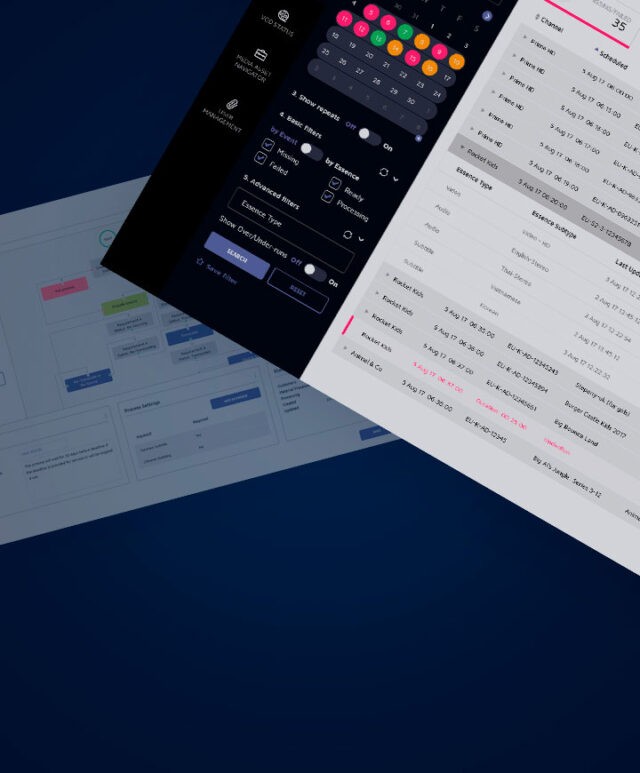
Ground-side tooling that keeps onboard libraries current. Large fleet operators need reliable workflows for content scheduling, metadata, and synchronized updates across aircrafts with variable turnaround windows.
Onboard streaming runs in a constrained environment: limited bandwidth, intermittent connectivity, aging hardware. Purpose-built testing catches quality issues before passengers do.

Define passenger experience goals, fleet requirements, and technical constraints. Establish project scope, priorities, and delivery roadmap.

Design the IFE ecosystem across seatback, wireless, onboard, and backend systems. Plan integrations with airline platforms and operational infrastructure.

Shape the passenger experience, content structure, and branding requirements. Define accessibility, localization, and engagement features.

Develop the platform in iterative, testable cycles. Customize functionality, interfaces, and workflows to airline requirements.

Verify performance, reliability, security, and compatibility. Support compliance and certification requirements where applicable.

Roll out the solution across the fleet and oversee implementation. Provide ongoing maintenance, updates, and operational support.
Two capability areas that go beyond the core IFE build, available independently or combined.

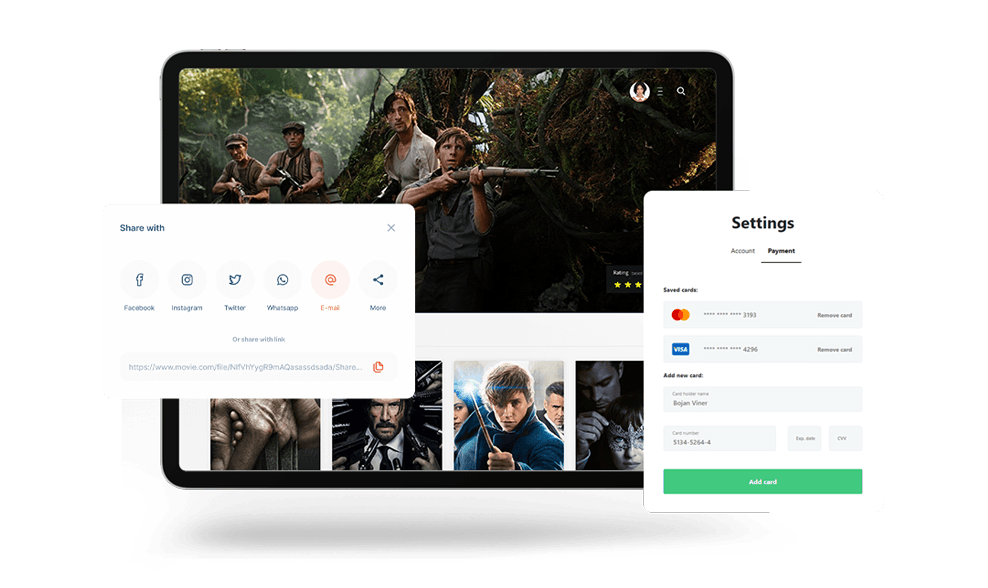

Premium content distribution onboard depends on tight security. Key components for an IFE deployment: offline DRM architecture, studio-approved DRM and compliance, onboard license management, device authentication, and encrypted local storage.
Custom IFE software integrates with seatback displays, wireless IFE platforms, onboard media servers, and cabin connectivity infrastructure. Custom connectors, APIs, and middleware cover embedded and BYOD environments, including retrofit and modernization initiatives.
Centralized content orchestration and synchronization workflows handle low-connectivity aircraft environments. This covers staged and incremental content updates, automated synchronization during aircraft turnaround windows, onboard caching, and fleet-wide content management for consistent media availability across aircraft with intermittent connectivity.
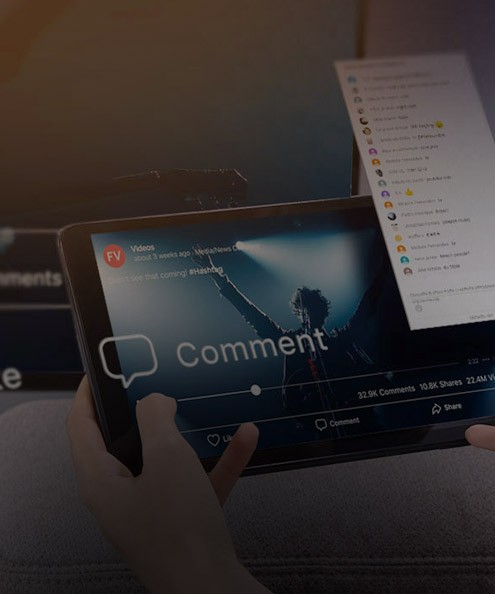
BYOD and multiscreen IFE experiences run through custom OTT applications, including mobile and second-screen solutions. Personalization features and custom integrations connect seatback hardware with personal devices, so passengers get an immersive viewing experience onboard.
Onboard software is built to meet airworthiness and safety expectations, with support for your certification teams and hardware partners on FAA and EASA requirements. Exact compliance scope is confirmed during discovery, since it depends on aircraft type, system classification, and the certification path the program follows.
Onboard software integrates with satellite and air-to-ground connectivity providers, handling intermittent bandwidth, staged content delivery, and graceful behavior when the link drops. Integration covers the connectivity layer and the content management workflows that depend on it.