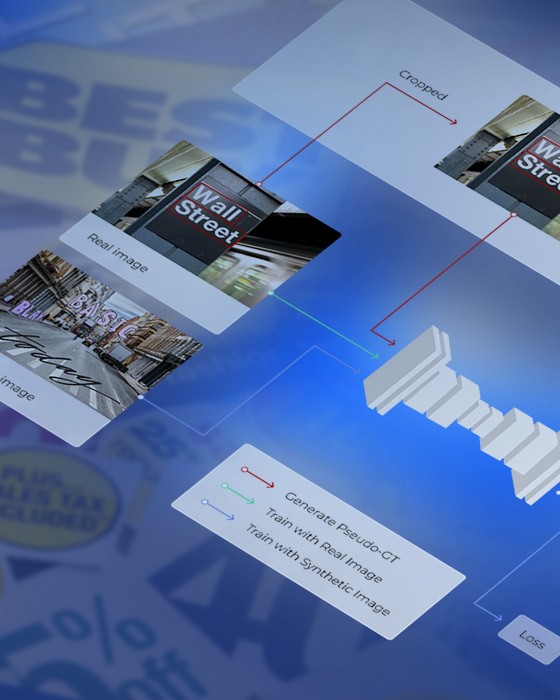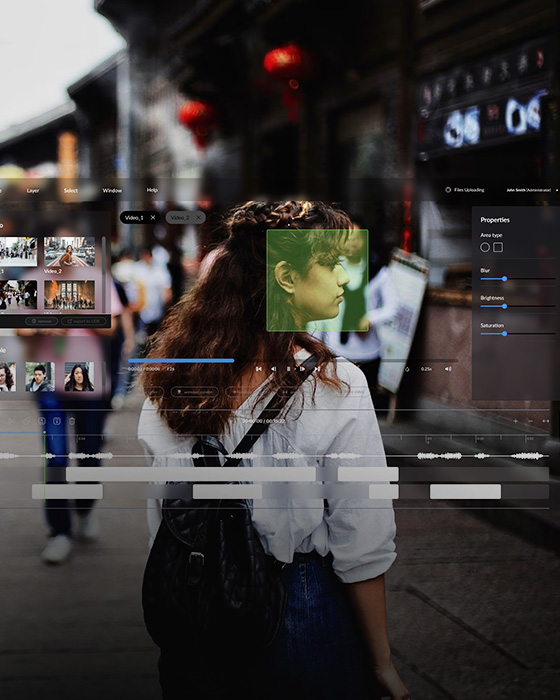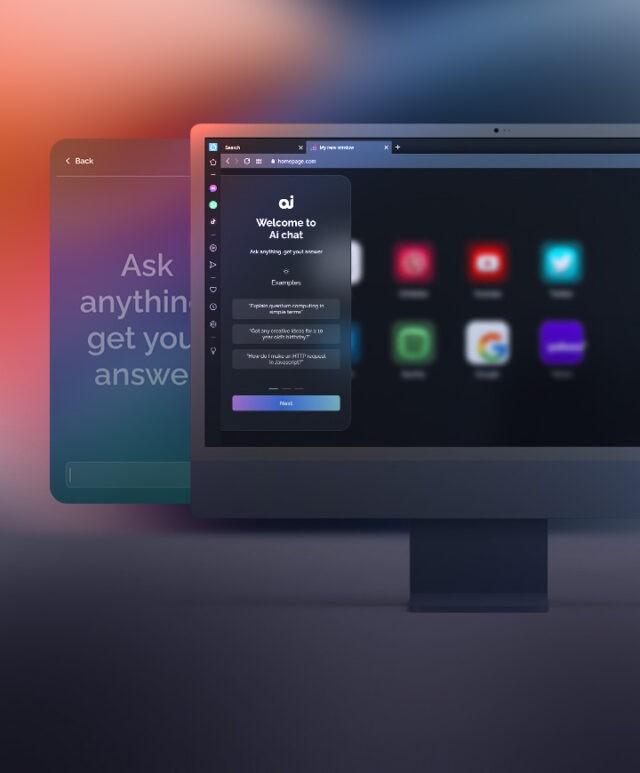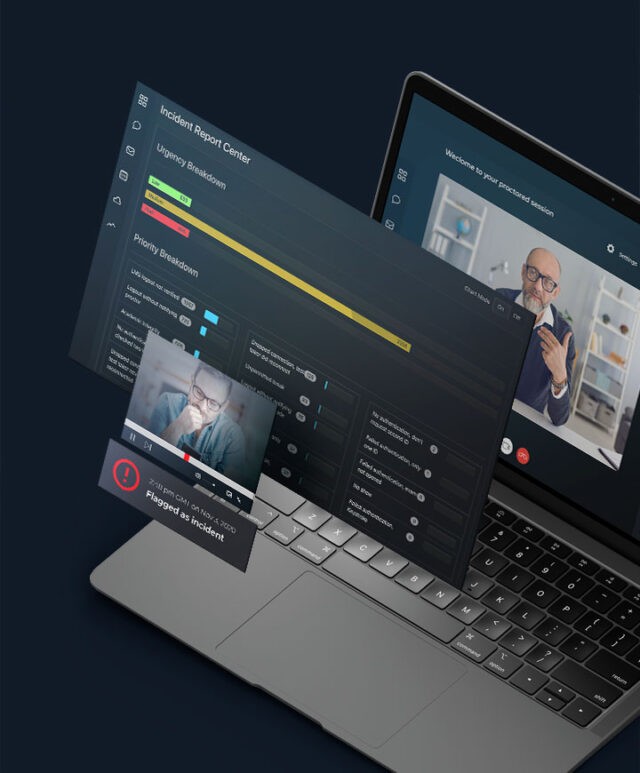




- Video, image, and object recognition
- Biometric processing and identity verification
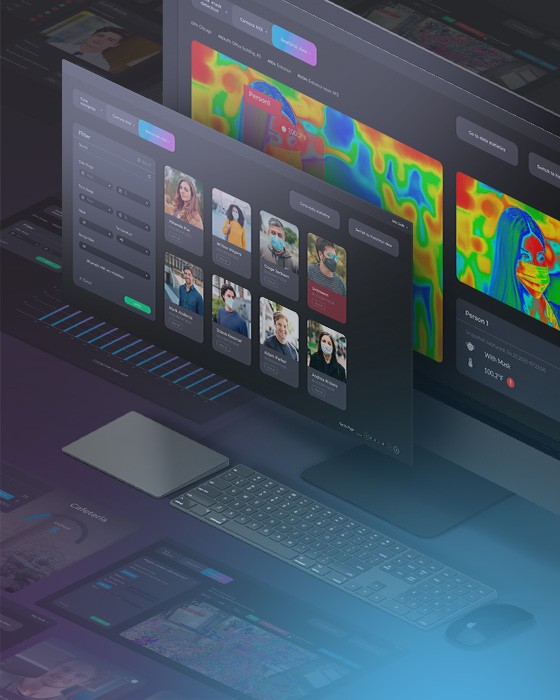
- Facial recognition and attribute detection
- Medical and industrial image analysis
- Text extraction from visual content (OCR)


Alexey Karankevich
AI Innovation Lead
15+ years
With MITx MicroMasters in Data Science, Alexey leads R&D and has taken AI solutions into production in high-stakes environments, including a health AI system entering EU clinical trials with $10M backing.
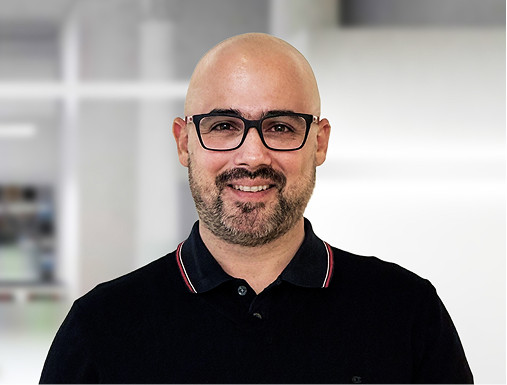
Yariv Z. Levy
AI Strategy Advisor
20+ years
PhD in AI from UMass Amherst, Master’s in Computer Science from EPFL. Yariv has shaped AI strategy for companies like Nestlé and Roche and founded his own AI consultancy.
Explore the team behind our AI initiatives
Oxagile’s machine learning consulting engagements focus on solving the real-world challenges behind production-ready AI, including messy data, weak model generalization, and prototype-to-production gaps.


Before writing a line of code, you need a clear answer: is ML the right tool here, and what is success actually like?
Bad data is where most ML projects quietly fail. We assess what you have, fix what’s broken, and structure it so training is actually meaningful.
A strategy that stops at the slide deck, or a model that gets deployed and forgotten, both fail in the same way. We cover the full arc from phased implementation through production monitoring, with clear ownership at every stage.
Getting a model to train is easy. Getting it to generalize, stay stable, and behave predictably under real conditions is the actual work.
Features break at the product layer when model uncertainty isn’t accounted for. In regulated industries, they don’t ship at all without explainability and compliance built in from the start.

Some projects require hands-on delivery, not just guidance. We can step in as an embedded ML team, scoping, building, and shipping the solution end to end.
 Analysis
 NLP
 Predictions
 Suggestions
 Frauds
ML engagements vary significantly in scope. Some start with a strategic question, others with a dataset and a deadline. Pick the path that fits where you are.


ML problems in fintech look different from ML problems in healthcare or AdTech, different data regimes, different failure costs, different regulatory surfaces.
Having worked across all of them means we recognize the class of problem faster, and don’t import assumptions blindly.

Consulting that stops at the roadmap leaves clients holding a document and a hiring problem.
The same team that scopes the solution can build it, including data pipeline design, model training, evaluation, and production deployment.

Accuracy on a held-out test set is not a shipping criterion. We build evaluation frameworks around the metrics that matter operationally.
Precision/recall tradeoffs, fairness across subgroups, latency under load, and behavior on edge cases the training set never covered.
Discovery and scoping
Define the problem space and establish whether ML is the right tool.
Detailed data assessment
Evaluate data quality, coverage gaps, and pipeline feasibility.
Architecture and approach
Select model family, serving architecture, and evaluation criteria.
Delivery and iteration
Build in stages with testable checkpoints and short feedback loops.
Production and handover
Set up monitoring, retraining triggers, and hand off with full documentation.

ML consulting is about defining the right problem, assessing feasibility, and designing the approach, like architecture decisions, data strategy, evaluation criteria, and roadmap.
ML development is the execution: building pipelines, training models, and shipping to production.
The two often overlap in practice, and at Oxagile they’re handled by the same team, which removes the translation loss that happens when advisory and delivery are separate engagements.
It depends heavily on data readiness and problem complexity. A well-scoped project with clean, labeled data can produce a working baseline in four to six weeks.
More realistic timelines for production-ready systems with measurable business impact run three to six months. The bigger variable is usually data, not modeling.
Ideally, it doesn’t start with a model, it starts with a question about whether a model is the right answer.
Expect a structured scoping phase, honest feasibility assessment, and a clear definition of what success looks like before any architecture decisions get made.
The output should be a defensible technical approach tied to a specific business problem, not a generic AI roadmap.
Look past the capability list and ask about their track record on problems similar to yours: same data type, same regulatory context, same scale.
A ML consulting firm worth working with will push back on your assumptions during scoping.
Ask how they handle projects where the initial approach doesn’t pan out, and whether the people who scope the work are the same ones who deliver it.
It starts with the problem, not the technology. We assess whether ML is the right fit, what the data situation looks like, and what success should be measured against.
From there, deep learning consulting engagements can cover strategy, roadmapping, architecture, model development, and production handover, depending on where your team needs the most support.