













This website uses cookies to help improve your user experience




What began as a niche in the early 2000s has become the dominant form of television in the U.S.1, and live streaming shows no signs of slowing down.
Younger viewers (aged 18-34) now spend far more time2 streaming than watching traditional TV. Major providers like Amazon Prime Video, Netflix, and Peacock are investing heavily in sports and live events, the last bastions of scheduled programming.
Meanwhile, FAST channels have evolved beyond “just free TV” into a behavior-shaping tool, guiding viewers through content discovery, promoting snackable formats that drive repeat engagement, and providing data that informs on-demand catalogs and advertising strategies.
What are the benefits of live streaming for modern businesses and content providers? In this article, we break down why live streaming is a high-value opportunity for custom solutions. Discover how it boosts engagement, opens new revenue streams, and enhances real-time experiences, with practical examples that showcase its strategic impact.
Live streaming is more than just a broadcasting tool — it’s a way to connect, grow, and scale. The majority of viewers note the following as reasons they keep coming back to live streams:
While VoD remains popular, certain content is best experienced live, from sports events to interactive shows.
Let’s dive into the specific benefits of live video streaming for online video platform (OVP) providers.
Brands often explore how live events can strengthen community engagement. Live streaming gives brands a direct, unfiltered way to interact with their audiences. Unlike pre-recorded content, it feels immediate and authentic. The following factors make live video one of the most powerful tools for audience engagement today:
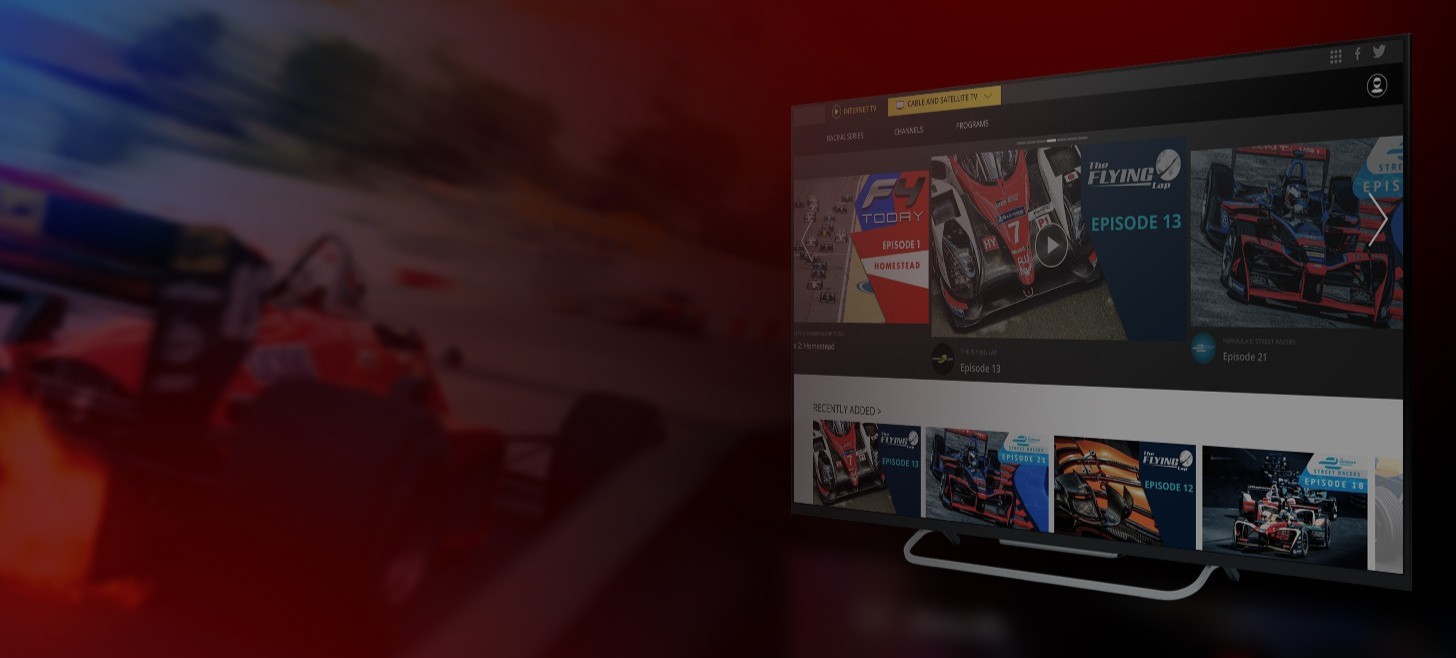
Oxagile built a fast, cross-platform SVOD solution for a motorsports network, combining live and on-demand streaming to attract new users. With TV Everywhere delivery and scalable performance, fans enjoyed seamless viewing, boosting engagement, loyalty, and reach.
Live streaming app development is becoming a valuable, cost-effective channel for advertisers and brands. In fact, U.S. digital video ad spending is expected to hit $78.5 billion this year3. Content providers can capitalize on this growth, gaining several key advantages:
Streaming monetization generally follows three main models. AVOD lets viewers watch content for free while generating revenue through ads. SVOD relies on subscriptions, giving users unlimited access for a monthly or yearly fee. TVOD works on a pay-per-view or rental basis, where viewers pay for individual movies, shows, or live events.
Delivering smooth, high-quality streams to thousands of viewers requires the right tech foundation. With robust infrastructure, businesses can ensure:

Oxagile’s experts know how to deliver immersive, high-performance experiences with real-time interaction, scalable infrastructure, and smart automation to elevate every broadcast.
The world of live streaming production is undergoing an unprecedented transformation. What was once a complex, labor-intensive process is being fundamentally redefined by AI.
Modern systems now handle tasks that were once error-prone:
Let’s explore more benefits of live streaming powered by artificial intelligence in a bit more detail.
One of the most exciting developments in AI live streaming production is the ability to generate avatars and virtual characters in real time. Content creators can now produce high-quality digital personas that react naturally to inputs, displaying realistic movements and emotions.
Virtual influencers and VTubers are prominent examples. Using AI models trained on facial landmarks and motion data, developers can generate high-resolution characters that behave dynamically, creating an authentic on-screen presence without human actors on set.
For example, in China, AI-powered virtual salespeople have been deployed to host live streaming shopping events. These digital avatars, created using AI models from companies like Baidu and DeepSeek, can interact with viewers in real time, answering questions and promoting products. One such avatar, promoting Brother printers on platforms like Taobao, helped the company achieve a 30% increase in livestream sales, with $2,500 in sales recorded within the first two hours of deployment4.
Plus, AI can automatically detect and filter inappropriate or copyrighted content in real time, ensuring streams remain safe, compliant, and suitable for all viewers. This reduces the need for manual monitoring, protecting both the platform and the audience, and enhances overall trust and reliability.
AI can track players, the ball, and game events in real time, delivering instant stats and performance insights to fans, coaches, and broadcasters. We’ve recently covered the latest sports streaming trends — take a look if you’re interested.
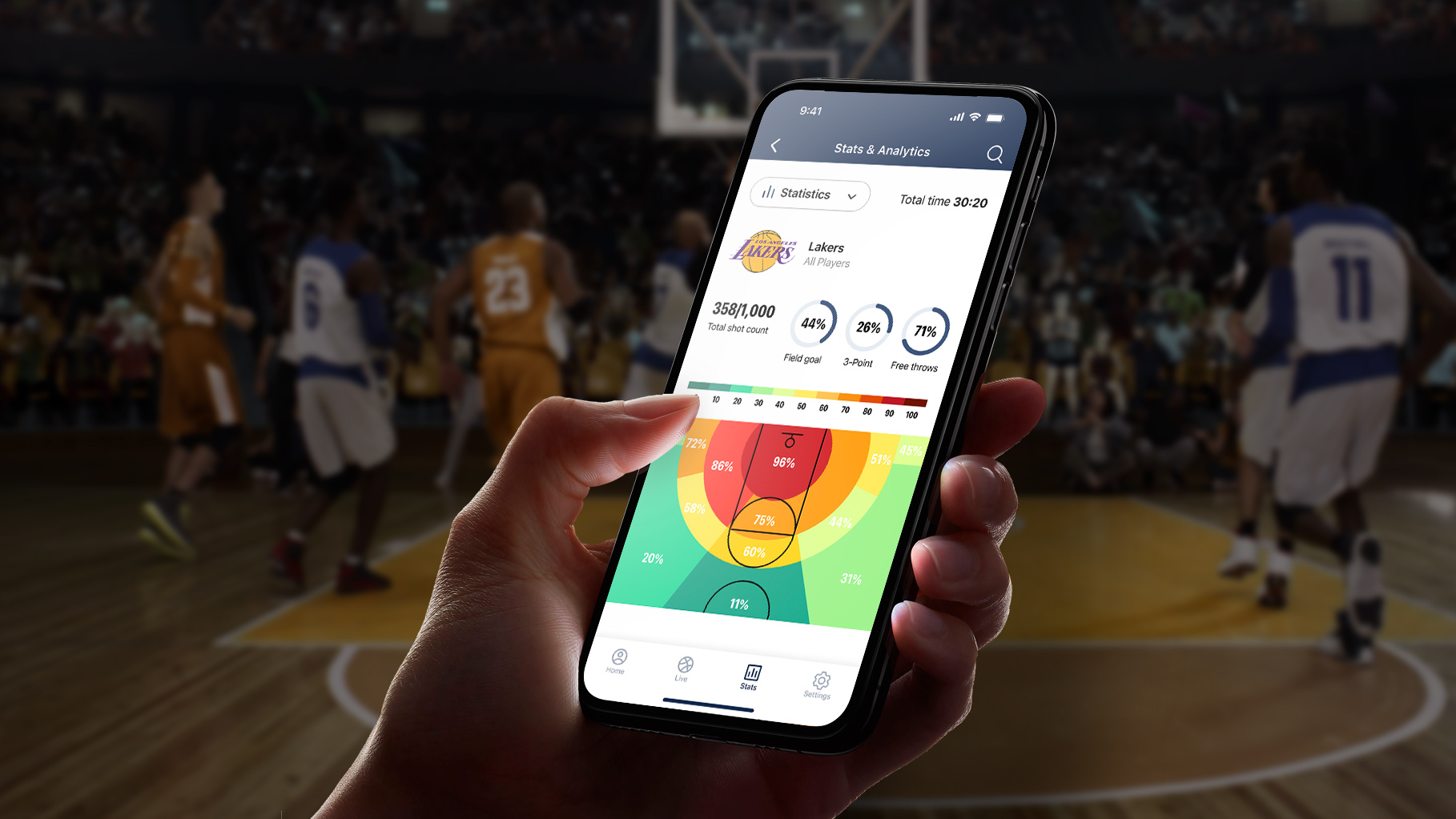
Oxagile helped a US-based sports technology company bring fans closer to the action with a mobile real-time tracking and analytics system for basketball games. By combining computer vision, AI, and live data processing, the platform transformed how viewers interact with live sports.
Key results:
Did you know that AI can now synthesize virtual backgrounds using depth-based modeling, replacing traditional green screens? These environments adapt seamlessly to user movements and lighting conditions, creating immersive experiences in real time.
Language generation tools are transforming multilingual livestreams too. AI can translate streams in real time and generate lip-synced voiceovers, enabling global reach and reducing reliance on human translators.
While Americans subscribe to an average of 2.9 streaming services each month5, nearly half canceled at least one subscription last year. Even as live streaming viewership continues to grow, the market is increasingly crowded and rising subscription costs are driving churn.
Here are a few approaches that, in our experience, help streaming platforms turn these benefits into measurable business growth:
Live streaming of premium events, especially sports, attracts highly engaged audiences. Platforms can leverage this by offering ad-supported streams, using programmatic trading to maximize revenue.
Delivering live content across multiple screens (smart TVs, mobile devices, web) allows platforms to reach a wider audience and increase potential ad impressions. This is typically done by using a robust content delivery network (CDN) and adaptive streaming technologies, which ensures smooth playback and consistent quality across all devices.
Securing exclusive live rights for events (sports tournaments, Olympic Games, NFL games) can drive subscription growth (SVOD) or increase viewer loyalty. For example, the NFL’s “Thursday Night Football” is licensed to Amazon Prime, boosting digital audience engagement and driving new subscriptions.
The benefits of live streaming go far beyond broadcasting in real time. Brands can turn events into memorable experiences, with fans engaging live, data guiding decisions, and AI handling technical details.
Engagement grows, loyalty strengthens, and new revenue streams open. With smart, scalable live streaming solutions, businesses can create moments that truly matter.
The result? You can harness live events, interactive features, and AI-driven tools to deliver content that keeps viewers coming back.
Thinking about adding interactive features or building a standout platform? Talk to Oxagile — we’ll help you create a live streaming experience viewers will keep coming back to.
1. Streaming has grown from a niche in the early 2000s to the leading way Americans watch TV today — Nielsen
2. Ages 18–34 now favor streaming over TV, boosting live sports and events investment — Nielsen, Upfronts/NewFronts 2024
3. U.S. digital video ad spending is set to reach $78.5 billion in 2025 — eMarketer
4. In China, AI-powered virtual avatars host livestream shopping events, interacting with viewers in real time and boosting sales by up to 30% within hours — Wired
5. Americans subscribe to an average of 2.9 streaming services monthly, but nearly half canceled at least one last year due to rising costs and market crowding — Deloitte, Variety

Live streaming boosts engagement by letting viewers interact in real time, fosters community through shared experiences, and makes content feel authentic. It also supports monetization via ads, subscriptions, or donations, increases reach across multiple devices, and drives loyalty by offering content best experienced live.
AI personalizes recommendations, optimizes video and audio quality, enhances search and navigation, and provides automatic subtitles or translations. This creates a seamless, inclusive, and engaging viewing experience, highlighting the benefits of live streaming solutions for platforms and audiences alike.
These algorithms analyze viewing behavior, preferences, and engagement patterns to suggest relevant content. They continuously learn from user interactions, ensuring personalized experiences that increase watch time and loyalty. This demonstrates the benefits of live streaming by keeping audiences engaged and returning.

