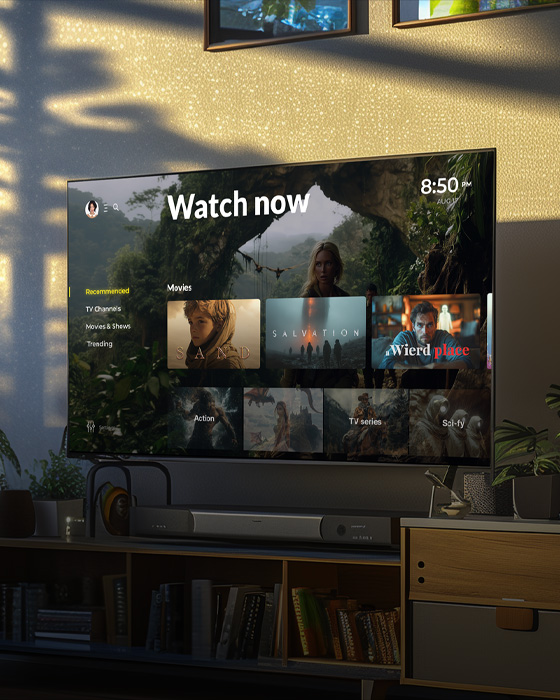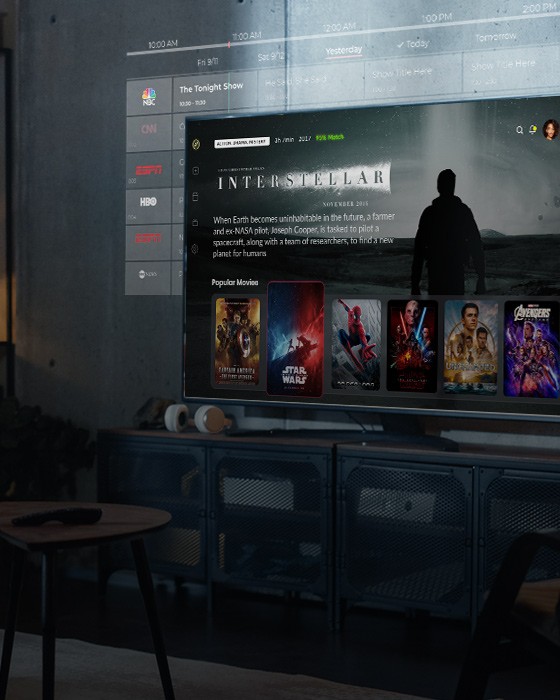




The team completely reimplemented the dynamic menu component, improving its structure, caching, and restoration logic for faster navigation.



One of the leading telecommunications and media service providers, offering broadband, interactive digital TV, and on-demand streaming.

Growing the user base through impeccable content delivery and deepening audience engagement with expanded platform capabilities. Future‑proofing the ecosystem for continued innovation.

Strengthened maintainability across five platforms and achieved near‑zero playback interruptions. New user‑focused features are currently being rolled out on a steady, safe cadence.
Although the client already had a sizable user base and a broad device footprint, it sought to elevate viewer loyalty by introducing a more polished, next‑wave streaming experience. The company’s priorities were:
The client’s ecosystem spans Android, iOS, Smart TVs, and web, each on different technology generations.
The platforms, built by another vendor, were passed over undocumented, with code that differed from live.
Some parts of the solution were built using PureQML and other less common technologies.
 Redesign
 The team completely reimplemented the dynamic menu component, improving its structure, caching, and restoration logic for faster navigation.
 UX/UI
UX/UI The team redesigned and implemented updated UX/UI across the majority of screens, delivering a more consistent, modern, and intuitive experience for users across devices.
 Content
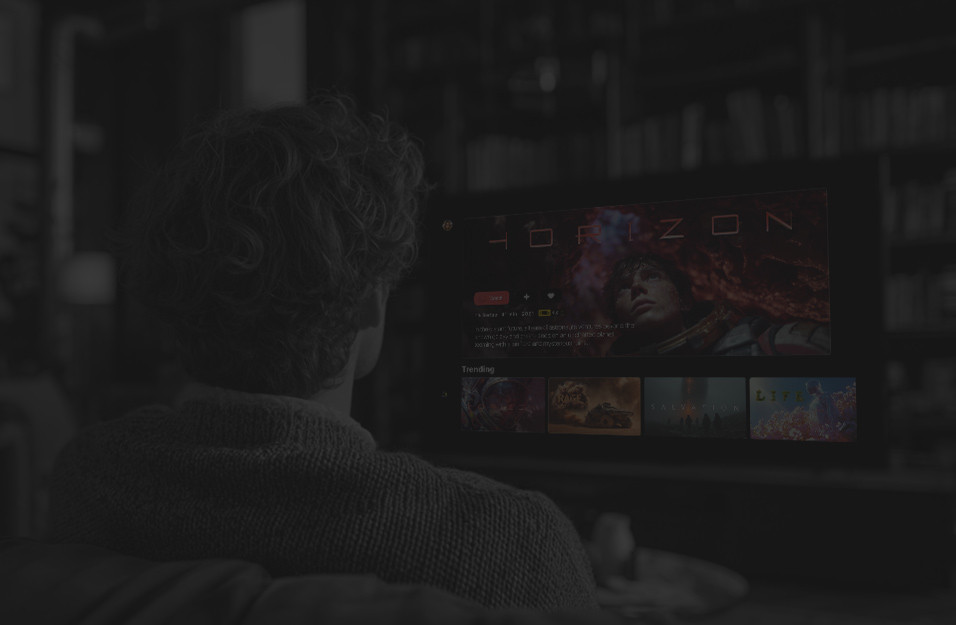
 New flexible tagging lets managers organize, manage, and display any content dynamically, as well as create tailored data sets for specific needs.
 Auto Login
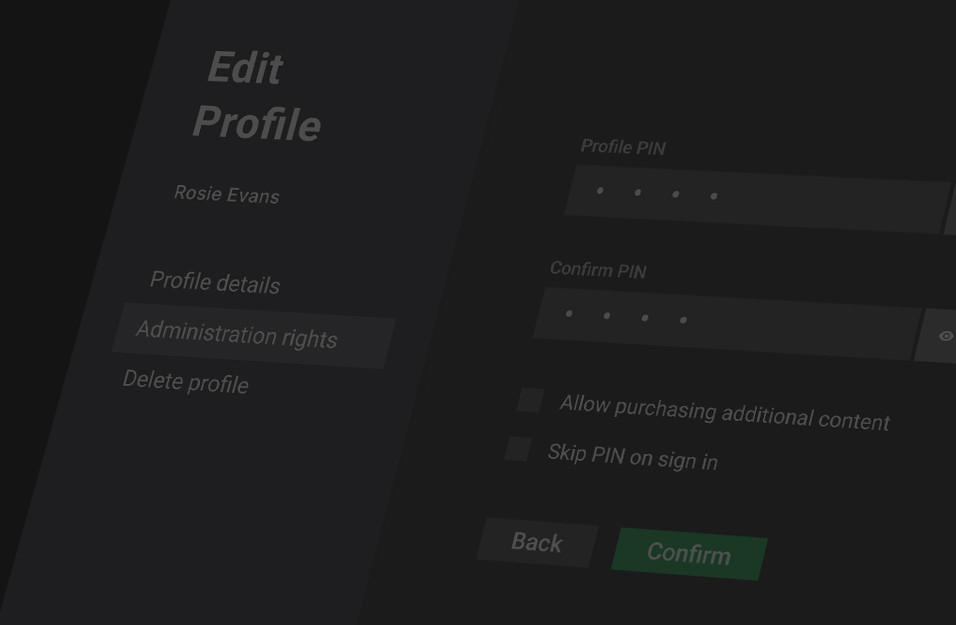
 A new automatic login mechanism was added for Android STB devices, simplifying the user experience and reducing entry friction.
 Subscription
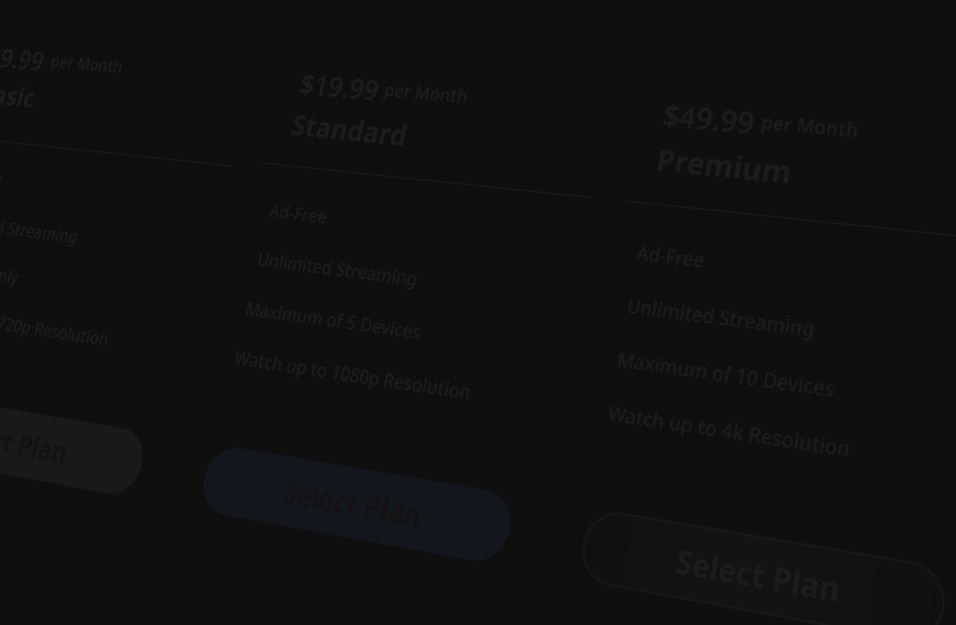
 Added flexible subscribe/unsubscribe filters and refined user flow to make content subscription management more intuitive.
 Cross device
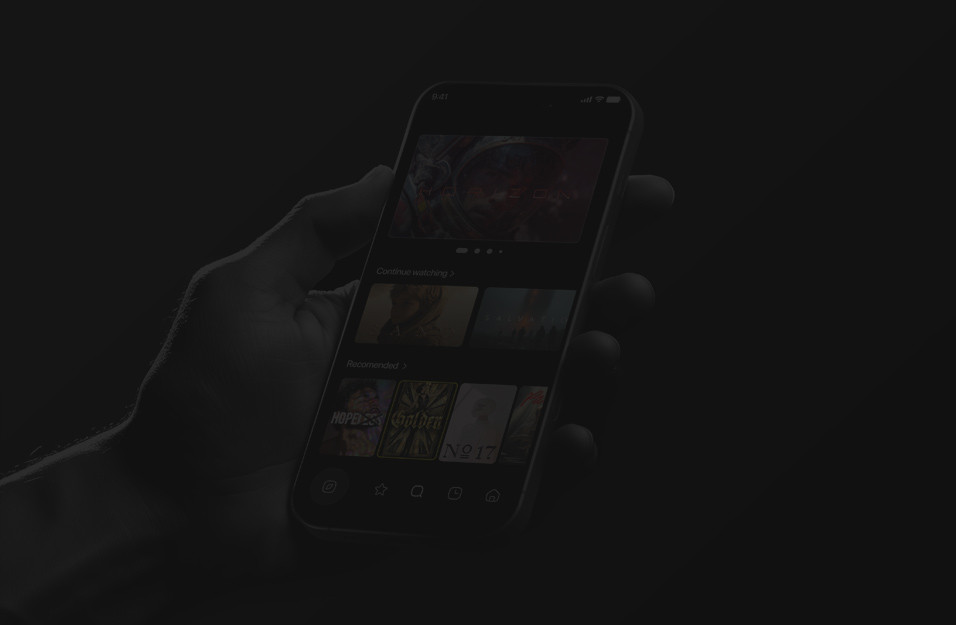
 Features originally developed for Android applications were adapted for Smart TV clients for consistent functionality on all platforms.
With the client focused on giving viewers more reasons to return and more value each time they did, Oxagile introduced features that make scheduled content easier to discover, follow, and access.
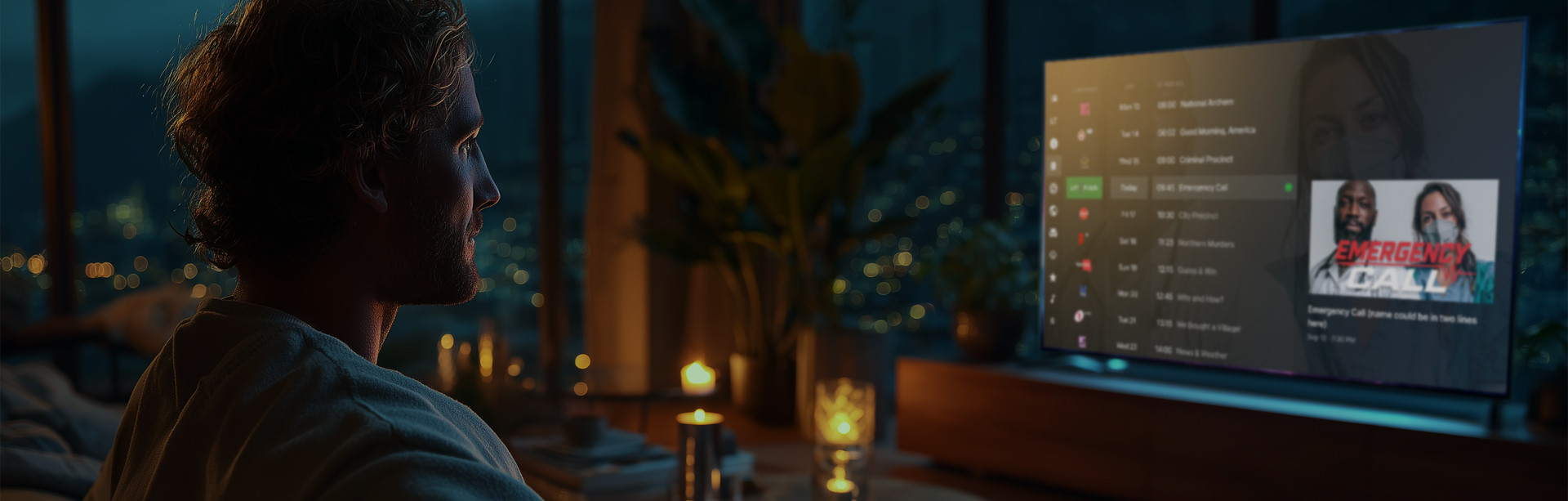
Dedicated EPG details page
Gives users richer information about upcoming programs and events, including descriptions, schedules, and related content. This makes it easier to explore and plan viewing in advance.
Program reminders
Users can now set notifications for programs they don’t want to miss and manage all scheduled reminders in one place. Cross-platform support will soon extend the feature across devices.
Future events collection
Upcoming events can now be grouped into dedicated collections, making scheduled content easier to organize and discover, which was actively used during the FIFA World Cup 2026.
Subscription based filtering
Users can filter content by its status, including purchased, free, and paid titles. Flexible indicators also show ownership or availability as a percentage, giving viewers a clearer picture of what they can access.
We help media providers modernize, scale, and stay ahead without breaking what already works.
To make our collaboration more structured and transparent, in addition to addressing the client’s requests, Oxagile’s team introduced a series of gradual process improvements that follow our proven project management practices.
This supports full transparency and facilitates better tracking of progress, planned releases, as well as real-time discussions on proposed improvements. Oxagile also provided Git synchronization, allowing the client to view the entire codebase, push changes, and freely download the repository when needed.
This environment provides a safe space for testing and experimenting with new features before release. It gives both teams the opportunity to validate changes, explore implementation options, and check stability and quality ahead of production deployment.
By doing so, the team achieved a balanced workflow that supported steady delivery and continuous maintenance. Build and deployment pipelines were standardized, and smoke tests along with TestRail coverage were gradually introduced to keep every release consistent and reliable.
This helped surface and address any issues early on. Minor vulnerabilities were resolved proactively, maintaining system integrity and stable operation, reducing the likelihood of disruptive and costly remediation later.
With the platform’s core reinforced, Oxagile and the client are now advancing it on multiple fronts in parallel.