












This website uses cookies to help improve your user experience




Live streaming has a reputation for being “solved”. Hit Go Live, push video to viewers, collect views, move on.
That assumption usually holds until live video is expected to do actual business work.
A sports rights holder wants real-time stats, polls, and sponsor overlays that change by region. An event brand wants a stream that feels like part of its product, not a generic player embedded in a template. A media team wants to convert short spikes of attention into subscriptions, commerce, and first-party data, without losing half the audience to buffering or awkward sign-up flows.
At that point, the discussion shifts from video quality to control, focusing on what can be changed, what can be measured, what can be monetized, and how quickly the experience can evolve without disrupting everything else.
Live streaming is turning into a product layer rather than a distribution tool. Interactivity needs to feel native, not added later. AI features need to operate during the stream rather than after it ends. Monetization has to adjust to different audiences without fragmenting the experience. Platforms built for fast deployment struggle with this shift because flexibility was never their core goal.
That’s why many teams now face a different decision: not which platform to choose, but how much control they are willing to give up.
What follows looks at the move from cable-style models to streaming built as a product, the trends pushing that change forward, and why this matters for those funding development, as live video is increasingly becoming a source of advantage rather than an add-on.
Live video used to be treated as distribution. Content was scheduled, delivered to everyone at the same time, monetized mainly through advertising, and measured by reach. Cable TV refined this approach for decades, and early streaming platforms largely carried it over. Channels became apps, schedules moved online, but the underlying logic stayed the same.
That logic works only while live streaming is viewed as exposure.
Once live video is expected to drive revenue, retention, and differentiation, the focus shifts. Reliability and video quality remain essential, but they stop being the main value. What matters is everything built around the stream.
Now, success in live streaming is not about whether the stream works. It’s defined by what happens during and around it. Do viewers interact or disengage? Does the experience adapt across devices and audiences? Can monetization evolve without redesigning the platform? Can teams understand what actually drives engagement, not just how many people tuned in?
This distinction becomes practical when comparing live stream TV vs cable TV. Cable delivers one uniform experience to all viewers. Streaming has the technical ability to deliver different experiences on top of the same live feed, but only if the platform is designed as a product rather than a broadcast pipeline.
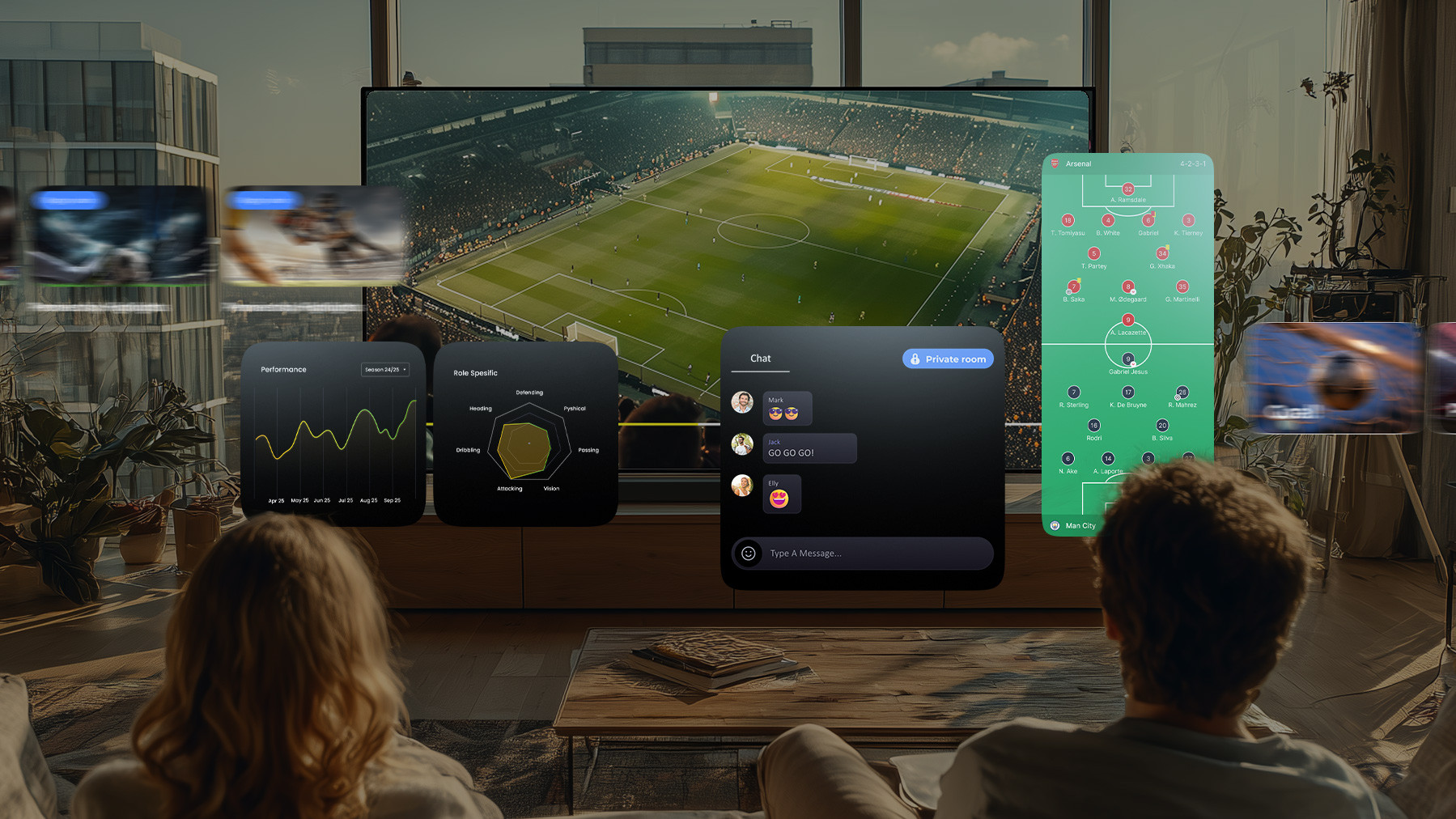
Sports highlight this shift more clearly than most formats. The future of live sports streaming depends less on who owns the rights and more on how those rights are turned into an experience. Fans expect live stats, polls, highlights, social layers, and second-screen features to feel native to the stream. When these elements are missing or disconnected, even flawless video starts to feel outdated.
This gap between expectations and tooling is pushing many businesses to rethink how they approach such streaming. Ready-made platforms are effective when the goal is simply to get a stream online, but they become restrictive once live video is expected to support branding, experimentation, flexible monetization, and long-term product growth.
These pressures are shaping how modern live streaming platforms are designed and used.
The role of interactivity in live streaming has changed fundamentally. What once felt like an enhancement has become a requirement for holding attention in environments where viewers constantly compete with parallel content on the same screen.
Live streams that behave like traditional television still function, but they struggle to keep viewers engaged for long. When the experience does not respond to the viewer in any meaningful way, attention drifts naturally to messages, social feeds, or secondary screens, even when the content itself is valuable.
This change did not start inside the streaming industry. It followed broader digital habits. People are used to shaping what they see, reacting in real time, and receiving immediate feedback across platforms, and they bring those expectations into live video without consciously thinking about it.
When a stream does not acknowledge the viewer’s presence, it feels static, regardless of production quality.
Sports make the change especially visible. Fans track live statistics, react to key moments, compare opinions, and revisit plays while the action is still unfolding. The stream becomes a shared environment rather than a one-way feed, which is why engagement sits at the center of the future of live sports streaming, alongside access to the broadcast itself.
Most ready-made platforms still handle interactivity as a separate layer placed next to the video:
This approach works only while interaction remains superficial. Once engagement needs to align with business goals, generic tools stop supporting real growth.
Interactivity also changes how live content is monetized. When engagement is part of the experience rather than a side channel, advertising, sponsorships, and upsells can be tied to real moments instead of fixed placements.
Interactive sponsor overlays, contextual calls to action, premium features unlocked through participation, and commerce tied to live events all rely on the same foundation: the ability to react to what is happening on screen and how viewers behave. Ready-made platforms rarely allow this level of control, which is why businesses that depend on live revenue eventually outgrow interaction models designed only for engagement, not monetization.
When interactivity is built directly into the product logic, it can follow the action, adapt to context, behave differently across devices, and connect to analytics and revenue models.
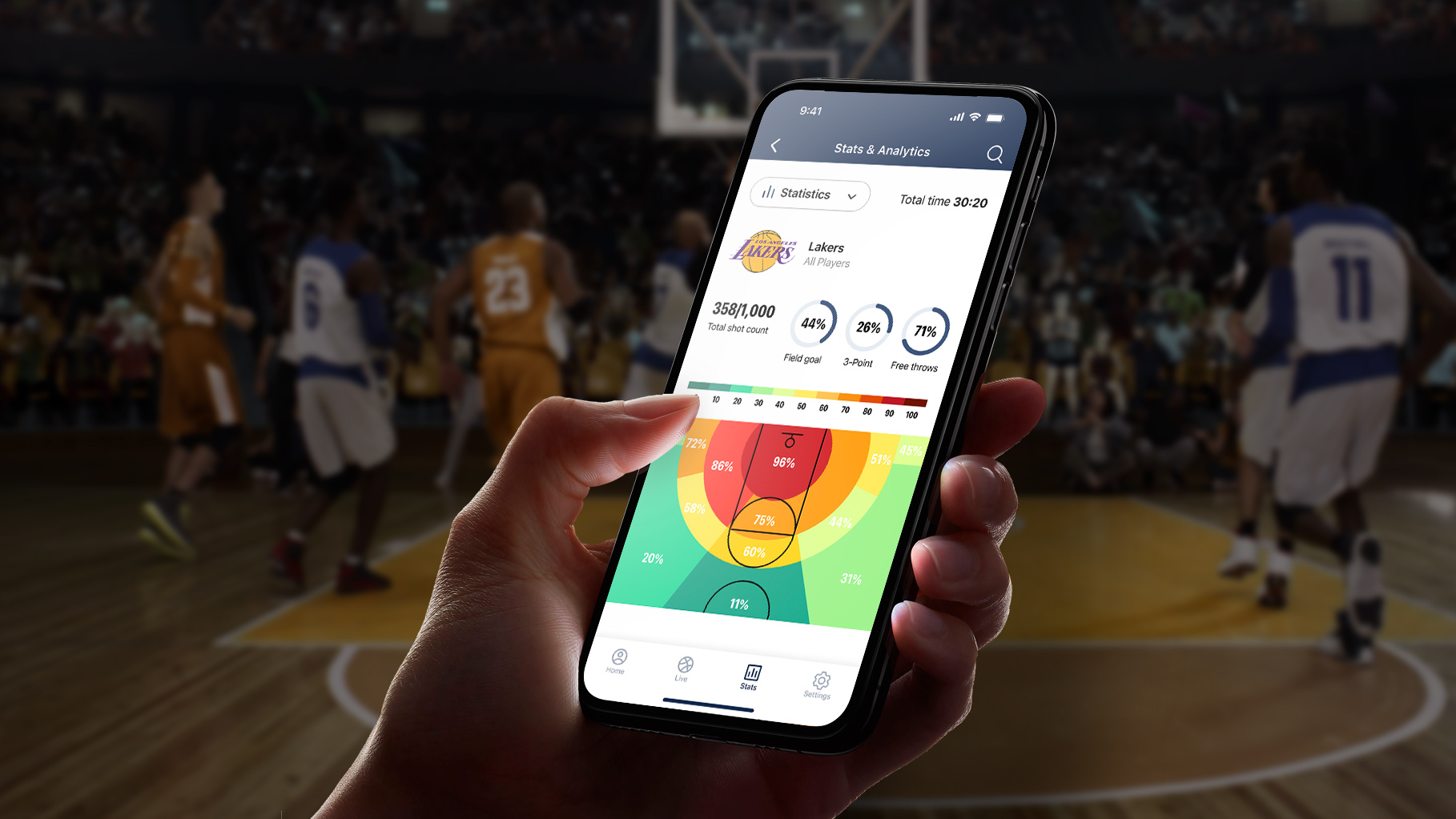
In this project, interactivity was built directly into the live basketball broadcast rather than added as a separate layer. Real-time action data, game statistics, and contextual insights appeared in sync with what was happening on the court, allowing fans to follow the game more closely and stay engaged between key moments.
Instead of relying on generic chat or reaction widgets, the experience evolved with the match itself. Engagement grew naturally out of the live action, turning the stream into an interactive environment rather than a passive feed.
Most streaming platforms already use AI in some form, but it is often positioned after the stream rather than inside it. Reports, summaries, and dashboards help teams understand what happened, yet they do little to influence what happens while the viewer is still present.
That delay directly affects retention.
Viewers rarely leave during peak moments. They leave in the pauses between them, when nothing adapts, and the experience stops reacting. Traditional analytics describe these patterns clearly, but they do not prevent them.
As competition increases, the future of live streaming video pushes intelligence closer to the live moment itself. What matters is not insight alone, but timing.
Platforms are expected to support:
When platforms cannot react at this pace, engagement flattens regardless of traffic volume.
Standard solutions struggle here because their AI capabilities are fixed and generalized. They are designed to work acceptably across many products, leaving little room for differentiation.
Businesses, however, do not compete on averages. They compete on how precisely their product reacts to context, timing, and audience behavior.
There is also an operational side to this shift that often gets overlooked. As live catalogs grow and audiences expect faster reactions, manual workflows stop scaling. Teams cannot tag moments, moderate interactions, or curate highlights at the speed live environments demand.
Real-time AI reduces this operational pressure by automating parts of the live workflow, allowing smaller teams to run more streams, publish more content, and react faster without increasing headcount. In practice, this makes AI not just a retention tool, but a way to sustain growth without turning live streaming into an operational bottleneck.
When intelligence becomes part of the live pipeline, AI shifts from reporting to influence. Systems can detect moments as they happen, generate clips in real time, adjust what different viewers see, and support personalization while the stream is still live.
This is why AI increasingly defines retention, not because it produces better insights, but because it allows platforms to act on those insights immediately.
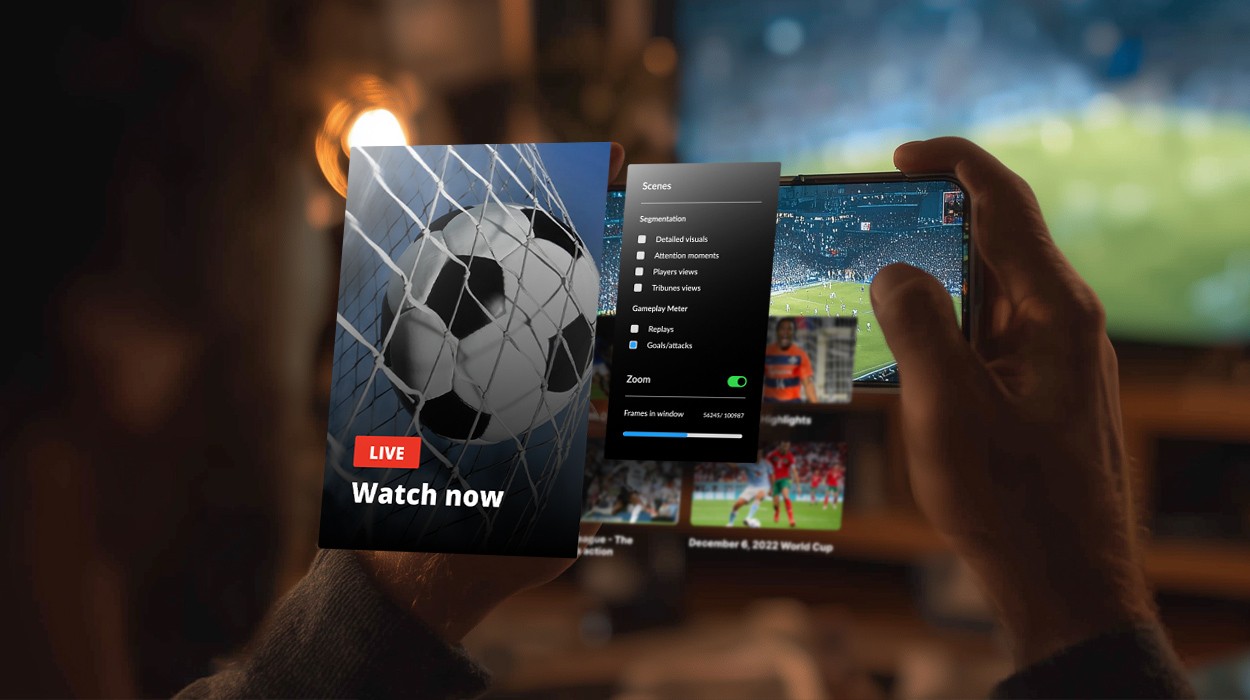
Instead of waiting for the final whistle, this platform turned live soccer into a stream that constantly refreshed itself. AI identified key moments as they unfolded and generated highlight clips in real time, keeping viewers engaged even when the pace on the field slowed.
By surfacing the most watchable moments instantly, the system used AI as part of the live experience rather than a post-match reporting tool, directly supporting retention while the match was still on.
The challenge with AR and VR is not audience interest, but platform readiness. Most streaming services are optimized to deliver video efficiently, not to manage layered experiences that depend on synchronization, context, and control.
As a result, immersive features are often introduced as experiments rather than as part of the core product.
For businesses, the same issues repeat:
What should differentiate the experience ends up disconnected from the platform itself.
When immersive elements are integrated into the platform rather than attached to it, they behave differently. Overlays can react to live events and user behavior. Immersive modes can coexist with traditional viewing instead of replacing it. Experiences can be measured, refined, and tied to business outcomes over time.
In the future of live streaming, AR and VR are less about replacing screens and more about extending what a live experience can deliver.
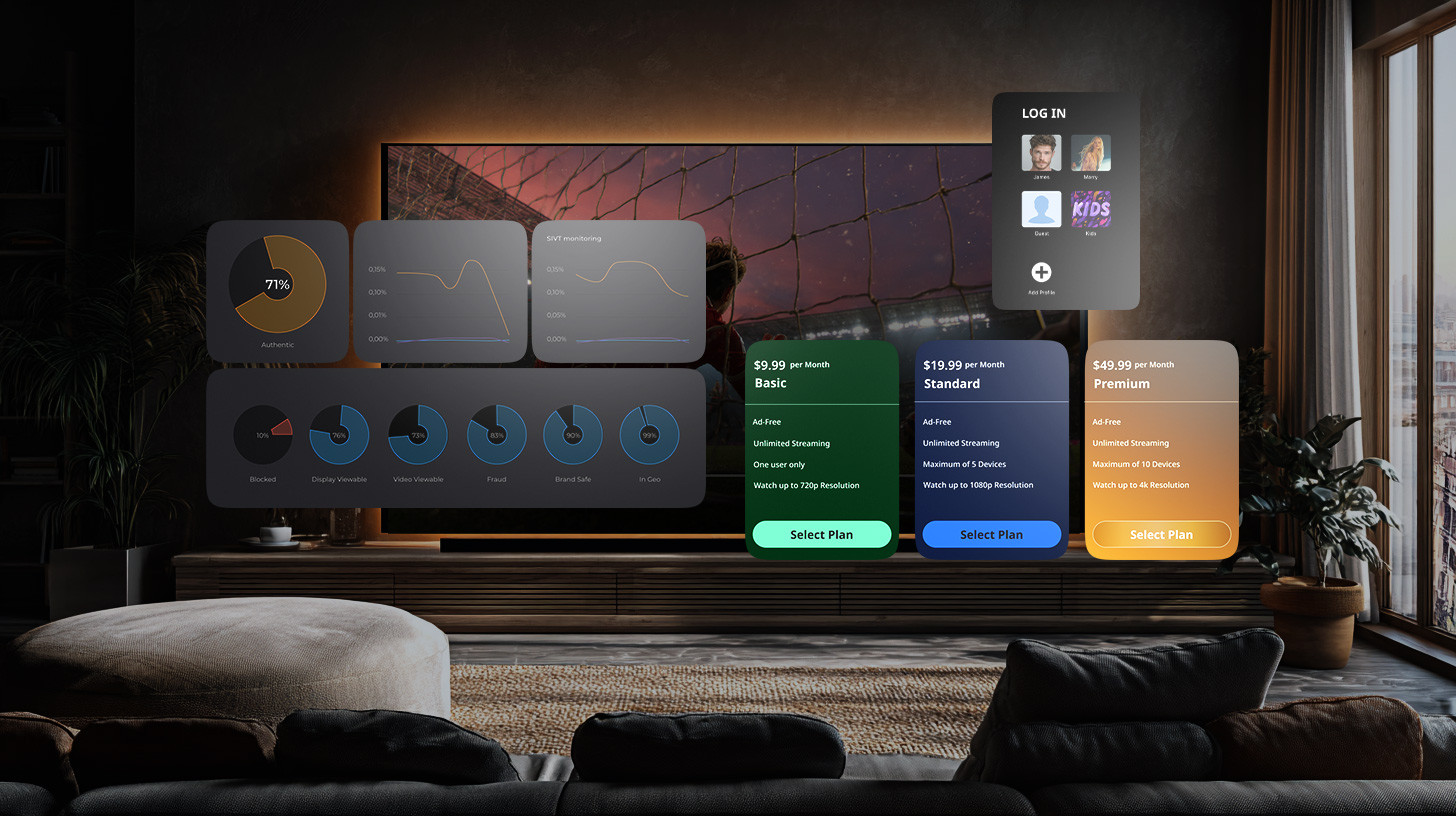
As live streaming matures, many businesses reach the same conclusion: scale alone does not guarantee sustainable growth.
Instead of chasing the widest possible audience, more teams are building platforms for clearly defined groups:
These audiences are smaller, but they engage more deeply and monetize more consistently when the experience is designed around their behavior.
Standard solutions are optimized for average scenarios. They usually assume a single dominant business model, rely on broad analytics that flatten user behavior, and ship with feature sets designed to work reasonably well across many use cases rather than exceptionally well for a specific one.
Niche audiences are rarely average. They expect depth, relevance, and monetization structures that reflect how they actually consume live content.
Custom development allows platforms to be shaped around a specific audience. Monetization models can be combined and adjusted, analytics can focus on meaningful signals, and UX decisions can reflect real usage rather than assumptions.
This shift underlines a broader pattern in the future of live streaming: growth increasingly comes from building experiences that the right audience does not want to leave.
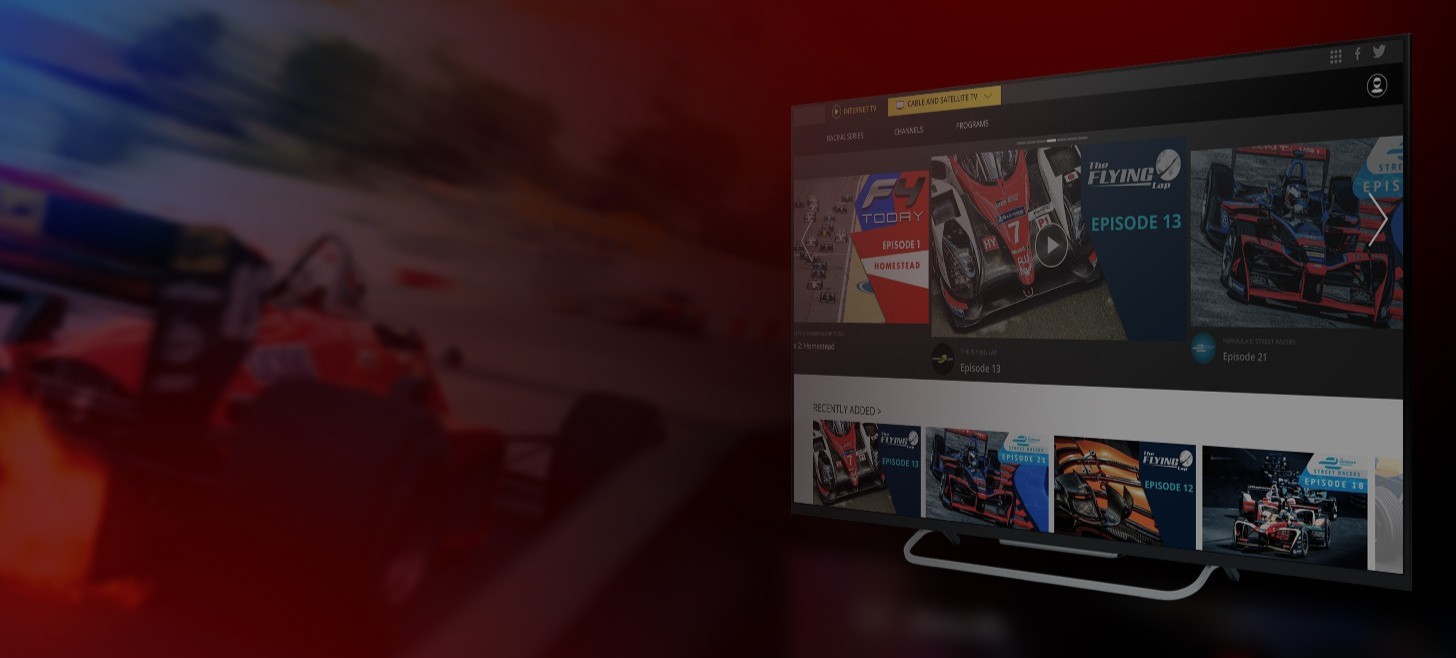
This platform combined live streaming and VoD in a single product, structured around races, seasons, and competitions rather than a generic OTT catalog. Subscription access and content navigation were designed to match how motorsport fans return between events.
By avoiding standard OTT templates, the media group retained control over monetization rules and product evolution, making it easier to adapt the platform as viewing patterns changed.
Ready-made streaming platforms are built to launch quickly, not to grow with a business. Over time, their limits become visible: limited analytics that can’t be connected to real revenue data, white-label interfaces that feel interchangeable across platforms, and inflexible architectures that make scaling or experimenting slow and expensive.
Custom development removes those constraints. It allows teams to connect live streaming with analytics and CRM systems, design a distinct experience across devices, and evolve the platform as audience behavior and monetization strategies change. New formats, engagement mechanics, and revenue models can be tested without waiting for someone else’s roadmap.
That’s why the future of live streaming isn’t defined by boxed solutions, but by flexible platforms built around real business needs and the freedom to monetize content in smarter ways.

Live streaming no longer works as a one-size-fits-all solution. If your business depends on engagement, monetization, and long-term growth, the platform behind the video needs to be designed with flexibility in mind (we’ve just recently built the one with a well-structured, scalable architecture).
Custom live streaming solutions make it possible to adapt experiences, test new revenue models, and evolve without being limited by someone else’s roadmap.

The future of live streaming lies in treating live video as a product rather than a delivery channel. Instead of focusing only on video quality and reliability, platforms are evolving to support interactivity, personalization, real-time intelligence, and flexible monetization. Businesses that succeed with live streaming are the ones that can adapt the experience to different audiences, measure engagement deeply, and evolve features without rebuilding the platform each time expectations change.
The future of live sports streaming is driven by engagement, not just access to broadcast rights. Sports fans expect live statistics, interactive features, highlights, social layers, and second-screen experiences to feel native to the stream. Platforms that treat sports streaming as an interactive product, rather than a passive feed, are better positioned to retain audiences and unlock new monetization models tied to fan participation.
The future of live stream TV vs cable TV is defined by flexibility and personalization. Cable TV delivers a single, uniform experience to all viewers, while live streaming platforms can adapt the experience based on device, audience segment, and context. As expectations rise, streaming gains an advantage by allowing different monetization models, interactive features, and data-driven experiences on top of the same live feed.
The future of live streaming video focuses on what happens around the video, not just the stream itself. Successful platforms combine live playback with real-time interactivity, AI-driven responsiveness, and experiences that work seamlessly across devices. Live streaming video is becoming part of broader digital products where engagement, retention, and monetization are shaped during the live moment, not analyzed only after it ends.

