













This website uses cookies to help improve your user experience




For sports and live events, viewers expect top-quality broadcasts and are often willing to pay for extras. The market agrees. Valued at 811.37 billion USD in 2025 and expected to reach 2,660.88 billion USD by 20321, the video streaming industry shows no signs of slowing down.
Platforms can boost revenue not just from content, but also from features like interactive stats, multiple angles, or personalized highlights — just as top services do. We’ll explore how to make live streaming monetization work to its fullest: maximizing revenue and building a streaming experience where engagement and profit go hand in hand.
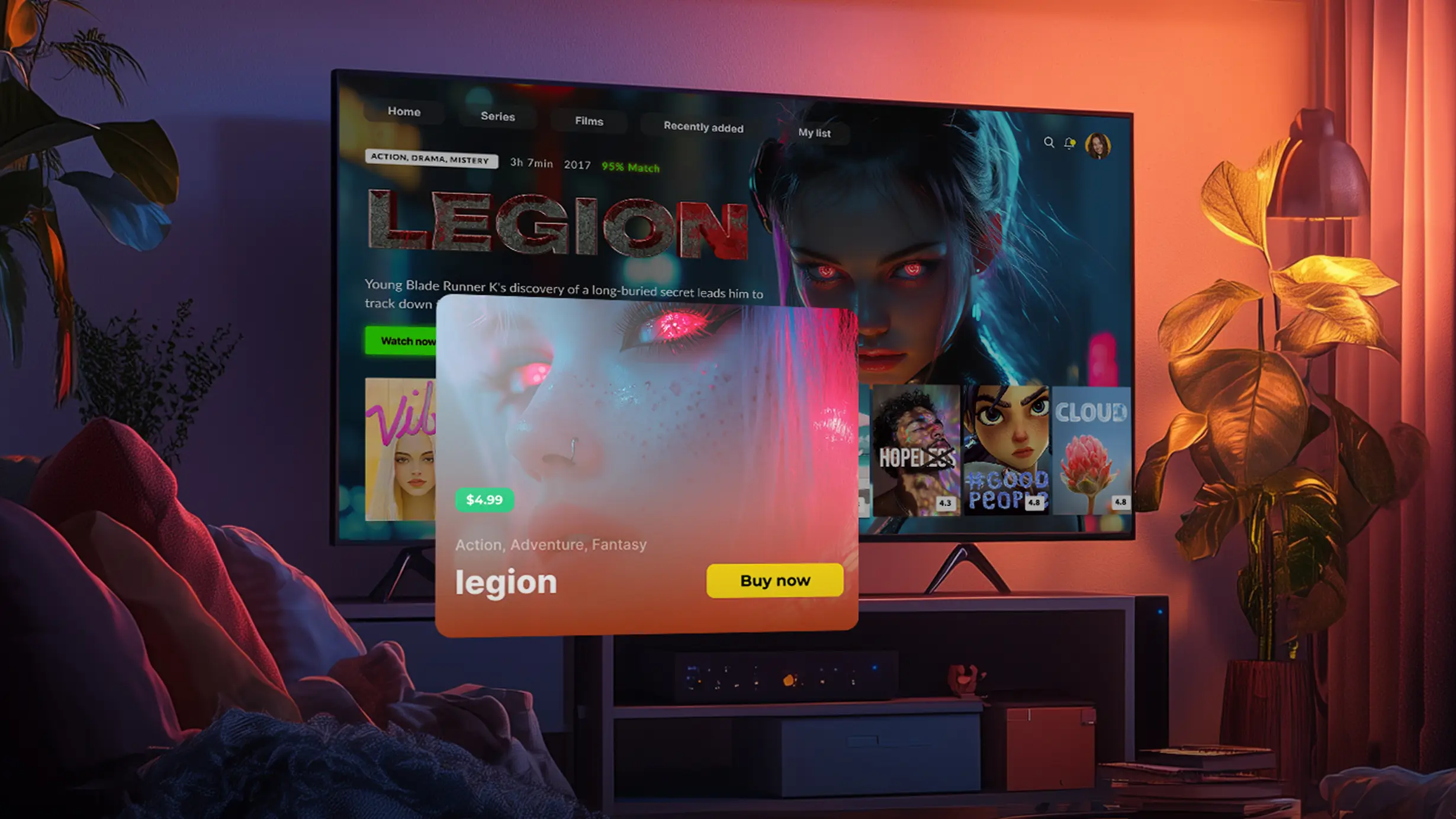
Many platforms combine live and on-demand (VoD) content, offering both real-time broadcasts and rewatchable experiences, each with distinct value propositions. To make the most of this mix, broadcasters need to think beyond content delivery and focus on how each format contributes to revenue growth.
A clear live stream monetization strategy helps turn viewership into reliable income. Here are several proven models and a few unconventional approaches.
This is one of the most popular monetization methods that allows viewers to access content for free while the platform earns revenue from ads. During live streams, these can appear as pre-roll, mid-roll, or dynamically inserted ads. This approach is ideal for reaching wider audiences while keeping entry barriers low.
Also known as transactional video on demand, this model lets users pay a one-time fee to access a single live event — whether it’s a concert, sports match, exclusive webinar, or something else. It’s an effective option to monetize live sports streaming for high-value broadcasts that offer unique, time-limited experiences.
Subscription live or on-demand models charge users a recurring fee for unlimited access to premium or ad-free content. Services like Netflix and Disney+ have proven the power of subscriptions in driving predictable income. But for live streaming, strong DRM and content variety are key to retaining subscribers.

Discover the effective strategies used by industry leaders to monetize video content.
A rapidly growing model that offers linear, scheduled live channels at no cost to viewers, with revenue generated entirely through ads. What started with traditional broadcasters is now a popular way to stream, with The Roku Channel, Pluto TV, and Tubi among the main alternatives to cable TV. Platforms built for Roku TV audiences are also capitalizing on this trend, bringing FAST content directly to millions of living rooms.
Beyond subscriptions, some platforms allow for offering exclusive perks such as early access, bonus content, or members-only chats. This helps build community loyalty and provides new ways to monetize streaming platform engagement effectively.
This mirrors the IKEA effect in behavioral economics, where people value what they help build. In live streaming, that sense of personal investment translates into stronger loyalty, higher retention, and a community that feels truly connected to the content.
Live streamers and publishers can earn commissions through affiliate marketing, for instance, by promoting products during a stream and sharing purchase links. Every completed sale generates income. The key to success here is consistent traffic and authentic recommendations.
Many successful platforms mix multiple strategies. For instance, they offer free ad-supported content for reach, subscriptions for loyal viewers, and pay-per-view for premium events. This flexibility allows pricing to reflect content value and audience preferences.
As such, sports and entertainment platforms regularly report double-digit revenue lifts after introducing hybrid ad and subscription models. These gains are driven by innovative technologies that enhance live sports streaming and elevate viewer experiences.
AdTech can be complex. Our team is here to help you tailor monetization strategies, unlock new opportunities, and make the most of every viewer interaction.
Revenue often takes a backseat when the focus is on features and design. But considering monetization from the start saves both time and resources. Although live streaming platforms come in all shapes and sizes, certain decisions can set the stage for sustainable revenue growth.
Relying on a single revenue stream can limit growth. So, consider hybrid monetization. It combines subscriptions, pay-per-view, or in-stream ads and allows platforms to optimize revenue for different user segments. For example, you can:

A motorsport media network wanted to turn its growing fan base into a sustainable revenue stream. Partnering with Oxagile, the team built a multi-platform OTT solution with SVOD monetization and smooth live and on-demand delivery.
Make sure subscriptions, ads, pay-per-view, or virtual currency align. Choose scalable architectures, cloud services, and integration-ready tools that support ad tech, personalization, payment connections, and security features. Doing so ensures monetization is built in from the start, not bolted on later.
Also, plan for dependencies, latency, and regulations from the beginning. It’s the best way to keep things running smoothly and avoid delays, security problems, and integration issues as you grow.
Growing and retaining a high-quality audience is the foundation of any monetization strategy. This means not just attracting viewers, but building a pipeline of engaged users who are likely to pay for subscriptions, pay-per-view events, or in-app purchases.
Treat analytics as a core component, not an add-on, so marketing teams and monetization managers can track engagement and optimize revenue. Data-driven insights are critical for that. Beyond creator-level analytics, mind platform-wide metrics to understand trends, optimize monetization, and reduce churn:
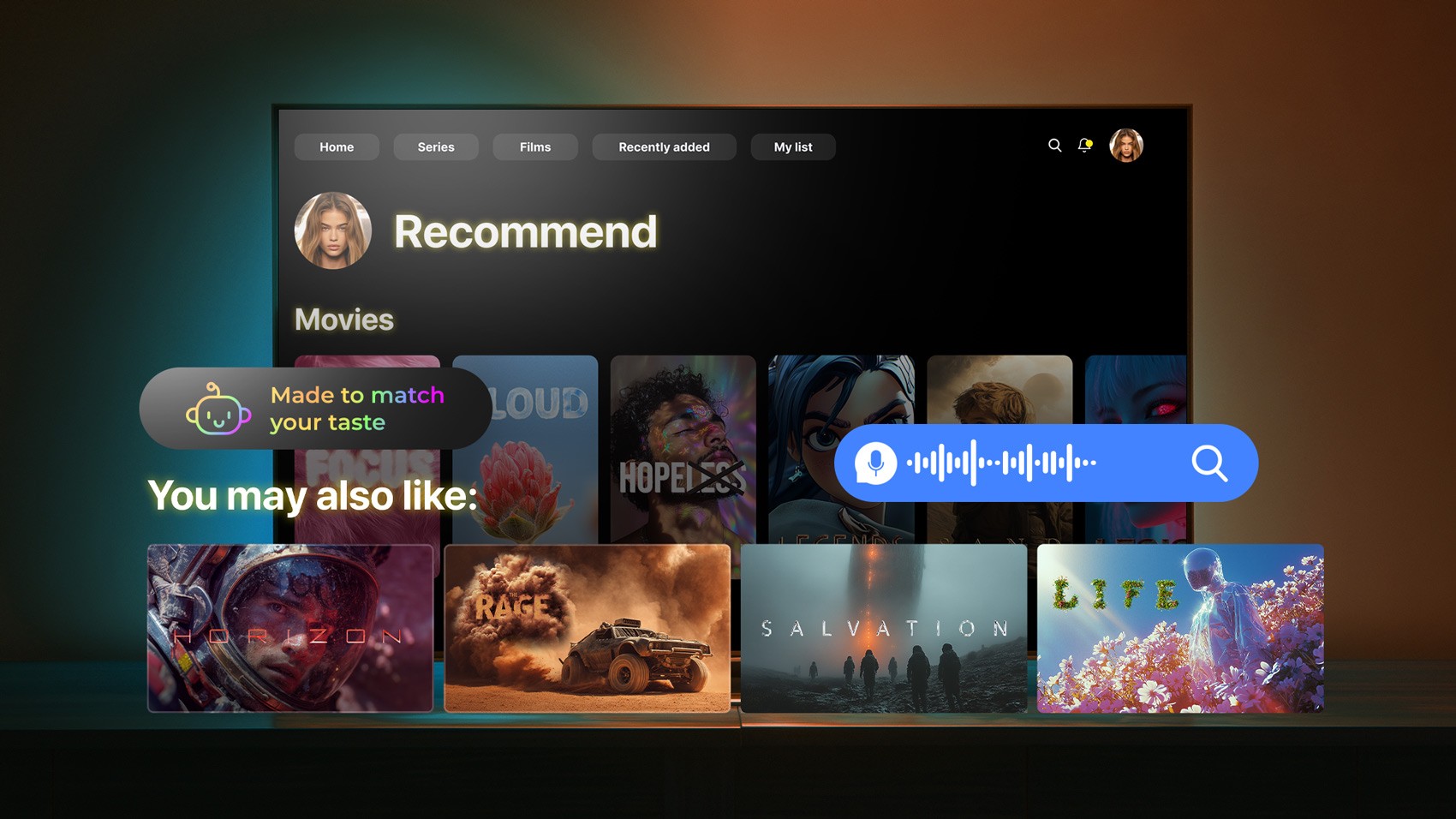
Oxagile helped a leading media client build a platform that simplifies ad inventory management and maximizes video revenue. With advanced audience targeting and actionable analytics dashboards, publishers and advertisers can make smarter, data-driven decisions.
Even experienced creators can stumble if monetization isn’t well planned early in the development cycle. Here are some common challenges in live streaming monetization, along with practical tips to help you avoid them:
Monetizing live streaming means making every interaction count.
The key is to combine multiple revenue streams while keeping your community engaged. Use real-time delivery, personalized targeting, and interactive features to create an experience viewers truly value.
To find the right monetization mix, focus on what resonates with your audience. Identify the features that keep them coming back, and use data to make smarter, seamless decisions.
The key to monetization? Evolve with your audience, refine with data, and keep them hooked.
Oxagile’s team can help you implement the right monetization strategies and optimize every interaction for higher engagement and returns.
1. Streaming is set to grow from USD 811B in 2025 to USD 2,660B by 2032 — Fortune Business Insights

Monetize streaming platforms to turn viewer engagement into predictable revenue. Smart monetization strategies, including ads, subscriptions, and pay-per-view events, help platforms capture attention, increase retention, and unlock long-term business value.
Live stream monetization is the process of generating revenue from live broadcasts. Platforms use ad-supported streams, subscriptions, pay-per-view, or hybrid models to engage audiences while converting viewership into measurable income.
Monetize live sports streaming through targeted ads, exclusive subscriptions, pay-per-view events, and interactive features. Combining multiple revenue streams and personalizing content keeps fans engaged while maximizing earnings.
Pitfalls include forced ads, generic subscriptions, low-quality digital products, and disconnected merchandise. Avoid them by providing value, context, and relevant offers to maintain engagement and revenue growth.
Platforms leverage analytics and AI to track viewer behavior, optimize ad placement, personalize content, and improve retention. Data-driven insights turn each stream into a monetization opportunity while enhancing the user experience.

