













This website uses cookies to help improve your user experience




Video has become a primary interface for communication, training, and product experience. Many teams adopt video quickly, then run into delivery issues, scaling limits, and inconsistent playback across devices. These problems rarely come from content quality. They usually come from online video sharing behind the scenes.
Engineering leaders often assume video delivery is a solved problem. Then a live event crashes under load or playback fails on half the devices in the field. That moment usually triggers a deeper look into online video platforms, or OVPs in short.
This article explains what an OVP is, how it works, and how to evaluate one with a structured approach. The goal is simple: help you avoid building a streaming stack from scratch at 2 a.m.
Key takeaways:
An online video platform is a system that manages the full lifecycle of video delivery. It covers ingestion, processing, storage, playback, analytics, and monetization.
From an architectural perspective, the OVP meaning includes complex streaming infrastructure behind APIs and managed services. Teams use OVPs to avoid building encoding pipelines, storage systems, and global delivery networks independently. That decision reduces operational risk and shortens time to market.
At a functional level, an OVP allows teams to:
Market data shows that this layer is no longer optional. 73% of consumers1 use video streaming services, and many actively switch between platforms based on price, content, and experience.
Simultaneously, streaming continues to outpace traditional media. McKinsey & Company highlights sustained double-digit growth2 in streaming segments. This growth is driven by increasing demand for on-demand content, wider access across connected devices, and platform improvements such as recommendation algorithms, adaptive streaming quality, faster content delivery via CDNs, and more advanced monetization models like hybrid subscription and ad-supported tiers.
An OVP follows a structured pipeline. Each stage performs a specific function, and failures at any stage affect playback quality and user retention.

These stages operate continuously and at scale, often handling thousands or millions of concurrent sessions. Small inefficiencies compound quickly under load, which is why platform design decisions impact performance directly.
This impact becomes visible in real metrics. Playback issues reduce session duration, affect conversions, and increase churn. When delivery works as expected, teams can focus on improving content and user experience instead of troubleshooting infrastructure.

A custom OVP gives you control over performance, integrations, and user experience. The next step is designing it right from the start.
What would you choose: a platform that works well in a demo environment, or one that stays stable when traffic spikes and real users depend on it?
Selecting an online video platform more about how the system behaves under pressure. In practice, most issues appear only after deployment, when scale, user expectations, and integration complexity start interacting. The factors below come from real failure scenarios observed in production systems, where performance, cost, and delivery reliability directly impact outcomes.
Video quality is the first constraint because it directly determines whether users stay or leave. Online video trends state clearly that even small delays in startup time or frequent buffering can reduce engagement significantly, especially on mobile networks. Thus, playback performance defines the baseline experience before any product or content decisions matter.
What to evaluate:
These are not theoretical checks. They should be tested with real devices, realistic network throttling, and production-like traffic. This is one of the areas where hands-on validation often reveals more than vendor comparisons.
Video traffic behaves differently from most application workloads, since demand often concentrates on specific events or releases. These spikes can increase concurrent users rapidly, which makes scalability a primary design concern.
Additionally, market growth projections indicate increasing demand for streaming infrastructure. PwC states that OTT app revenues alone are projected to grow to 230 billion USD by 2029, driven by ad-supported streaming and rising global consumption3. This raises the bar for scalability expectations across platforms.
What to evaluate:
It is important to note that scalability should be validated under peak conditions, not average usage. A platform that performs well during normal traffic but fails under load introduces operational risk.
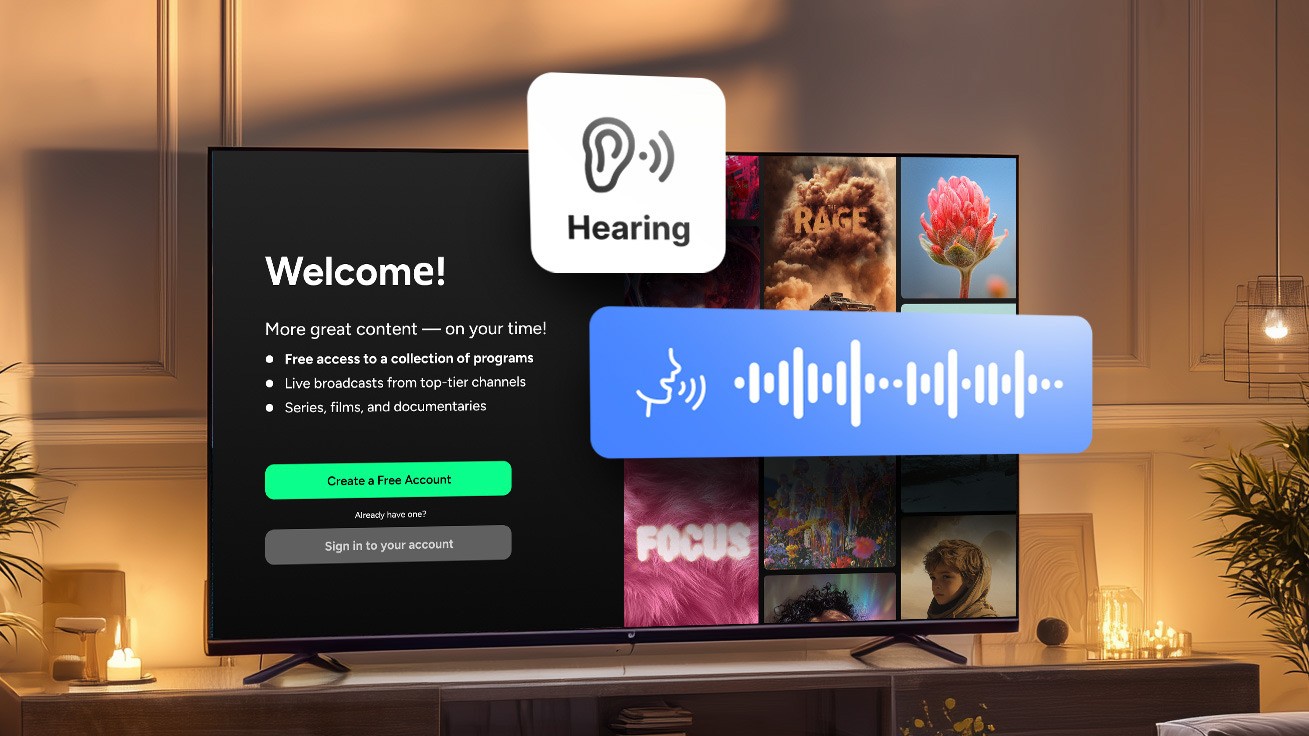
A real example of scalability in practice is a multi-tenant OVP built to handle high concurrency across multiple clients and use cases. The platform supports large-scale video delivery, dynamic user loads, and consistent performance during peak traffic, all within a single shared infrastructure.
This type of architecture shows how proper design decisions around scaling, isolation, and resource management translate into stable video delivery under pressure.
Monetization options define how video generates revenue, which makes them a core architectural concern. Different business models introduce specific technical requirements around billing, access control, and user flows, so these decisions need to be made early.
What to evaluate:
These features should be validated as part of the overall system design, not treated as optional add-ons. A platform that supports multiple monetization models within one system allows teams to adjust pricing, experiment with packaging, and respond to changing user behavior without rebuilding core components.
Security becomes a core requirement once video content carries business or intellectual property value. Unauthorized access or redistribution can lead to direct revenue loss and create compliance risks. These controls are difficult to retrofit later, since they are tightly coupled with how content is delivered and accessed.
What to evaluate:
It is easy to overlook that content gets shared outside intended audiences, access controls get bypassed, and issues surface only after damage is already done. At that point, fixing the system is harder, more expensive, and often tied to real revenue or compliance impact.
Analytics provide visibility into how users interact with video content. Without reliable data, teams cannot identify performance issues or optimize engagement. This factor is included because video systems generate large volumes of behavioral data that can guide improvements.
What to evaluate:
Effective analytics systems allow teams to correlate playback performance with user behavior. This connection helps identify whether issues come from content, delivery, or user context.

An OVP should fit into a broader system architecture that includes content management, marketing tools, and identity services. Poor integration increases engineering effort and slows down development cycles. This factor shouldn’t be ignored because most production environments depend on multiple interconnected systems.
What to evaluate:
Flexible platforms reduce the need for custom middleware and simplify system evolution over time. Strong API design also allows teams to build custom workflows without depending on vendor-specific interfaces.
User experience affects both the people watching the video and the teams managing it behind the scenes. Viewers notice playback responsiveness, control behavior, and how quickly they can access content. Internal teams notice how easy it is to upload, organize, and publish videos without friction. This area matters because small usability issues compound over time and directly impact engagement and operational efficiency.
What to evaluate:
In practice, inconsistencies show up quickly. A player that behaves differently across devices or an admin interface that slows down routine tasks creates constant friction. Over time, these issues reduce productivity for internal teams and lead to lower retention on the user side.
Cost structure determines whether a platform remains viable as usage grows. Pricing models often appear simple at low scale but become complex as traffic increases. Don’t ignore this factor, since cost overruns are a common issue in video infrastructure.
What to evaluate:
Teams should model costs under realistic growth scenarios, including peak traffic conditions. A predictable pricing model allows for better planning and reduces the risk of unexpected expenses.
Technology in video platforms evolves, especially in areas such as AI and personalization. A practical example is Netflix, which uses machine learning models to analyze viewing history, watch time, and user interactions to generate personalized recommendations and even customize thumbnails.
What to evaluate:
Platforms that invest in forward-looking capabilities reduce the need for migration later.
The factors above define how an OVP performs at a system level, but selecting a platform is only part of the decision. The next step is aligning those capabilities with your business goals, audience expectations, and content strategy. In OVP video, performance and delivery choices directly shape how your strategy works in practice.
As you will have to prove the project’s value to decision-makers, you need to make a strong case for video’s ability to help achieve your organization’s goals. You can only brainstorm your way out of it. And what’s good, by doing so you might come up with a bunch of fresh ideas on how to get extra value from your videos. Some of the possible goals for your video marketing strategy may be:

Each of the goals will ultimately shape your approach to creating and delivering video to your audiences. From here, a lot of questions will pop up in your mind. And the more, the better. Remember, what we are doing here is getting you into the brainstorming mindset. Here are the questions you might ask yourself:
To support our video marketing goals…
This is just the tip of the iceberg, but hopefully you’ve grasped the idea of where your curious mind should be heading.
Don’t take it for a good old cliché wisdom, because we’re talking about knowing your audiences from the standpoint of their video and information needs. Here are some of the questions that will help you know more about your viewers:
When digging your viewer personas, you may, for example, find out that some of your audiences want to watch 8K video, and not all platforms support 8K video delivery. Or you may discover that the majority of your user-generated content is likely to come from mobile, and not all platforms support mobile upload. You may also have specific requirements for web accessibility, which also varies from platform to platform.
See how these little details are already shaping your choice?
By understanding these nuances early, you can align your OVP selection with actual consumption habits and deliver more effective video distribution across touchpoints.
To maximize the ROI on video, the OVP should be aligned with the marketing, sales, training and other workflows in your organization. You should also think carefully of the existing software that you might want to integrate your OVP with. Here are several hint questions for you:
An ideal platform should not just “play video” — it should connect with how your organization works, how your audiences interact, and how your content flows across systems.
If your OVP marketing strategy is built on performance, you’ll need solid, actionable analytics. Just counting views won’t cut it, you need to know whether your video content is actually driving outcomes.
Start with the basics:
Next, consider how analytics will integrate with your larger marketing and sales systems:
Can video performance data be funneled into your CRM or MAP for nurturing and scoring leads?
For internal content, the metrics might be different — completion rates, employee feedback, or training certification status. Make sure the platform can surface those insights clearly.
The right OVP should give you full visibility into how video is performing across your funnel and let you iterate continuously. Whether you’re doing ovOVPistribution for brand awareness or high-intent product demos, measurement is what separates assumptions from results.
What works for your current team or campaign might not hold up when you expand into new regions, channels, or lines of business. A good OVP should grow with you technically, operationally, and economically.
Ask yourself:
Scalability is all about flexibility: adapting to new goals, new users, and new ways of working without starting over every time.
Video content is a powerful asset and a potential liability if not handled properly. Especially in regulated industries, internal communications, or any use case involving user data, you’ll need strong privacy and governance controls.
Ask yourself:
Security and compliance aren’t optional anymore — they’re essential building blocks of responsible OVP video delivery, especially at scale.

Not all platforms are created equal: some are rigid and closed, while others let you build, extend, and innovate freely. The more control and flexibility you have, the better you can align the OVP to your business model.
Consider these points:
A future-ready OVP should feel like a platform, not a product. One that fits into your architecture, grows with your stack, and empowers you to build whatever’s next.
An online video platform sits at the intersection of infrastructure, user experience, and revenue generation. It defines how video is delivered, how users interact with content, and how organizations scale their digital presence.
User expectations continue to increase, especially around playback quality and personalization. Therefore, selecting the right platform should be treated as a core architectural decision.
After reviewing key questions around goals, audience, infrastructure, security, and scalability, you will have a clear picture of what your ideal OVP should look like, helping you evaluate vendor offerings with confidence, ask the right questions during demos, and avoid costly missteps down the road.
You’ve defined the requirements. Now it’s time to turn them into a reliable OVP that supports your business goals.
1. Digital Consumer Trends: Media and Entertainment — Deloitte
2. What AI Could Mean for Film and TV Production and the Industry’s Future — McKinsey & Company
3. Global Entertainment & Media Outlook: Insights and Perspectives — PwC

An online video platform is a system that manages how video content is uploaded, processed, and delivered to users. It handles everything from storage to playback.
An OVP allows you to upload and store video files, convert them for different devices and networks, deliver them efficiently to viewers, and track performance and engagement.
The main reason organizations use OVPs is to avoid building complex video infrastructure from scratch. As a result, teams can focus on content and user experience instead of backend systems.
Choosing the right OVP matters because it directly affects how your video content performs and converts. Poor platform performance leads to lost engagement and missed business outcomes.
The main reason is that video delivery impacts:
A platform with strong delivery and analytics capabilities supports better targeting and optimization, making video a reliable part of your digital marketing strategy.
Hidden costs in a white-label OVP often appear after scaling or adding advanced features. These costs are not always visible in base pricing plans.
One key factor behind these costs is usage-based pricing, which increases with audience growth. A practical approach is to model pricing under peak traffic scenarios, not average usage to avoid unexpected budget increases once your platform gains traction.
A good OVP should support multiple monetization models within a single platform. This flexibility allows you to adapt your revenue strategy over time. There are three main monetization models:
The difference between these models lies in how users access and pay for content. Many platforms combine them into hybrid approaches to maximize revenue. For example, you might offer subscriptions with optional premium pay-per-view content or introduce ads for free-tier users.
A good OVP should provide analytics that connect video performance to user behavior and business outcomes. Basic metrics alone are not enough for decision-making, so include:
The main advantage of advanced analytics is visibility into how users interact with content across the funnel. For example, identifying where viewers drop off can help improve content structure or playback performance, so that teams can optimize both user experience and marketing outcomes.
Migrating a video library to a new OVP is possible, but the complexity depends on the platform and data structure. The process involves transferring both video files and associated metadata.
Here’s how migration typically works:
One key factor is metadata consistency, including tags, categories, and access rules. A practical tip is to test migration with a smaller content set first. This helps identify compatibility issues before moving to the full library.

