










This website uses cookies to help improve your user experience
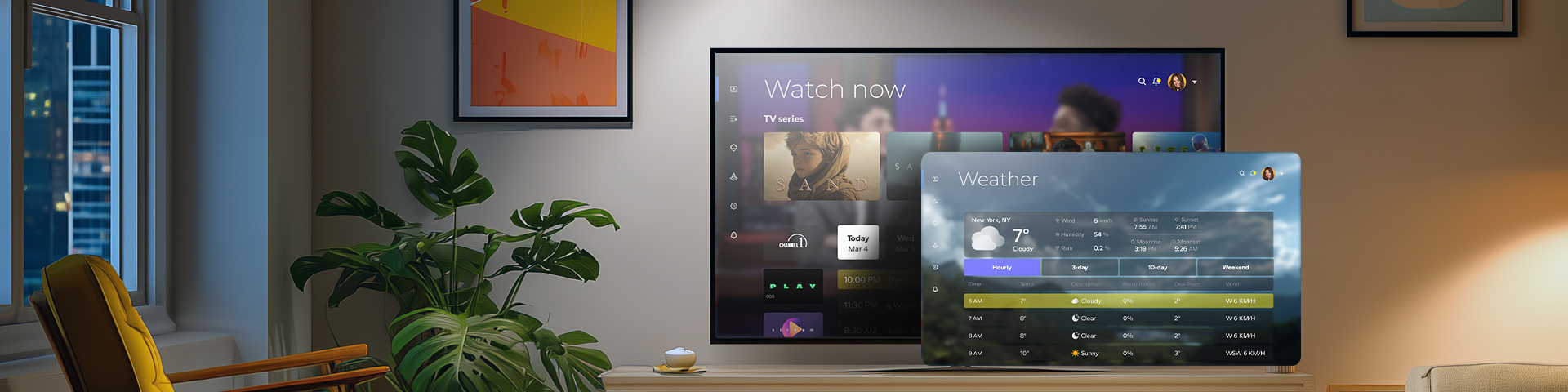

Does the broadcasting world really need a revamp and what does it take to be at the forefront of good changes? Exploring the NextGen TV basics, its complexities, potential benefits like video on demand, interactive viewing experiences, digital-like advertising, and everything in between.
For the past 30 years, the U.S. broadcast industry has relied on the outdated ATSC 1.0 (Advanced Television Standards Committee) standards to transmit signals over public airwaves. However, today’s world, brimming with the freedom and personalization offered by streaming platforms, has made using ATSC 1.0 like riding a horse to work in the age of Teslas.
And this stark contrast hasn’t been lost on viewers, particularly younger ones, who now either avoid over-the-air channels from the start or quickly transition to streaming. Advertisers have also taken notice, shifting their focus to OTT streaming platforms that offer a broader and more engaging user experience.
Sensing the pressing need for an upgrade, the Advanced Television Systems Committee decided it was time to retire their old “horse” and unveil a state-of-the-art solution — NextGen TV streaming, the hero of our story.
NextGen TV is a more business-focused name for the ATSC 3.0 broadcast standard, an upgraded set of terrestrial broadcast standards. It combines the reliability of traditional scheduled broadcasts with the superior audio and video quality of modern technology, as well as opens up exciting possibilities for interactive on-demand and live content, bridging the gap between conventional linear broadcasting and the personalized experience that OTT platforms provide.
And in case you’re wondering whatever happened to ATSC 2.0, the answer is simple — it was considered but never saw the light of day, as it was swiftly overshadowed by the more advanced ATSC 3.0, specially designed for NextGen TV.
You might be wondering, “When will NextGen TV be available?” The answer: it’s already here.
Since 2023, numerous prominent U.S. cities have witnessed the rollout of new ATSC 3.0 stations from networks such as Fox, NBC, and Telemundo, significantly boosting local market coverage. For example, Miami, Florida, emerged as a prime NextGen TV market, offering 11 channels to its 1.7 million TV households. Today, NextGen TV broadcasts are available in over 70 markets, reaching 75% of U.S. television households1.
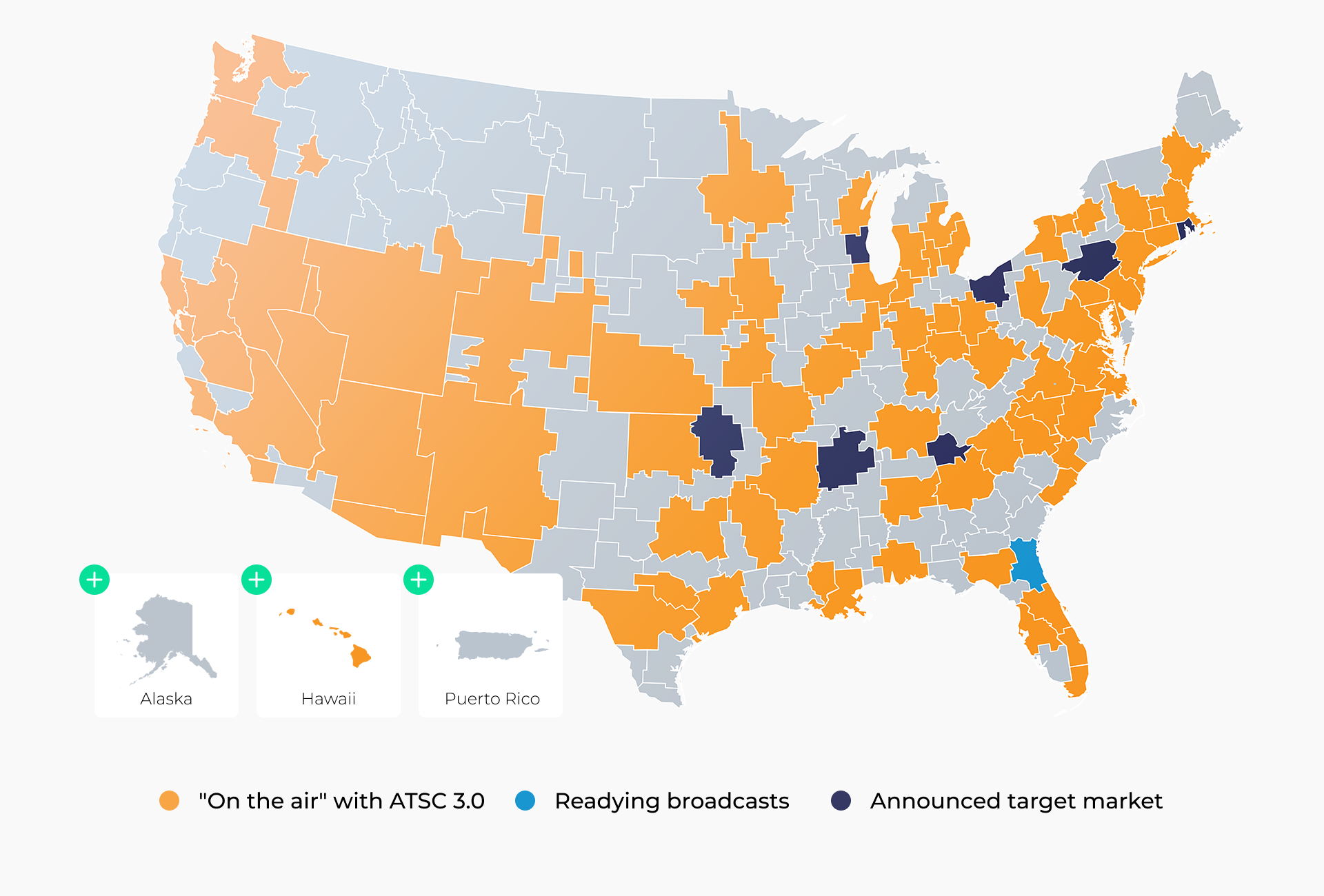
NextGen TV adoption: the USA’s market penetration
This expansion into major urban areas underscores the strategic emphasis on regions with high television household densities, thereby optimizing potential viewership and adoption rates.
Moreover, the success of this technology is highlighted by the fact that while U.S. broadcasters have just started to vigorously introduce ATSC 3.0 to American audiences, South Korea had launched ATSC 3.0 back in 2017, now successfully covering more than 80% of its population1.
While the ATSC 3.0 rollout is gaining momentum, many broadcasters may remain not rushing into things, held back by uncertainties around ATSC 3.0 TVs and receiver adoption and predictable audience data. Yet, early market movers are already adopting the technology to deliver immersive, interactive experiences. The intention is clear: leadership in the broadcasting space favors those who act early.
The bad news for viewers is that ATSC 3.0 is not backward-compatible with 1.0, meaning they will need an ATSC 3.0 tuner or a new TV with one to receive broadcasts, making the NextGen TV cost factor still present.
The good news, however, is that the marketplace is abuzz with over 100 models2 of NextGen TV sets available, featuring top names like Samsung, Sony, and TCL. Projections from the Consumer Technology Association (CTA) suggest that half of all TVs shipped should be NextGen TV-ready in 2025.
This rapid adoption highlights the growing number of compatible devices and integration of ATSC 3.0 technology in today’s electronics landscape. We’ll likely be seeing more of NextGen TV Roku, Samsung NextGen TV, and NextGen TV Sony TV sets emerging from manufacturers in the coming years.
Just in case: to analyze the device market and estimate the potential audience for ASC 3.0-based broadcaster apps, you can visit watchingnextgentv.com for the latest information on devices that support this new standard.

You might need a technology partner. We’re the anchor development partner for Run3TV, and we can help you adopt the Run3TV framework tailored to your specific needs — ensuring more engaging experiences on linear TV. Explore our offering below.
ATSC 3.0 isn’t just a tech upgrade — it’s designed to captivate TV viewers, unlock more interactive viewing and digital-like advertising opportunities, and provide enhanced viewing analytics. We’ve broken this technology down step by step.
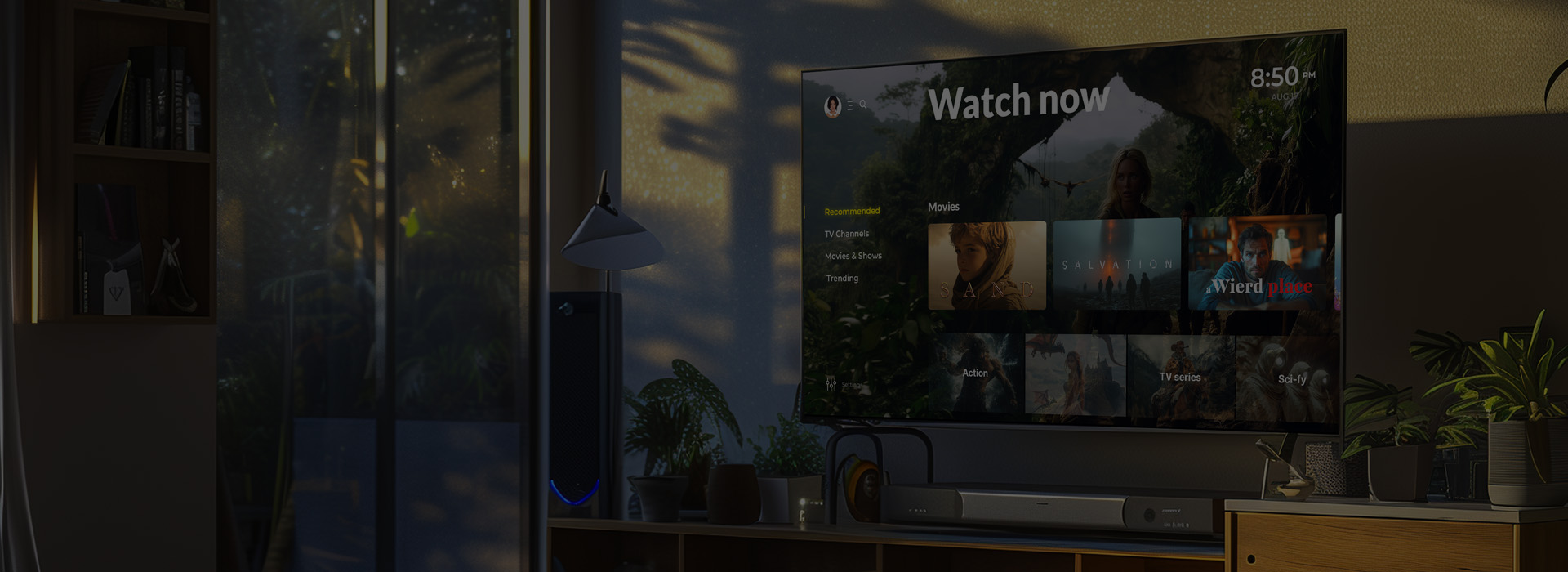
We won’t spoil the fun, but here’s a sneak peek at the questions this article will tackle:
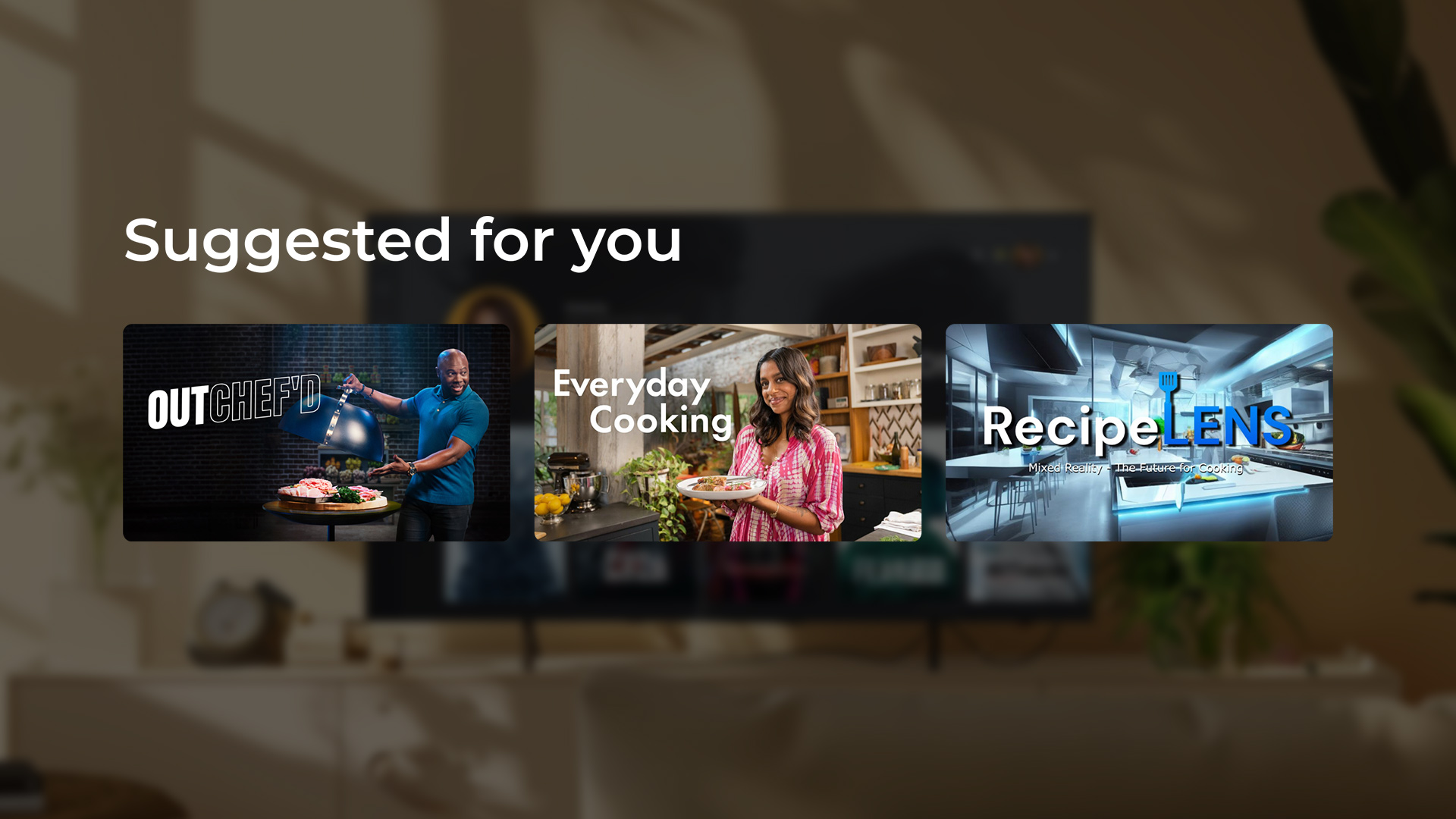
Viewers with NextGen TVs can now enjoy interactive features that were once limited to linear TV services. They can rewind shows and receive access to video-on-demand content, local traffic alerts and weather updates — like a friendly nudge about a deadly rainstorm headed your way.
The viewing experience is becoming less of a passive leisure activity, with real-time engagement features like live polls and Q&A sessions. Users can also place bets on their favorite sports teams, all while the show plays on, or vote on their favorite TV shows, adding a new level of involvement. Additionally, personalized content recommendations provide a VoD-like experience, suggesting similar movies and shows to watch directly through the viewer’s TV.
Intrigued? Keep exploring to discover what your NextGen TV app could be like.
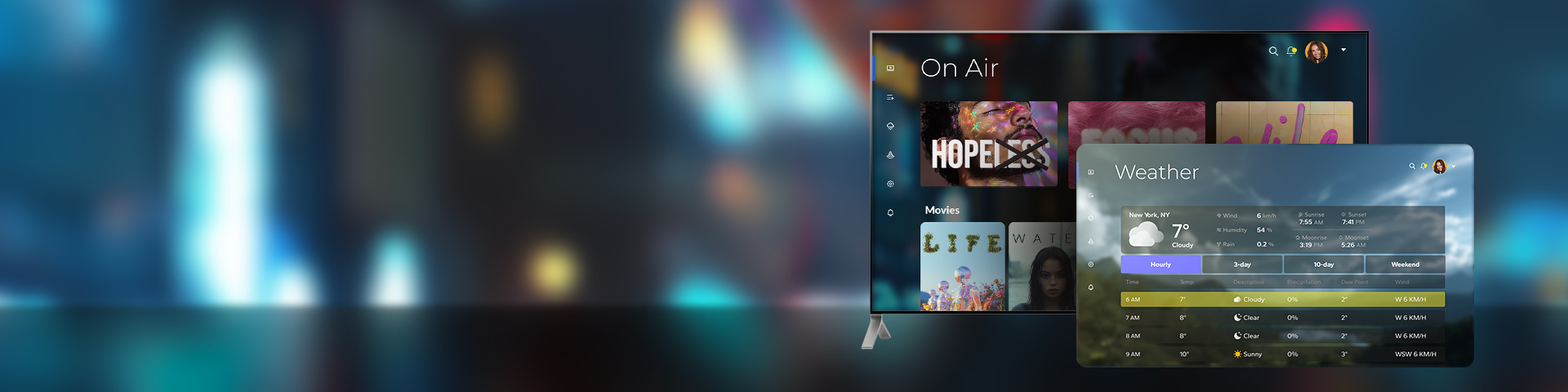
Here’s what we’ll be breaking down throughout the article:
NextGen TV is poised to revolutionize TV advertising by blending broadcast and internet capabilities. This innovation transforms ads from generic broadcasts into personalized, interactive experiences, which raise questions like is NextGen TV free? Well, it’s worth noting that NextGen TV broadcasts will remain free, as it doesn’t require subscriptions like Subscription-Based Video-on-Demand (SVOD) streaming services.
Dynamic ad insertion allows for ads tailored to individual viewer profiles, much like online advertising. According to Anne Schelle of Pearl TV, ATSC 3.0 provides broadcasters with digital-level interactivity, including overlays and interactive ads3. This technology retains a traditional TV’s broad reach while adding addressability and enhancing monetization for broadcasters. Features like “Start Over” and “Pause Ads” highlight the interactive potential, making ATSC 3.0 a game-changer for TV advertising. Enough spoilers — there’s a deeper dive waiting for you in the full article.

And below are some tricky questions answered by Kyrylo Stegnii, AdTech Business Solution Architect:
You may know that Run3TV is a NextGen TV web platform developed by the ATSC 3.0 Framework Alliance, LLC (A3FA), a subsidiary of Pearl TV. Run3TV provides a starter kit for broadcasters to develop interactive applications within NextGen TV’s ecosystem. Adopted by leading TV manufacturers and broadcasters, Run3TV is currently available in nearly 100 markets and is enabled across all leading NextGen TV devices.
Oxagile’s experience with Run3TV also shows that its capabilities open up a treasure trove of possibilities for weaving dazzling interactivity into the NextGen TV streaming.
Talk to our online video experts regarding your ATSC 3.0 plans.
1. The Broadcast Standards Association — ATSC
2. 100+ TV models should be NextGen TV ready —Watch NextGenTV
3. ATSC 3.0 provides the same interactivity level as web content —TV Tech
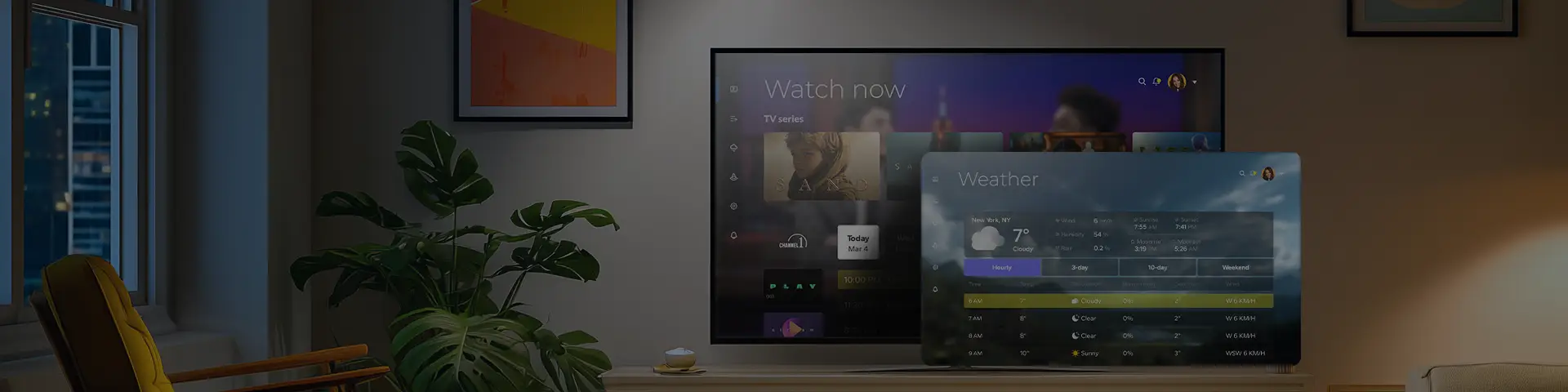
Yes, NextGen live TV remains free over the air — just like traditional broadcast television. Unlike subscription-based streaming platforms (like SVOD services), it doesn’t require any monthly fees or contracts. All you need is a compatible TV or receiver.
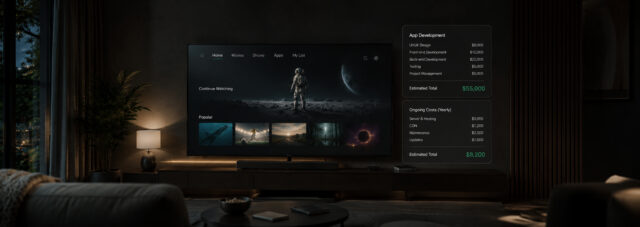
The cost for broadcasters can vary widely. It largely depends on whether you opt for a standardized user experience (UX) or pursue a customized solution tailored to your brand and audience.
Looking to explore your options for NextGen TV broadcasts? Let’s discuss your project and provide an estimate.
NextGen TV is already available in many parts of the U.S. Since 2023, major networks like Fox, NBC, and Telemundo have launched ATSC 3.0 stations in key markets.
Take Miami, Florida as an example: with 11 channels broadcasting in ATSC 3.0, the market now reaches 1.7 million TV households. Today, over 70 U.S. markets have NextGen TV coverage, reaching around 75% of American television households.
No, LG TVs don’t support NextGen TV. For the latest list of compatible models, visit watchingnextgentv.com, perhaps NextGen TV LG models will released.
Sony has released several NextGen TV-compatible models between 2022 and 2025. Here are some highlights:
2025 models:
2024 models:
2023 models:
2022 models:
For a full NextGen TV Sony list and specs, visit watchingnextgentv.com.

