












This website uses cookies to help improve your user experience
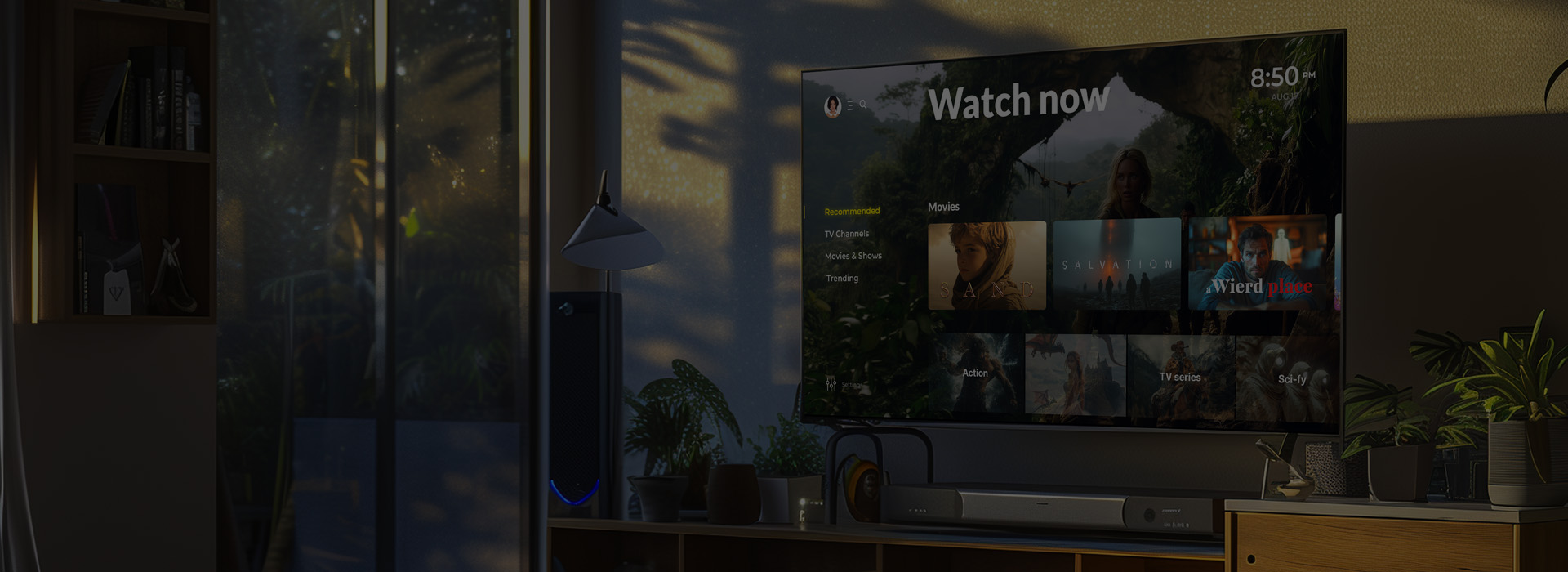

For over 30 years, U.S. broadcasters stuck with the same digital broadcast standard, a system that once defined innovation but now struggles to keep up. Viewers, meanwhile, have changed completely. They expect choice, personalization, mobility, and they’re used to getting it.
Audiences have grown comfortable with platforms that think like they do, when browsing live news on a phone screen or binge-watching on Smart TVs. And they’re not waiting around for traditional TV to catch up.
So, what happens when your audience takes a step froward, but your signal doesn’t?
That’s the question behind the rise of NextGen TV, the industry name for the latest evolution in broadcasting. Built on a new set of capabilities, ATSC 3.0 technology brings together the reach of over-the-air transmission with the intelligence of streaming, connecting two worlds that used to be miles apart.
But before we talk about how ATSC 3.0 works and what makes it so different, let’s rewind. This shift didn’t come out of nowhere. It’s part of a longer story: one that started decades ago and is now approaching a major turning point.
Key takeaways:
To understand where we’re going, it helps to know where we’ve been. For decades, ATSC 1.0 defined over-the-air television in the U.S. It marked the industry’s transition from analog to digital, brought us better picture quality, and let broadcasters transmit multiple channels over a single frequency. At the time, it was a leap forward. But like any technology built for a different era, it began to show its age.
Then came streaming: on-demand, hyper-personalized, always a tap away. And suddenly, viewers weren’t just watching, they were choosing. On their phones, laptops, tablets.
Wherever and whenever it suited them. The structure of traditional TV started to feel rigid.
An upgrade was inevitable.
That upgrade arrived in the form of ATSC 3.0, also known as NextGen TV, a broadcast standard redesigned from the ground up to suit modern viewing habits. Unlike its predecessor, ATSC 3.0 uses Internet Protocol (IP) to deliver content and allows integration between broadcast and broadband. This lays the groundwork for interactive features, personalized experiences, and future-ready innovation.
ATSC 3.0 is the next generation broadcast television standard, replacing the older ATSC 1.0. At its core is a fully packet based architecture: content such as video, audio, and metadata is wrapped into IP packets, similar to regular internet traffic (unlike the old MPEG 2 Transport Stream format).
A key part of the ATSC 3 protocol is the switch to OFDM modulation instead of 8 VSB. This type of signal handles interference and multipath propagation much better, so reception improves noticeably both indoors and on the move.
Main technical components of the standard include:

Another notable feature of the format is hybrid delivery. Broadcasters combine the over the air signal with an internet connection, adding interactivity, targeted advertising, and data that would not fit into a traditional broadcast.
The standard is not compatible with older receivers, so a TV with NextGen TV support or a separate converter tuner is required. Because of this, the transition is happening gradually, with broadcasters often simulcasting in both the old and new formats for a period of time.
ATSC 3.0 brings together a wide range of upgrades, spanning picture quality, sound, transmission, and interactivity.
The standard relies on HEVC (H.265) compression. This gives broadcasters the chance to fit 4K Ultra HD into the same bandwidth that used to carry HD. Beyond resolution, it also supports High Dynamic Range, Wide Color Gamut, and higher frame rates, so motion and color both look noticeably better than on older sets.
Audio gets a similar overhaul. New codecs like AC 4 and MPEG H Audio enable immersive, object based sound with height channels, plus practical extras such as adjustable dialogue levels or switching to an alternate language track mid broadcast.
This is where the biggest engineering changes happen. ATSC 3.0 moves to OFDM modulation and LDPC error correction, both far more resilient to interference than the old system. A few other elements build on this foundation:
Perhaps the most noticeable structural shift is that everything travels over IP instead of the legacy MPEG 2 Transport Stream. This is what makes hybrid delivery possible in the first place, broadcasters can blend the over the air signal with broadband, and it opens the door to datacasting, sending non-video data alongside regular programming.
That same IP foundation powers the interactive side of the platform. Broadcasts can carry HTML5 based apps, richer app style program guides, and content synced to a second screen. Advertising benefits too, with dynamic, targeted ad insertion replacing the same spot for every viewer.
Advanced Emergency Alerting delivers alerts with maps, video, and audio rather than just text, and can even wake up compatible devices from standby. Accessibility options for captions and audio description are also more flexible than in earlier standards.
Built in content protection plus a low level bootstrap signal help receivers find and decode broadcasts reliably. Devices meeting all these requirements carry the NextGen TV certification.
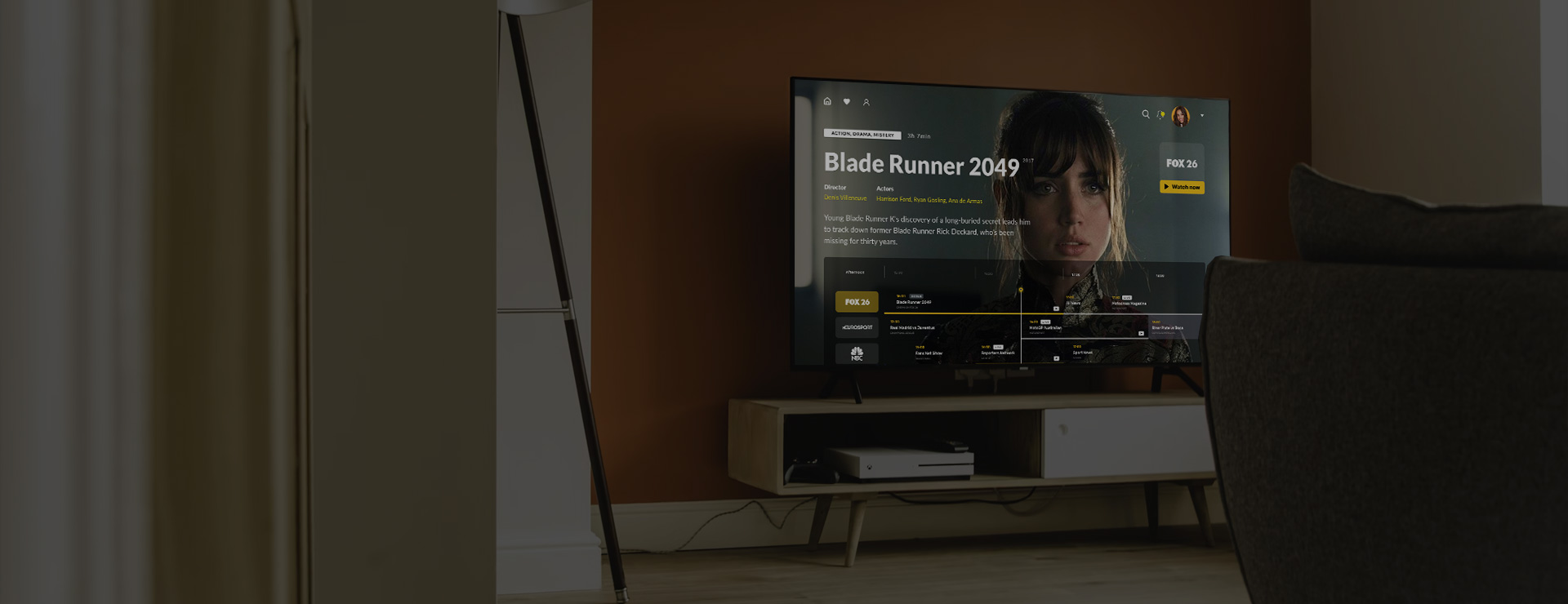
Every broadcaster knows: changing standards involve more than just technical specifications. Such changes affect the expectations of regulators, partners, and, most importantly, the audience.
So what makes ATSC 3.0 such a different beast compared to ATSC 1.0?
| ATSC 1.0 | ATSC 3.0 | |
| Signal architecture | One-way digital signal | 4K UHD, HDR, up to 120fps |
| Video quality | Up to 1080i, no HDR | IP-based hybrid delivery (broadcast + broadband) |
| Audio | Stereo or basic Dolby Digital | Dolby Atmos, Voice Plus, loudness leveling |
| Device compatibility | Only for fixed-location TVs with antennas | Smart TVs, mobile devices, in-car systems |
| Interactivity and UX | No interactivity | App-like menus, interactive overlays |
| Emergency alerts | Basic tones or text crawls | Real-time, geo-targeted multimedia alerts |
| Future readiness | Static standard, hard to upgrade | Modular, software-driven, future-ready |
The original ATSC 1.0 was designed in the ‘90s, and it shows. It delivered a one-way digital signal, intended for stationary TVs, with resolution capped at 1080i and audio in basic Dolby Digital. It couldn’t adapt to different devices or user behavior. It simply played content, full stop.
ATSC 3.0, by contrast, speaks the language of today’s tech. Built on Internet Protocol (IP), it supports hybrid delivery: part over-the-air, part over-the-top. That means broadcasters can now pair their signal with internet-based features like interactive elements, on-demand content, and personalization, and still use the spectrum they control.
The difference in visual quality is just as stark. Where ATSC 1.0 offered decent HD for its time, ATSC 3.0 supports 4K resolution, High Dynamic Range, and up to 120 frames per second. The image feels alive and immersive, not just clear. And it holds up across screens, both for a living room TV or a smartphone on a moving train.
Sound technology has also progressed, as viewers don’t settle for flat audio. ATSC 3.0 introduces Dolby Atmos, delivering multidimensional surround sound with Voice Plus enhancements for dialogue clarity and automatic volume leveling, a welcome change for anyone who’s ever jumped at a loud commercial.
One more thing: ATSC 1.0 had no way to adapt. It was hardware-bound, inflexible, and difficult to upgrade. ATSC 3.0, by design, is modular and software-friendly, which means it can grow alongside your strategy, adding new features, integrating with apps, and adjusting to how people actually watch content today.
So when we compare ATSC 1.0 and 3.0, the difference lies in how each standard handles broadcast transmission, data services, and viewer features.

If you’re rethinking your broadcasting UX/UI strategy, exploring new viewer experiences, or looking to prototype your first interactive broadcaster app, we can help you take that next step with clarity and confidence.
Explore our NextGen TV development services to see how we turn standards into standout experiences.
Let’s be honest, the industry is curious, but cautious. Everyone’s watching the progress of ATSC 3.0, but few are ready to sprint ahead without clear signals of ROI. And the hesitation makes sense.
Yes, the rollout is underway. Yes, the technology is here. Yes, there are plenty of reasons to enter the NextGen TV market. But in practice, broadcasters face two difficult unknowns:
If you’re in that wait-and-see camp, you’re not alone but the ground under that position is shifting fast. In 2025–2026, the FCC has been weighing proposals to accelerate the transition, and the largest station groups like Gray Media, Sinclair, Nexstar, and Scripps, have formally pushed the regulator to set a hard cutoff date for ATSC 1.0 (NAB’s own proposal: February 2028 for the top 55 markets, February 2030 nationwide3).
These same groups aren’t just lobbying for a deadline, they’re already building for it. Sinclair and Gray Media are rolling out ATSC 3.0 broadcasts with Dolby Atmos, HDR video, and interactive game content. Broadcaster apps like GameLoop are already live in dozens of markets, turning TVs into play hubs. HDR-enabled sports broadcasts are delighting viewers during prime-time events. And immersive news coverage in native HDR is becoming a new local differentiator. This is what early leadership looks like.
Nearly all major broadcasters now harness the QBar App, a templated broadcaster application offering from Run3TV, as their foundation. Yet, a few, such as NBCUniversal, have journeyed beyond the standard path, crafting fully customized and uniquely interactive experiences that reflect their distinct brand identities and deepen audience engagement.
These broadcasters are already adapting their services to new technologies and audience demands. Those who delay adoption may find it harder to compete for a leading position in the NextGen TV market.
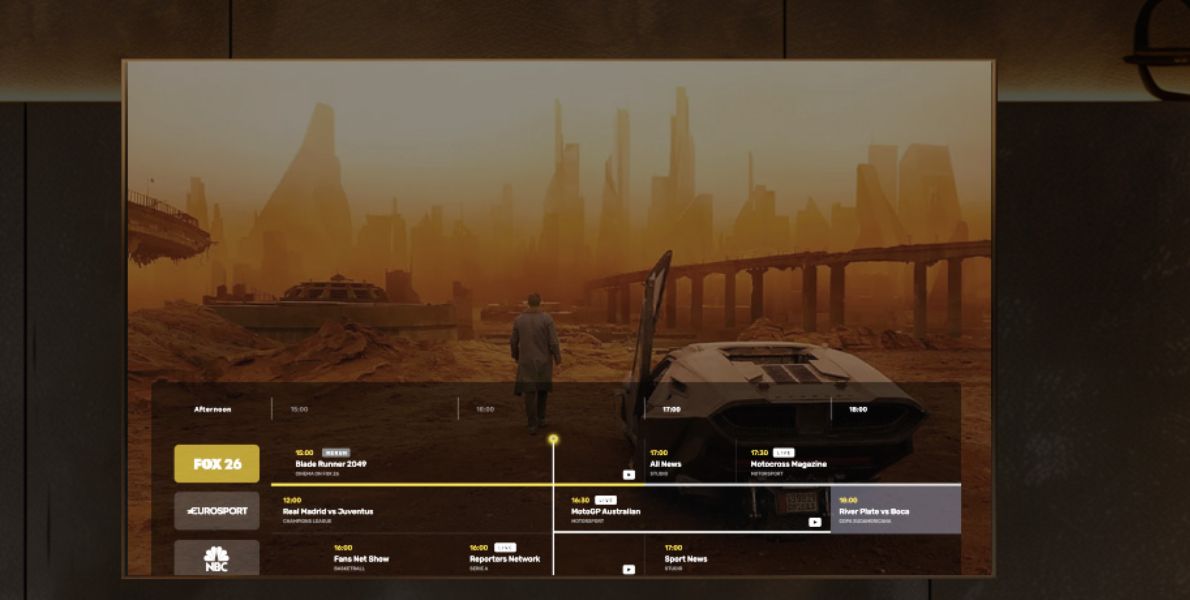
There’s a simple rule in media: the first to adapt tends to define the playing field. In the case of ATSC 3.0, that means relevance, as well as better quality. Early adoption of the standard allows broadcasters to update their infrastructure and introduce new capabilities, including:
And most importantly, to stay visible to viewers who’ve grown used to Netflix-level experiences, even from local TV.
What does ATSC 3.0 do? It closes the gap between broadcast and expectation. Viewers don’t care about specs. They don’t say, “Wow, this must be IP-based delivery with HEVC encoding.” They just notice when something feels off when the picture is flat, the volume jumps, or there’s no way to restart the show they missed.
That’s what ATSC 3.0 does: it brings TV broadcasting in line with how people actually watch today.
And for broadcasters? That means more relevance, more retention, and a real chance to reconnect with audiences who stopped expecting much from over-the-air a long time ago. Now they can expect more. You just have to be the one to deliver it.
Our All-About NexGen TV Guide and FAQ has the answers you’re looking for.
Moving to ATSC 3.0 requires careful planning across technology, implementation, and content strategy. The transition involves infrastructure updates, new technology decisions, and changes in how broadcasters deliver services to their audiences.
But you don’t have to do it alone. An experienced development partner can help manage this process.
At Oxagile, we help broadcasters develop NextGen TV solutions, combining expertise in broadcast technologies, application development, and interactive features. As a Run3TV anchor development partner, we contribute to projects from initial planning through implementation, including the design and delivery of viewer-facing experiences.
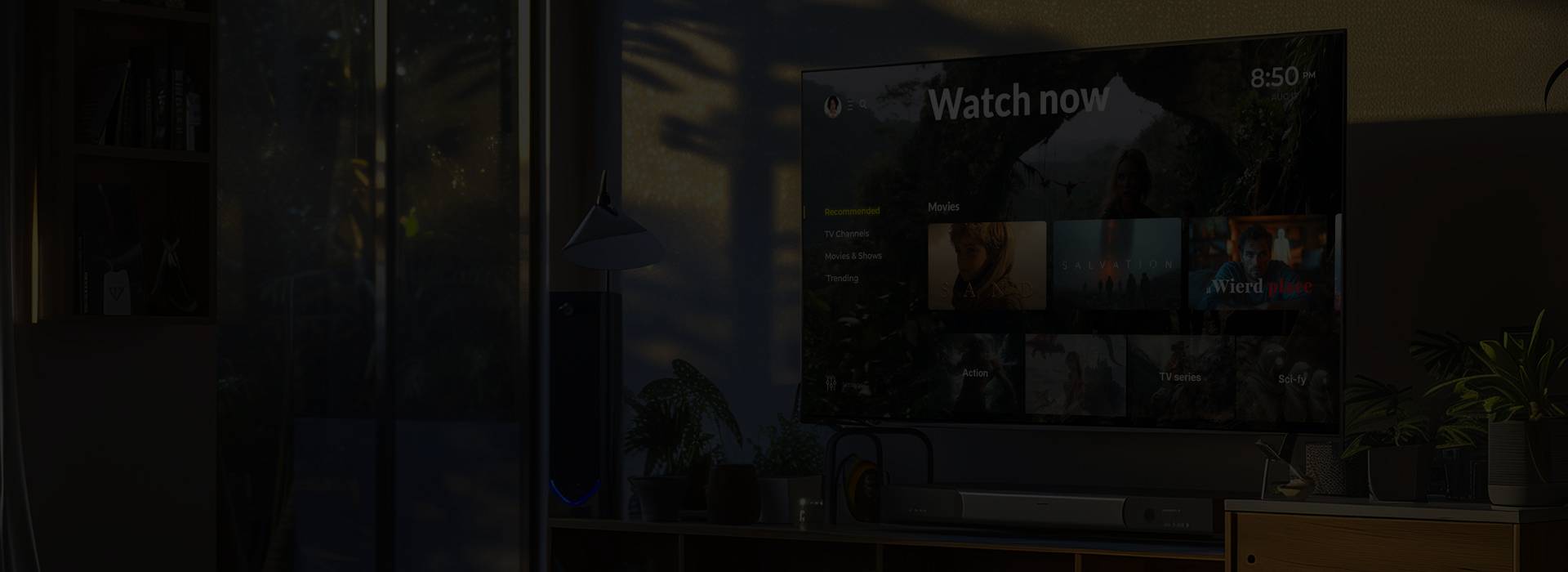
We develop interfaces for ATSC 3.0 TVs already available on the market. These applications combine linear broadcast content with app-like features, bringing interactive capabilities to over-the-air services and supporting hybrid broadcast delivery.
If you’re launching your first ATSC 3.0-enabled app or rethinking how your signal connects with the new generation of devices, we’re here to translate the standard into something that creates value.
Because let’s be honest: the technology is mature. The market is forming. And the moment for hesitation? It’s running out.
We’re ready to talk. No pressure. Just a clear look at what’s possible.
1. Lawmakers: FCC should mandate NextGen TV switch to spur consumer interest — TheDesk.net
2. Secure Content Distribution at Heart of New ATSC 3.0 Receivers for Consumers and Broadcasters — A3SA
3. NAB Show Highlights on ATSC 3.0 Expansion — Pearl TV
ATSC 1.0 delivers a one-way digital signal with up to 1080i resolution, basic audio, and fixed-TV support. ATSC 3.0 uses IP-based hybrid delivery, supports 4K HDR, Dolby Atmos, mobile and Smart TV devices, interactive features, geo-targeted alerts, and modular, software-driven upgrades.
Challenges include limited ATSC 3.0 TV adoption, uncertain audience reach, and the need to justify investment in new apps, UX, and interactive features. Broadcasters must balance technology rollout with market readiness and measure potential ROI for hybrid broadcast strategies.
ATSC 3.0 TVs support 4K HDR, Dolby Atmos, interactivity, and hybrid delivery, connecting broadcast and broadband. They meet modern viewer expectations for personalization, mobility, and engagement. This way, broadcasters stay relevant, increase retention, and get new monetization opportunities.
Yes. An older TV can receive ATSC 3.0 broadcasts by connecting a compatible external tuner or converter box, so there’s no need to replace the whole set. These boxes decode the new signal and pass the picture and sound to the TV over HDMI, much like a cable or satellite box does.
No, ATSC 3.0 is not backward compatible, so TVs built for the old standard cannot decode the new signal on their own. This is why many run both standards side by side for a while, giving viewers time to upgrade before ATSC 1.0 is eventually phased out.
So, what does ATSC 3.0 do on the broadcaster’s side? It requires new transmitters and encoders that support the standard, along with updated infrastructure for IP based content packaging. During the rollout, most broadcasters also keep running ATSC 1.0 in parallel, which means operating two systems at once until enough viewers have made the switch.

