














This website uses cookies to help improve your user experience


Competition in sports remains intense. High-quality training equipment, advanced rehab techniques, and sports psychology are now widely used, which means they’re no longer enough by themselves to give athletes an advantage. In the drive for titles and recognition, individual athletes and teams must embrace sports IoT solutions and video analysis solutions to optimize tactics and elevate performance.
Another reason for the growing interest in these technologies is the market outlook. Analysts project that the global market for AI sports video analysis will grow to more than 16.6 billion USD by 20301. Beyond the numbers, the practical impact is equally impressive: organizations that integrate AI-driven video analysis into their training see, on average, a 21% boost in individual performance and nearly a 28% improvement in overall team outcomes2.
In other words, the adoption of modern sport software isn’t just another technology upgrade. It’s quickly becoming one of the most effective tools for coaching video analysis and performance evaluation in team sports.
Key takeaways:
AI tools are now widely used in sports, but it’s still worth looking at how video analysis actually works in practice. Understanding these approaches helps coaches use footage more effectively during training and match preparation.
To begin with, video analysis can be conducted in real-time or after-match modes. This allows coaches and analysts to make immediate adjustments during a live game or thoroughly analyze the footage afterwards.
Moreover, the collection of quantitative statistics from video analysis provides insights into the quality of the game strategy, the performance of individual talents, and the overall atmosphere during the match.
Video analysis in sport encompasses three main types:
To maximize outcomes, modern teams increasingly rely on sport analysis software. These platforms allow coaches to integrate footage from matches, warm-ups, and training sessions into a single system. When paired with analytics, they highlight patterns and areas for improvement that are hard to spot with the human eye alone.
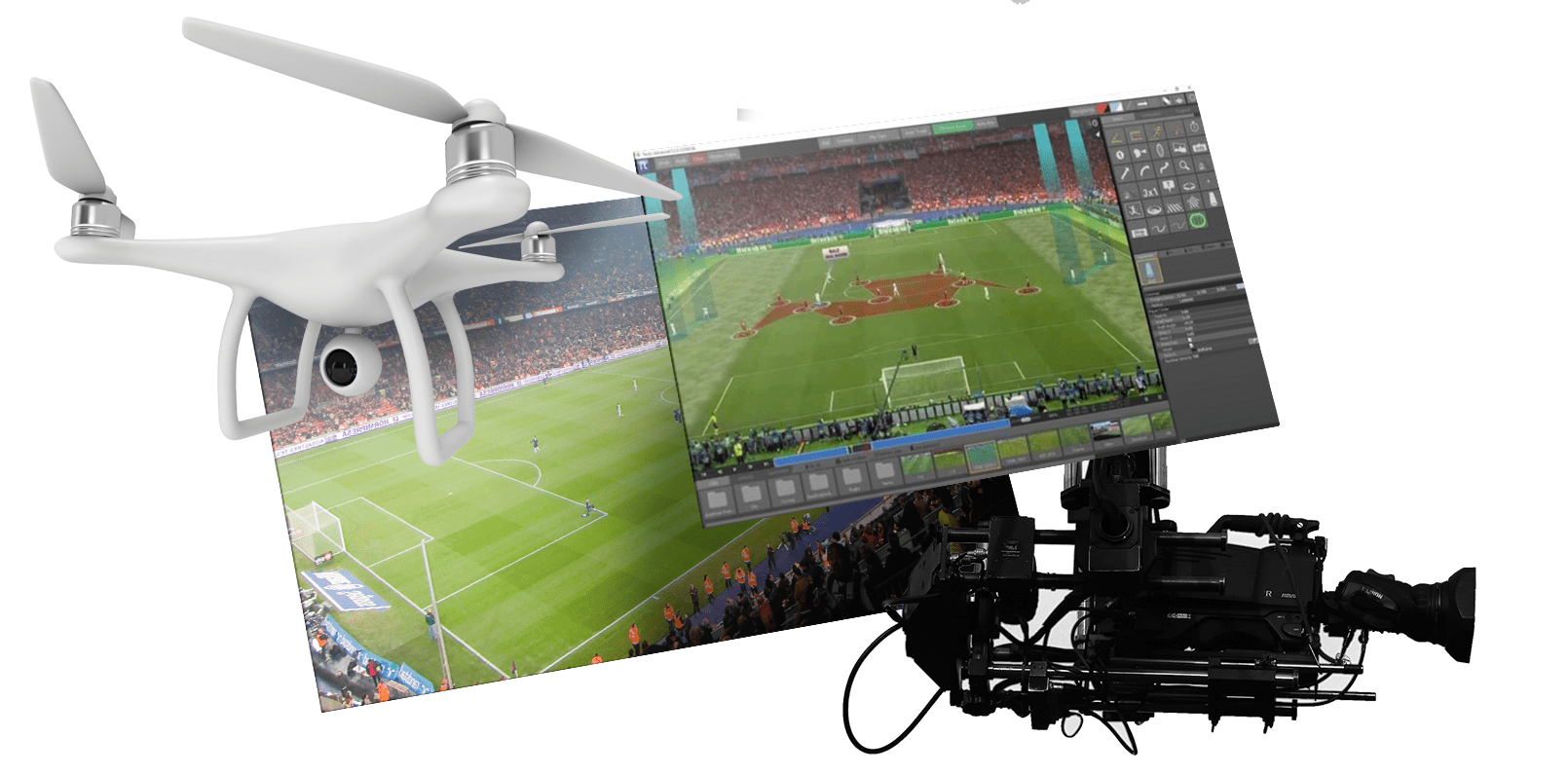
Footage capture from aerial perspectives
So, why do coaches make use of video analysis in sports? Such CV-based tools offer a range of advantages that greatly contribute to the success of teams and individual players, including:
With AI sports video analysis, the impact of traditional methods goes further: insights are delivered instantly, repetitive manual review is reduced, and recommendations are backed by objective data rather than intuition. This shift allows coaches and players to act on information more quickly and with greater confidence.
For teams wondering how to make video analysis truly effective, the answer lies in integration. Modern sport analysis software combines footage, statistics, and AI models into one platform, making insights easy to access and share across the entire team. As a result, performance analysis in team sports becomes not just consistent, but directly actionable, helping teams translate data into real improvements on the field.

Share your idea or challenge, and we’ll help you design a solution based on advanced video analytics and computer vision.
Sometimes a particular shot or a slight difference in the player’s physical condition can totally change the match outcome, and understanding what that game breaker was will put you ahead of the pack.
Build advanced video analysis software that will help you reveal what exactly was happening after a particular change in an athlete’s physical condition, for example, when the heart rate spiked, body temperature elevated, or blood pressure dropped. Underpinned by the results of a deep footage analysis, you’ll also be able to understand the impact of certain shots, passes, as well as angle or speed changes and find the ways of improving athlete performance.
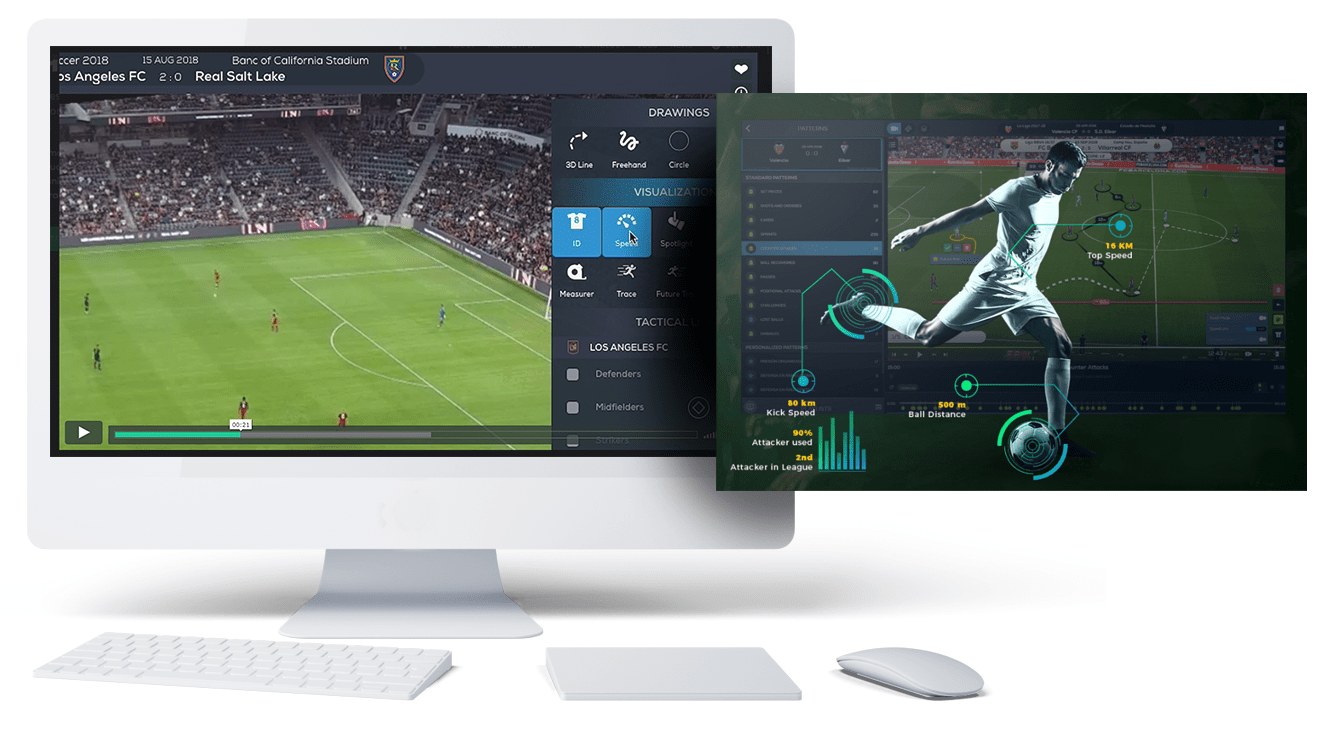
Athlete performance analysis
Besides assessing the nature of turning moments, video analysis in sport is ready to unfold its wings in identifying player habits and effectively correcting those that hamper success. For example, it might turn out that in 90% of cases when your tennis player serves flat to the second half on breakpoints, they lose the game. Or, when nervous, your goalkeeper always safeguards the right part of the net during a penalty and in most cases misses a goal.

Sports video analytics also helps broadcasters and platforms engage fans during live matches. Player statistics and key moments appear directly on viewers’ mobile devices, offering a more interactive way to follow the game.
Building effective game strategies for a particular match has never been a walk in the park for coaches. And sometimes IoT data featuring key performance metrics is not enough. Fortunately, sophisticated video analytics swoops in with the promise to relieve the strain.
Game footage helps teams identify recurring situations and evaluate how well they work. Coaches may use these insights to correct weak patterns of play and strengthen the tactics that lead to wins.
Of course, it’s key to focus on the capabilities of your own athletes when developing tactical moves. However, don’t underestimate the power of rival analytics. As you can’t equip your opponents with sensors and smartwatches to track their performance in real time, an extensive video analysis becomes your silver bullet.
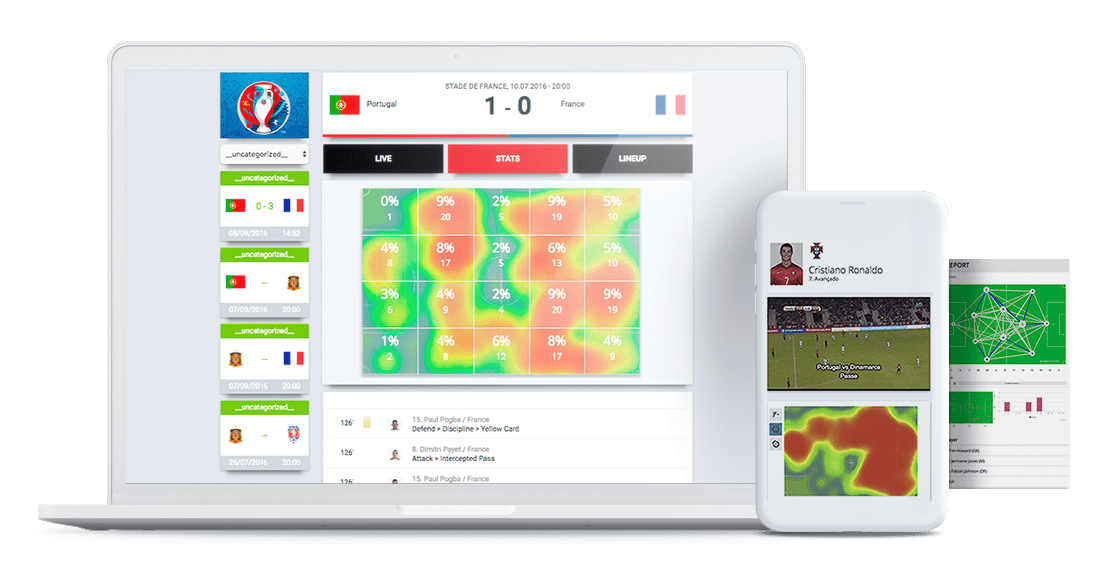
Sports intelligence reporting
Scrutinize rival tactics that led to considerable advantage in a particular match, check what was made in response to your new strategy, and analyze rivals’ emotions and their impact on the game. All this valuable information will help you accordingly tweak your tactics, giving you a leg up as the game unfolds.
A healthy player is half the battle, but making sure your team is in perfect physical conditions is not as easy as it seems. Of course, video analytics is not a magic wand, but it can empower you to explore the problem with proper lenses.
Dive deep into video footage to understand how your athletes feel during matches, warm-ups, and training sessions. As one wrong step might lead to a serious lesion, pay attention to the way they do a particular exercise or train some difficult shots. Human vision is limited, so a machine-based post-processing is a must in revealing all possible inconsistencies. As of sprinters, there can be mistakes in femur split angles, stride length and frequency, knee lift, or heel drop. And tennis players might easily get injured due to the wrong serve angle or too long gliding on the court surface.
Advanced AI-driven tools extend these capabilities even further. Biomechanical models applied to training footage help teams detect subtle irregularities in movement that may signal an increased risk of injury. For example, a drop in knee stability during acceleration drills or a recurring imbalance in upper-body rotation often appears in the data long before it develops into a serious setback.
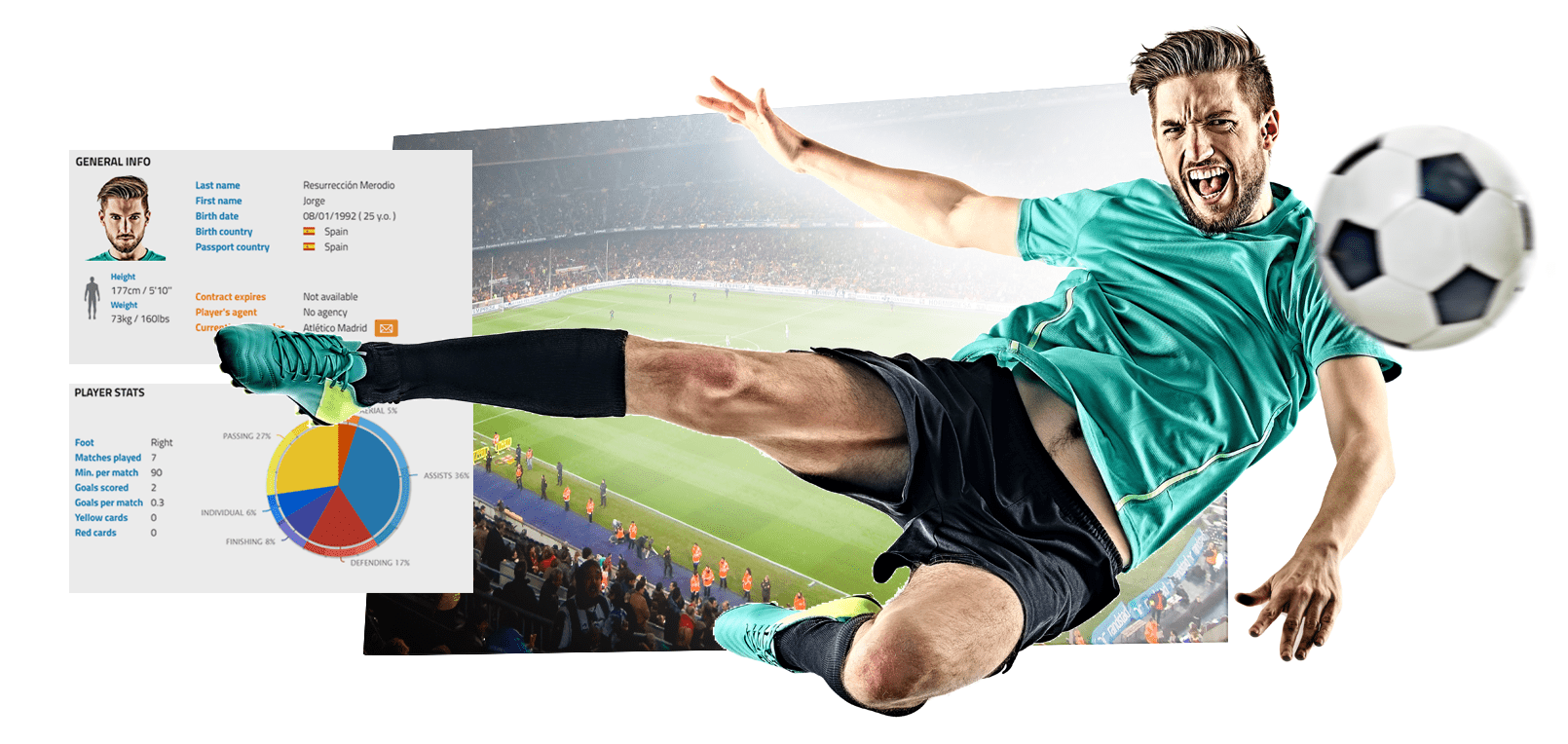
Athlete health analytics
Video analytics will also help you prevent poor athlete performance by detecting any deviations from their normal training. A player unconsciously changes some routine exercises or increases the intensity of the workout at the wrong time — an AI-powered coach assistant won’t let you miss a thing.
Recruiting the right talent is one of the most decisive factors for long-term success in sports. Traditionally, scouts relied on live observation and limited statistics. Today, AI sports video analysis allows clubs to process thousands of hours of footage and identify hidden potential in athletes that might otherwise be overlooked.
With advanced sports video analysis software, recruitment teams break down performance in specific contexts: how a midfielder reacts under pressure, how often a forward creates chances in the penalty box, or how consistently a defender tracks back after losing possession. When integrated into performance analysis in team sports, these insights help clubs reduce the risks associated with transfers and investments.
For coaching staff, this means that player onboarding becomes data-driven from day one. Footage from previous games is quickly transformed into coaching video analysis material, showing strengths to build on and weaknesses to address. In this way, scouting powered by video analytics accelerates both recruitment decisions and player adaptation.
Sports are no longer just about what happens on the pitch; they’re also about how fans experience the game. When AI analytics is applied to broadcast feeds, leagues and media companies can generate personalized highlights, interactive statistics, and real-time insights for fans’ devices.
This not only strengthens the emotional connection between supporters and their teams but also creates new revenue streams. For example, broadcasters can use coaching video analysis clips to explain tactical changes during halftime shows, while clubs offer fans unique camera angles or augmented reality breakdowns.
Ultimately, learning how to make video analysis part of media workflows means building immersive, data-driven fan experiences. It’s a win-win: athletes and coaches get better insights, and fans stay engaged longer, opening opportunities for new sponsorship and advertising models.
Video has become an essential tool for reviewing matches and training sessions. With the help of analytics platforms, coaches and analysts break down game situations, evaluate player performance and physical condition, and identify tactical patterns that may influence future decisions.
But the journey doesn’t stop with game-day improvements. Modern clubs increasingly treat video technology and advanced analytics as a long-term growth strategy. By weaving these solutions into daily routines, they build a culture where every training session, recovery program, and competitive match generates insights for continuous progress.
For coaches, this means more than just clearer communication with players — it turns evaluations into measurable processes, where development can be tracked week after week. For analysts, it offers ways to compare results across different seasons or even leagues, uncovering patterns that might otherwise go unnoticed. And for managers, it opens opportunities to make data-driven investment decisions in player development, medical care, or tactical innovation.
We also see a shift toward integrated ecosystems: IoT sensors, drones, stadium cameras, and video platforms feeding data into a single environment. Bringing these sources together transforms video insights from a supporting tool into the backbone of modern sports intelligence.
Finally, fan engagement is becoming a powerful driver. The same systems that help coaches refine strategies, deliver personalized content to audiences, from unique camera angles to real-time stats and interactive experiences. In this way, advanced video analytics goes beyond the playing field, creating stronger connections between clubs, athletes, and fans.
Sports video analysis isn’t just about improving team or player performance. It could also help streaming platforms and broadcasters create more engaging fan experiences.
1. Artificial Intelligence in Sports Market Size & Share & Trends Analysis Report — Vantage Market Research
2. Artificial Intelligence (AI) in Sports Market Size, Share & Trends Analysis — GlobeNewswire
It is a necessary tool for coaches aiming to optimize the team and individual performance. It goes beyond being a trend, becoming an integral part of the coaching process to streamline strategies and enhance player development.
Sports video analysis is used by coaches, analysts, and professional teams to review matches, evaluate player performance, and refine tactics. It is also increasingly used by scouts, sports organizations, and broadcasters to assess talent and create engaging content for fans.
The cost of sports video analysis varies depending on the tools and level of automation involved. While advanced AI-powered systems can require significant investment, many modern platforms make video analysis accessible even for smaller teams and training programs.
Adopting AI-powered video analysis in coaching has many benefits. For example, a coach increases communication effectiveness with the team players, make real-time decisions for game improvement, boost individual player performance, and gain insight into opponents’ game strategy.
Some use cases include upgrading player skills with video analytics. Plus, using AI in sports athlete performance analysis video helps enhance game tactics and improve player health through accessing video data.
Teams increasingly combine advanced tracking tools and AI in sports future of athlete performance analysis video solutions to evaluate how athletes move, react, and execute tactics during real game situations. AI-powered video analysis lets coaches review positioning, decision-making speed, and movement efficiency to improve overall performance.

