
Medical image analysis across X-ray, MRI, ultrasound, CT, and nuclear medicine modalities. Everything is engineered for diagnostic support, image-guided surgery, treatment adherence monitoring, and injury rehabilitation.
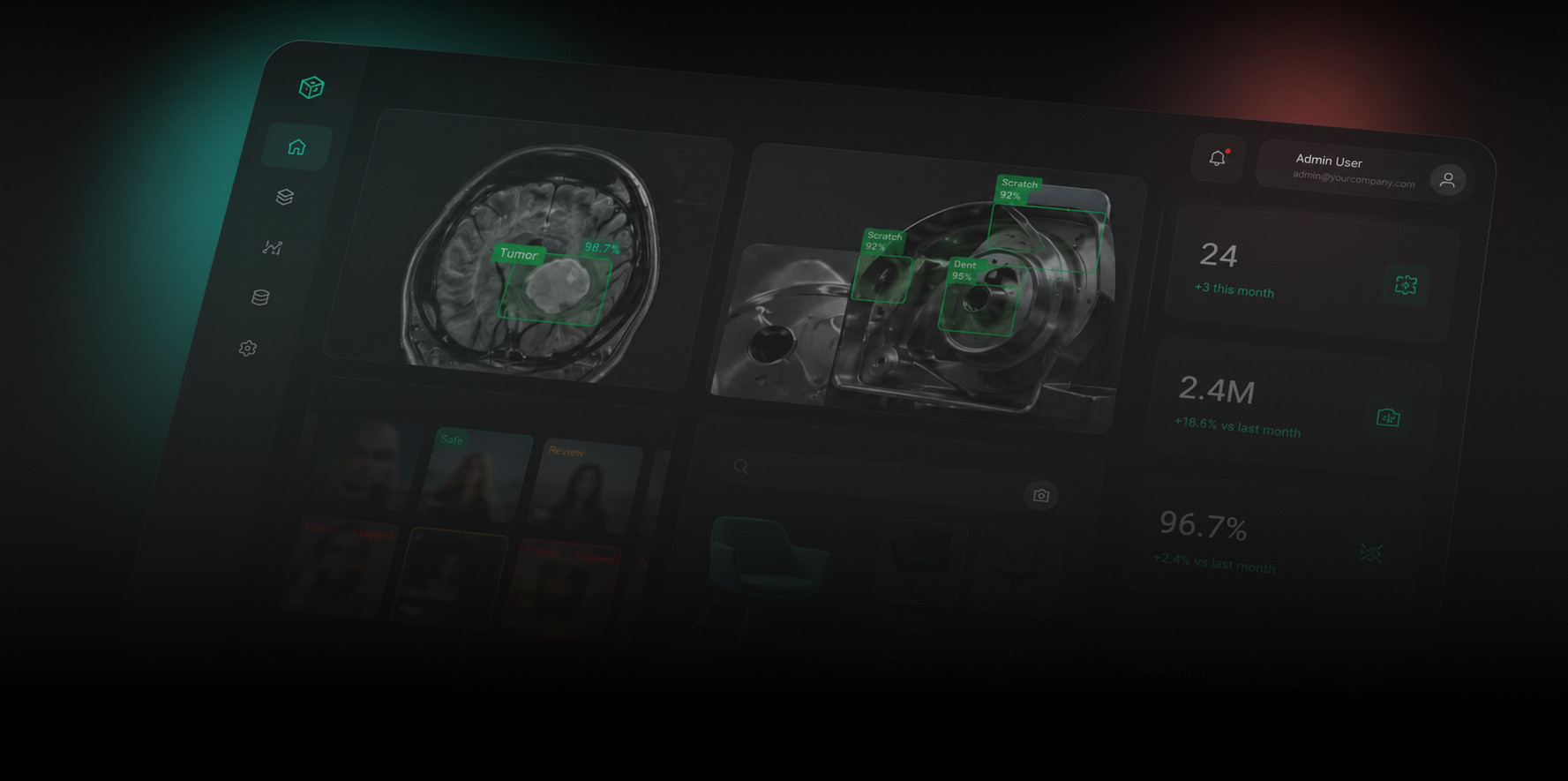
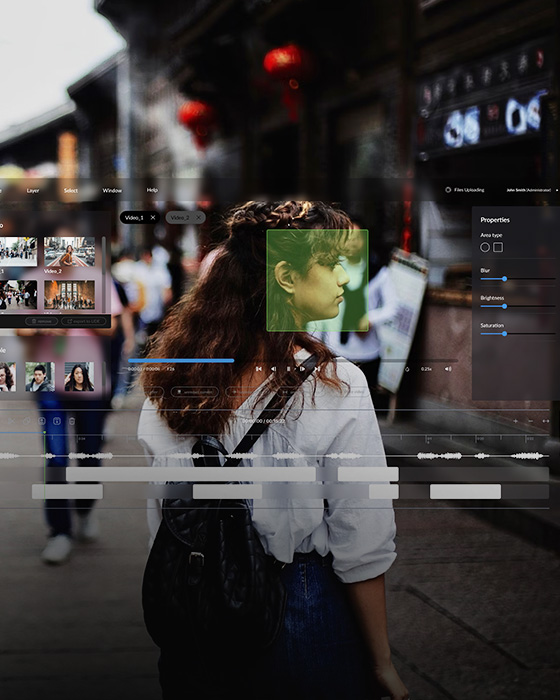
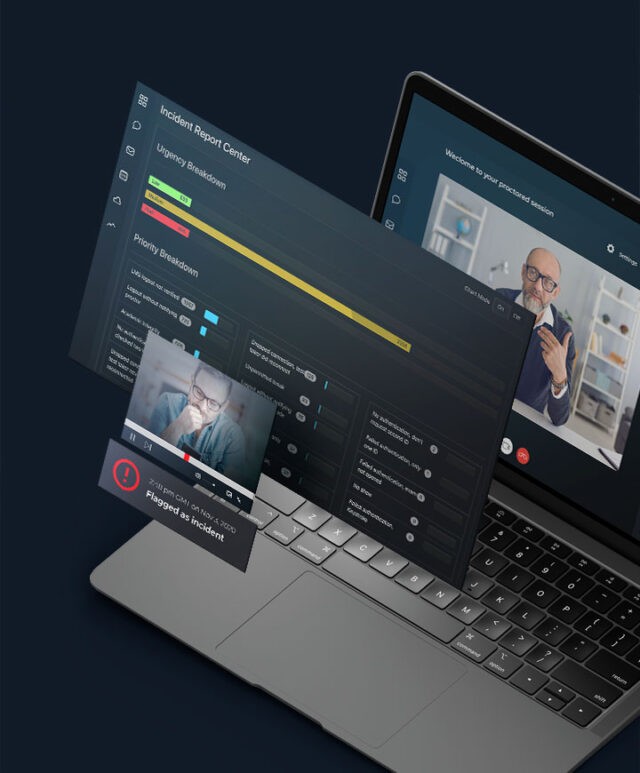
Oxagile builds custom image analysis software: object recognition, medical imaging, defect detection, content moderation, and visual anomaly detection, scoped to your objects and tolerance thresholds. The same computer vision engineers own the full stack, including data labeling pipelines, model training, and inference optimization, and use custom models or integrations with Google Vision AI, Amazon Rekognition, and Clarifai. Our experience spans 27+ verticals, including a proctoring platform monitoring 5,000+ exams daily.


Computer vision as a back-office workhorse, replacing manual review steps with deterministic, auditable machine decisions.
Tracking and analysis systems built for operational environments where object identity, trajectory, and behavior matter as much as detection itself.
Affective state inference calibrated to your audience segment, beyond the six basic emotion labels general models are trained on.
Face analysis architecture scoped for security, access control, and forensic workflows, with regulatory and bias considerations built into the design phase, instead of appended after.
Automated screening pipelines that catch what slips past keyword filters, trained on your content taxonomy.
Visual fingerprinting and deviation detection for brand protection, IP enforcement, and counterfeit identification at scale.

Our engineers select and combine CNNs, RNNs, graph convolutional networks, and deep belief learning based on your data geometry and inference requirements. The architecture is then optimized for accuracy, latency, or size, depending on where the model runs.
We bring custom image recognition software development experience from 27+ verticals to every engagement. This means the edge cases, labeling challenges, and deployment constraints of your field are already part of how we think.
 Healthcare
 Medical image analysis across X-ray, MRI, ultrasound, CT, and nuclear medicine modalities. Everything is engineered for diagnostic support, image-guided surgery, treatment adherence monitoring, and injury rehabilitation.
 Manufacturing
 Visual inspection systems for supply chain and production line use. They include inventory monitoring, equipment QC, and defect identification with structured corrective action workflows.
 Public safety
 Object, person, and behavior analysis for threat detection and situational awareness. High-magnification image clarity, GIS integration for crime mapping, and activity recognition tuned to operational security requirements.
 Online video
 Image analysis infrastructure built for platforms handling large volumes of user-generated and licensed video content, where moderation accuracy, metadata richness, and personalization precision directly affect retention and revenue.
 eCommerce
 Product image analysis for visual affinity-based recommendations, emotion recognition at point of browse, and enriched catalog metadata that sharpens targeting without manual tagging.
Our engineers have worked across medical imaging, manufacturing inspection, public safety, and media moderation, each with its own annotation standards, latency constraints, and failure modes.
That cross-domain exposure shapes faster, more defensible architecture decisions.
We scope and build the full stack: data labeling pipelines, model training, inference optimization, and integration with your existing systems.
No handoffs between a research team and a deployment team. The same engineers own the problem from dataset to production.
Shipping a vision model is different from shipping an accurate one. Our engineers routinely work on post-training quantization, pruning, and hardware-specific optimization.
We get models to run at line speed on edge devices, not just in benchmark conditions.
OpenCV • Detectron2 • Ultralytics YOLO • MMDetection • MediaPipe • NVIDIA DeepStream
PyTorch • TensorFlow • Keras • ONNX Runtime • TensorRT • JAX
Tesseract OCR • PaddleOCR • EasyOCR • AWS Textract • Google Document AI • Azure AI Vision
InsightFace • FaceNet • DeepFace • dlib • OpenFace • Neurotechnology SDK
FFmpeg • GStreamer • NVIDIA CUDA • OpenVINO • Apache Kafka • WebRTC
NVIDIA Jetson • Docker • Kubernetes • Triton Inference Server • AWS SageMaker • Azure ML
CVAT • Label Studio • Roboflow • Supervisely • FiftyOne • Weights & Biases
Oxagile has built image analysis systems across healthcare, manufacturing, logistics, retail, banking, education, transportation, agriculture, and security. Use cases range from quality inspection and biometric verification to document processing, surveillance, inventory tracking, and operational analytics.
Oxagile’s models support object detection, image classification, segmentation, OCR, facial recognition, anomaly detection, pose estimation, video tracking, document intelligence, and multimodal analysis. Each solution is scoped around the operational requirements, data quality, and infrastructure constraints of the environment it runs in.
Both are possible. Depending on latency, privacy, bandwidth, and processing requirements, Oxagile deploys systems fully in the cloud, on-premise, or directly on edge hardware such as industrial gateways, embedded systems, mobile devices, or NVIDIA Jetson infrastructure.
Timelines depend on model complexity, dataset readiness, infrastructure requirements, and integration scope. Oxagile ships smaller systems in several weeks, while enterprise-grade custom image recognition software development with training pipelines, MLOps, and production deployment typically requires several months.
Yes. Oxagile runs PoCs to validate feasibility, expected accuracy, infrastructure requirements, and operational fit before full-scale engineering begins. This allows teams to evaluate performance against real-world data and deployment conditions early in the process.
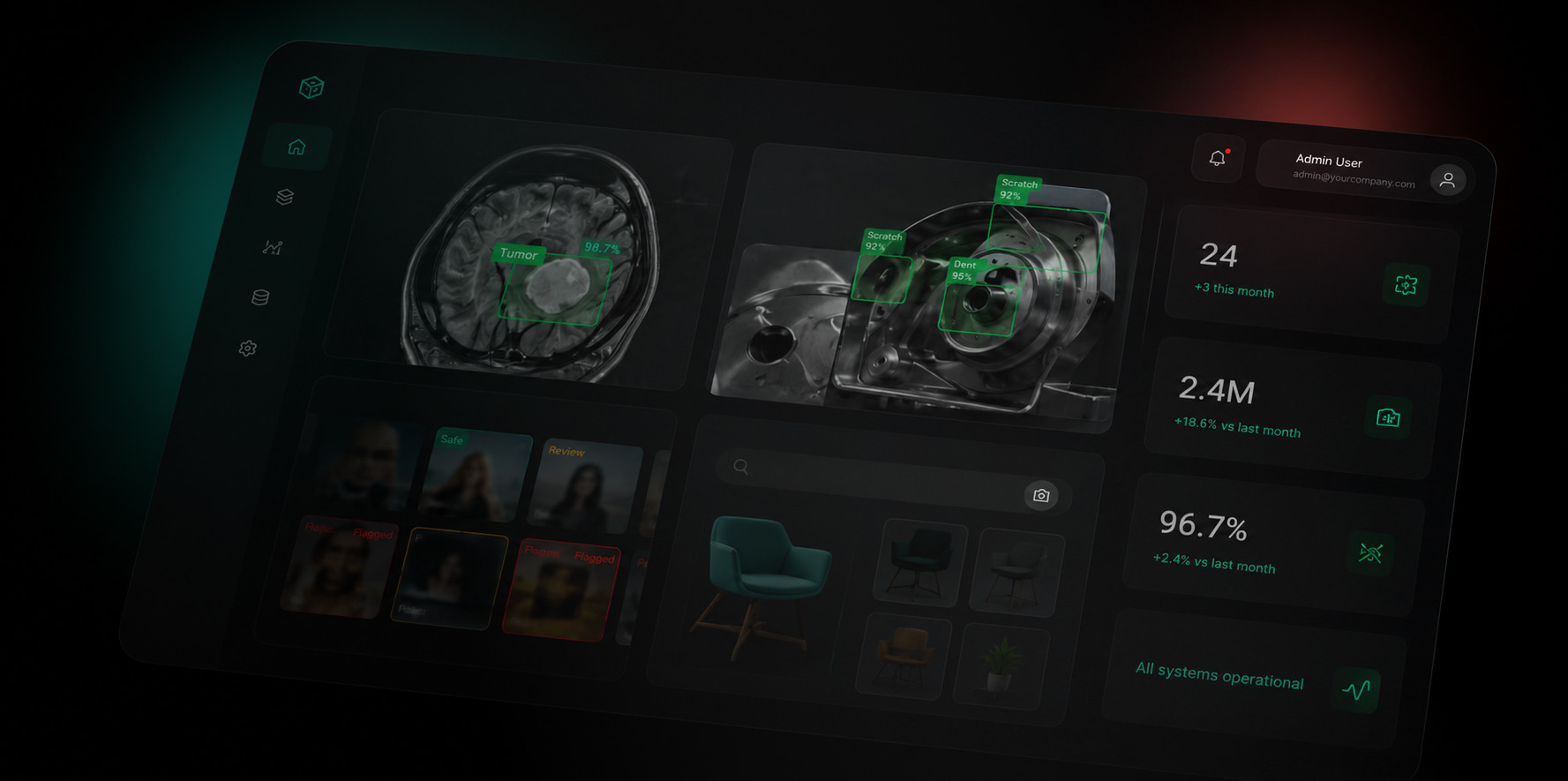
Image recognition identifies what is in an image, classifying objects, faces, or text against categories a model has been trained on. Image analysis is broader: it includes recognition, plus measurement, segmentation, anomaly detection, and metadata extraction that turn an image into structured data.
Oxagile builds both, usually as a single pipeline, because most production systems need to recognize something and then act on what was measured.