













This website uses cookies to help improve your user experience




Over the past decade, digital publishers have weathered massive transformations, from shifts in audience behavior to platform-driven algorithm changes. The early promises of the “pivot to video” sparked a wave of investment in video content, but for many, the returns were inconsistent. High-profile layoffs, missed revenue goals, and overreliance on third-party platforms left publishers questioning the sustainability of video-first strategies.
Yet, in 2026, the narrative has shifted. Native video advertising has moved from experimentation to a core part of many publishers’ monetization strategies. Leading publishers don’t rely on viral distribution through social platforms anymore. They focus on building direct audience relationships through native video ads placed on their own websites, newsletters, and apps.
Still, the market remains competitive, and advertising margins face pressure. At the same time, publishers see new revenue opportunities through contextual video ads, AI-powered personalization, and subscription-based video models. Publishers that embrace the native video format within their owned ecosystems are seeing higher engagement, better control over data, and more predictable monetization.
Key takeaways:
Have you ever seen a sponsored article in a magazine? Let’s set aside the question of when you last held a print publication in your hands, but focus on a digital website instead. In this format, the message sits naturally within the content and follows the structure readers already expect.
Native video ads follow the same principle. They appear inside articles, feeds, newsletters, or mobile apps and follow the structure of surrounding editorial content. Viewers encounter the ad as part of the browsing flow.
Common native video placements include:
Video consumption trends reinforce the value of these formats. People spend more time watching videos across websites, social platforms, and streaming services every year. Because of that, video has become one of the dominant forms of online content. Recent industry estimates show video accounts for roughly 82% of global internet traffic1.
When brands promote content inside publisher environments, the benefits of using native video thumbnails for advertisers become clear:
When you host video and advertising inside your own platform, you control distribution, audience data, and revenue streams. This model aligns with the shift toward first-party data and privacy-focused advertising infrastructure.

Working with online video for over 20 years, our expert team knows the ins and outs of AdTech solutions for custom video and OTT.
During the last decade, digital publishers have learned a tough lesson: relying heavily on third-party platforms for video distribution is a risky long-term strategy. Platforms like YouTube, Facebook, and Instagram helped popularize online video and attract massive audiences. At the same time, they control how content appears, how publishers monetize it, and how performance gets measured.
Today, that model no longer delivers the same value. Major social platforms continue to prioritize their own ecosystems and advertising products, from Facebook Watch to YouTube Shorts. This makes it harder for publishers to gain visibility or build consistent revenue streams. Algorithm updates, monetization policy changes, and a lack of transparent performance data make it nearly impossible to run a sustainable video business on someone else’s terms.
Moreover, browser restrictions like Safari and Chrome blocking autoplay and third-party cookies have reduced the impact of passive video views and attention-driven tactics. Audiences increasingly seek high-quality, intentional viewing experiences and are more likely to engage with content they actively choose (not the content that’s pushed into their feed).
These shifts have made it clear that publishers need greater ownership of their video strategies. By bringing their native video advertising efforts in-house and hosting content directly on their websites, apps, or newsletters, they regain control over how video is delivered, monetized, and measured. This approach improves the user experience and keeps the full share of video ad revenue with the publisher.
Crucially, this approach allows access to first-party audience data, which is a growing priority in the cookieless digital economy. With browsers phasing out third-party tracking, first-party insights are becoming a key asset for publishers looking to personalize experiences, improve targeting, and build sustainable monetization models.
What’s more, the rise of connected TV (CTV) and cross-device streaming is expanding how and where video is consumed. Publishers who control their own video distribution can also bring their content to Smart TVs and other OTT platforms. This opens the door to viewers on more screens and creates a smoother, more consistent experience wherever audiences choose to watch.
To help scale these efforts, many are also turning to AI-powered tools for video production and distribution. Automated transcriptions, highlight generation, and recommendation systems reduce the workload for editorial teams. These tools also let audiences find relevant moments faster and keep them watching longer. For example, many video platforms now use AI to automatically generate captions and short highlight clips, which publishers can publish on websites or social channels without additional editing.
Of course, this model requires investment in infrastructure, strategy, and analytics. For publishers thinking long term, managing the entire video workflow from creation to monetization is quickly becoming standard practice.

Owning your video distribution platform may sound empowering, and it is. But for publishers, bringing video production and monetization in-house presents a number of operational and strategic challenges. These are the most common hurdles they face.
Managing video across distributed teams, platforms, and formats is far from simple. Off-the-shelf video management tools often fall short when it comes to:
In contrast, custom-made video solutions can be tailored to meet specific business needs. Though this approach requires a higher upfront investment, it offers long-term flexibility, better alignment with internal goals, and more control over content delivery and user experience.
Turning views into revenue through on-site video, especially via native video ads, remains a complex process. Advertisers expect:
Relying exclusively on programmatic buying means ceding much of that control to algorithms. As a result, publishers risk their ads appearing next to inappropriate or controversial content. This has already led to several publicized brand withdrawals and revenue losses.
To counter that, many publishers are shifting focus toward programmatic direct models, which combine automation with the safety and transparency of negotiated deals. In parallel, direct sales remain a reliable way to match premium inventory with high-value advertisers in controlled environments.
As video storytelling evolves into a primary mode of journalism and branded communication, quality expectations continue to rise. To compete with major digital publishers and media platforms publishers should:
Maintaining this level of quality requires careful decisions around budgeting, hiring, and workflow design, especially as audience attention spans shorten and content lifecycles accelerate.
Building a sustainable in-house video strategy takes time, resources, and persistence. Publishers who commit to it gain greater independence, stronger monetization opportunities, and closer relationships with their audiences.
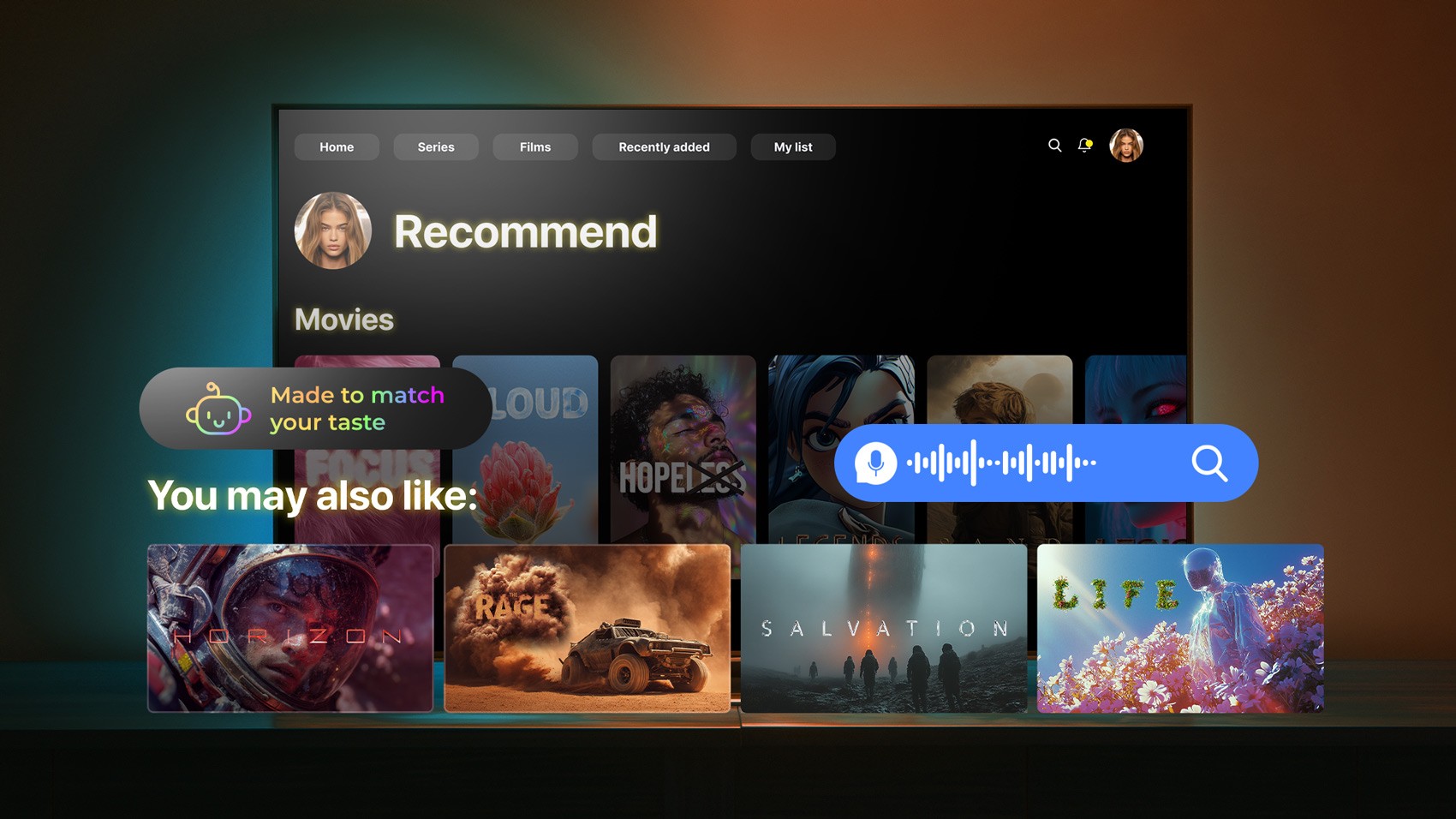
We built a custom video advertising platform that helped the client structure data, manage inventory, and connect multiple demand sources.
Key outcomes included:
If fragmented or platform-dependent video strategies haven’t delivered, online video itself is far from failing. Demand for video content continues to grow across industries and audiences. A recent industry survey shows that about 91% of businesses now use video as a marketing tool, and 93% of marketers say video plays an important role in their strategy2.
What struggles today is the heavy dependence on third-party platforms to handle distribution, monetization, and engagement. Publishers increasingly shift toward hosting and monetizing video within their own environments, where they can control audience relationships, analytics, and advertising revenue.
The good news is that the technology to support this transition is already available. What’s needed now is the readiness to embrace it — with the right tools, workflows, and partner support in place.
Publishers who run their own video platforms keep the revenue, the data, and the control. Oxagile’s team builds custom video, OTT, and AdTech solutions that fit real publisher workflows and grow with your audience.
1. Video Marketing Statistics and Trends — DemandSage
2. B2B Content Marketing Trends Research — Content Marketing Institute
Native video ads are video advertisements placed inside a publisher’s content environment so they match the format and structure of surrounding editorial content. Viewers encounter the ad as part of the normal browsing experience.
Common placements include in-feed video units inside article feeds, out-stream video between paragraphs, sponsored video segments inside editorial content, as well as video placements inside newsletters or mobile apps.
The main advantage of native video ads is contextual integration. The ad appears where audiences already consume content.
Publishers invest in native video advertising platforms because they want more control over revenue, audience data, and ad performance. Hosting video inside their own websites or apps keeps monetization within the publisher ecosystem.
This approach improves engagement, protects brand safety, and gives publishers access to first-party audience data. It also allows flexible pricing through direct and programmatic deals. As privacy rules limit third-party tracking, owning the video environment becomes a practical way to maintain sustainable advertising revenue.
Native video ads work by embedding video units directly into a publisher’s content layout. The ad appears inside articles, feeds, or app interfaces instead of interrupting the user experience. A typical workflow includes:
For publishers, this model keeps distribution and monetization inside their own ecosystem, where they control audience data, analytics, and pricing logic.
Native advertising video examples include formats placed directly inside the content flow readers already follow. The video matches the surrounding page layout and editorial tone. Common examples include:
These formats blend into the content experience. Users interact with them more naturally than with traditional display ads.
Publishers build a scalable native video advertising strategy by combining owned video infrastructure with strong audience data and advertising integrations. The core step is hosting video inside your own website, app, or OTT platform instead of relying on third-party distribution.
From there, publishers connect video players with ad servers, organize audience data for targeting, and automate production tasks such as captions or highlight clips. This setup improves monetization and provides clearer insight into how audiences watch and interact with video content.

