

Removing barriers to patient support

Distance, limited specialist availability, and capacity constraints make timely appointments difficult for many patients. Telehealth can bridge these gaps, but only when it’s supported by secure workflows and tools that clinicians actually use.

Provide access


The challenge:

Distributed patients. Limited specialists. Scheduling conflicts and long waits.

Remote monitoring and virtual visits help healthcare facilities reach patients anytime, anywhere, extending care access without overloading clinical staff.

Elevate quality


The challenge:

Inconsistent follow-ups. Fragmented patient data. Variable care standards.

Remote care platforms streamline workflows, safeguard data exchange, and support continuous monitoring for consistent, high-quality service.

Simplify engagement


The challenge:

Complicated interfaces. Poor adoption. Low patient compliance.

Integrated communication tools make it easy for patients and clinicians to connect, improving adherence, satisfaction, and overall care experience.

Reducing admin burden, maximizing reach

Stronger patient continuity

Secure messaging, remote follow-ups, and symptom monitoring help maintain consistent communication and reduce care gaps.

Scheduling and triage

Automated appointment management, digital intake, and remote triage minimize administrative tasks and smooth out daily patient flow.

Operational efficiency

Optimized clinician time, reduced no-shows, and coordinated workflows translate into lower overhead and more predictable resource planning.

Revenue opportunities

Reimbursable virtual visits, chronic care management, and remote monitoring open new billing streams without expanding facility capacity.

Scalable service reach

Providers can serve wider geographic areas, onboard more patients, and extend specialist access without physical expansion.

Shorter in-person visit loads

Virtual consultations help filter routine or non-urgent cases, reducing wait times and freeing clinicians for higher-acuity encounters.

Meet your complete telehealth platform

Modern telehealth software development requires more than just video calls. It’s about integrating care delivery with clinical workflows, administrative tools, and emerging technologies to create an efficient, patient-centered experience.

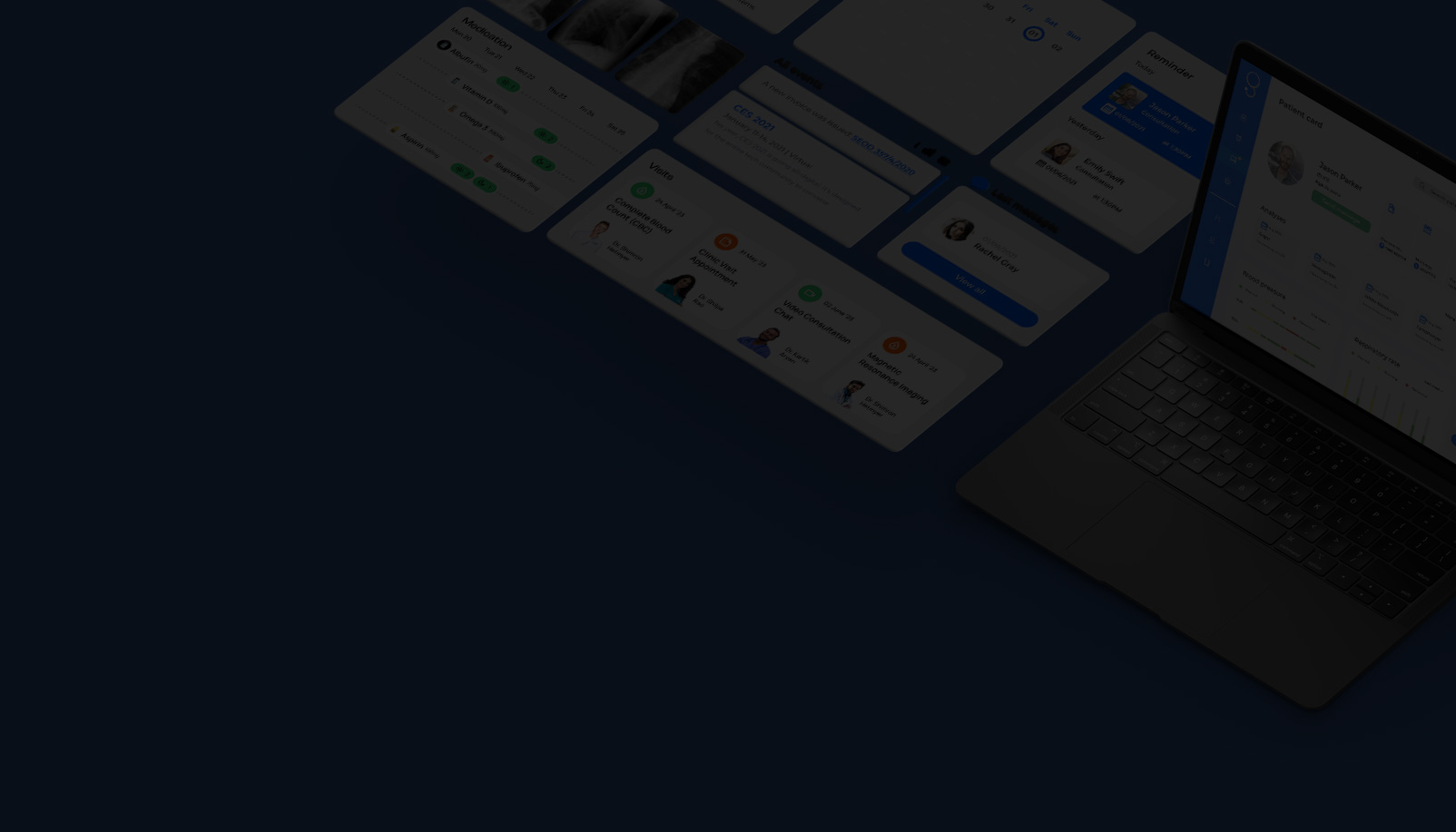
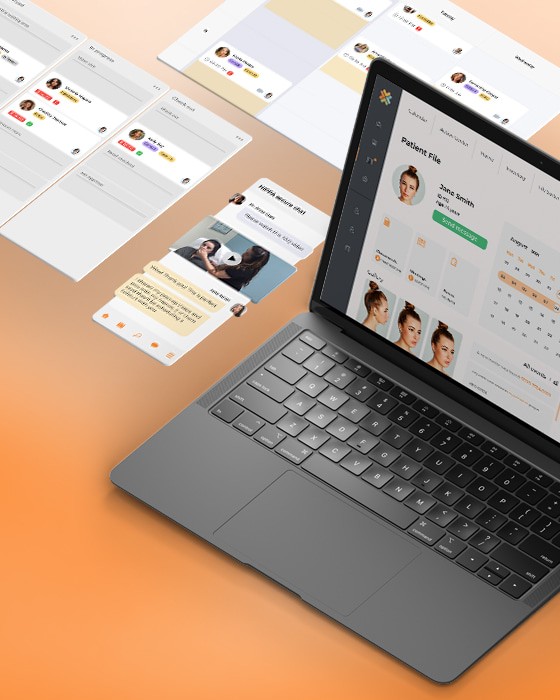
Smart scheduling and administration

Easily manage practitioner calendars, patient appointments, and automated reminders within existing facility systems.

High-quality remote consultations

Secure, reliable virtual visits with minimal latency and real-time assessments.

Seamless facility integration

Smoothly connect with hospital infrastructure, billing, and reporting systems, keeping virtual care aligned with in-person operations.

AI-powered insights

AI-assisted triage, symptom analysis, predictive care recommendations, and workflow optimization to support clinical decisions.

Wearable and IoT integration

Connect patient devices for remote monitoring, continuous vitals tracking, and real-time alerts.

Digital prescriptions and eHealth records

Generate, manage, and track prescriptions while keeping patient data and medical records fully synchronized across EMRs/EHRs and other clinical systems.
Bringing care right where your patients are

Want to broaden access to your clinical services through custom telehealth software development?

Remote care excellence, engineered

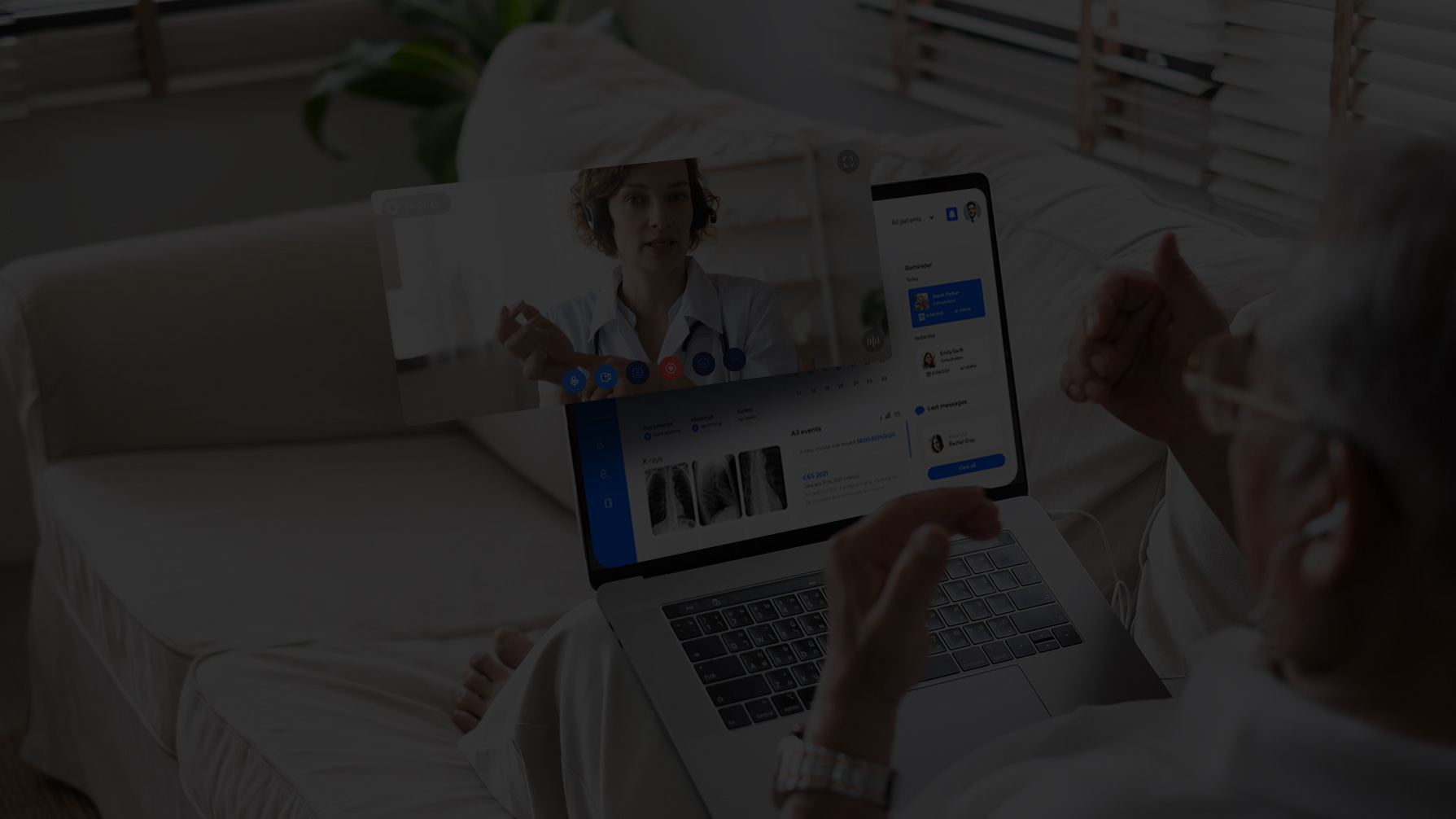
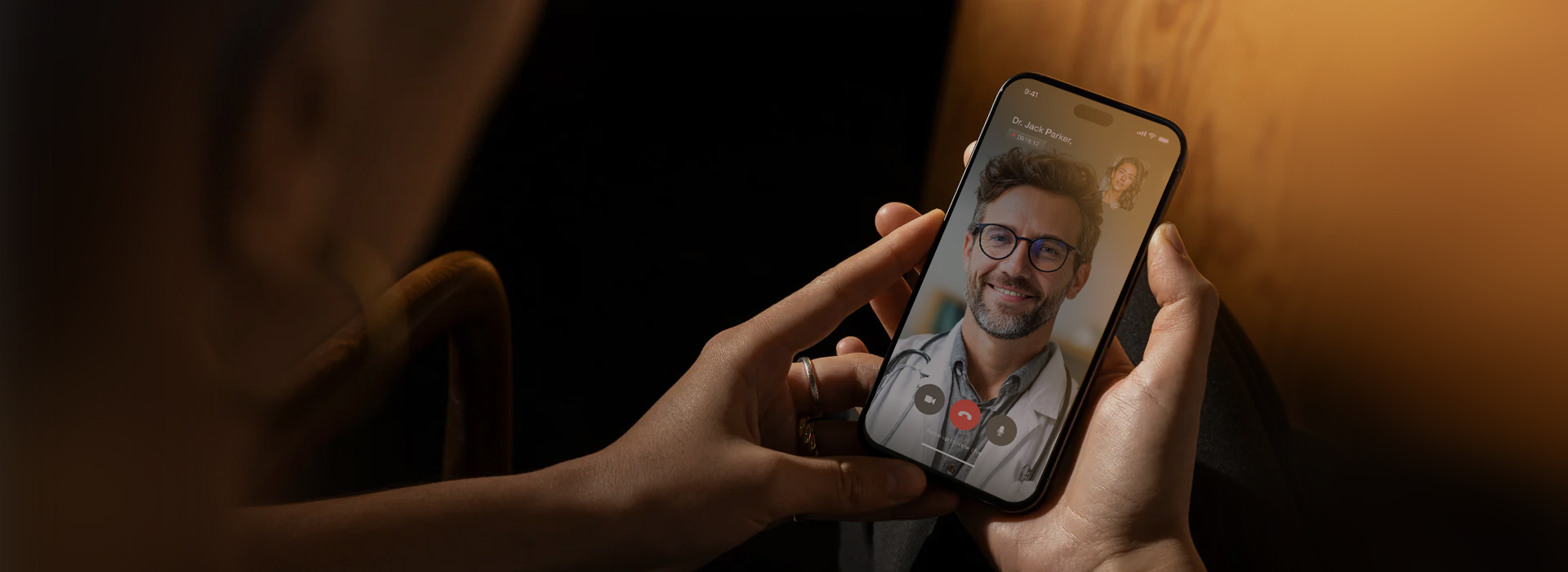
Real-time virtual consultations

High-quality video communication is essential to replicate the effectiveness of in-person visits. It powers seamless interaction between patients, providers, and care teams.

Support clear, low-latency video calls with secure file-sharing and session recording. Bring specialists or caregivers into multi-party consultations to improve accuracy and strengthen collaborative decisions.

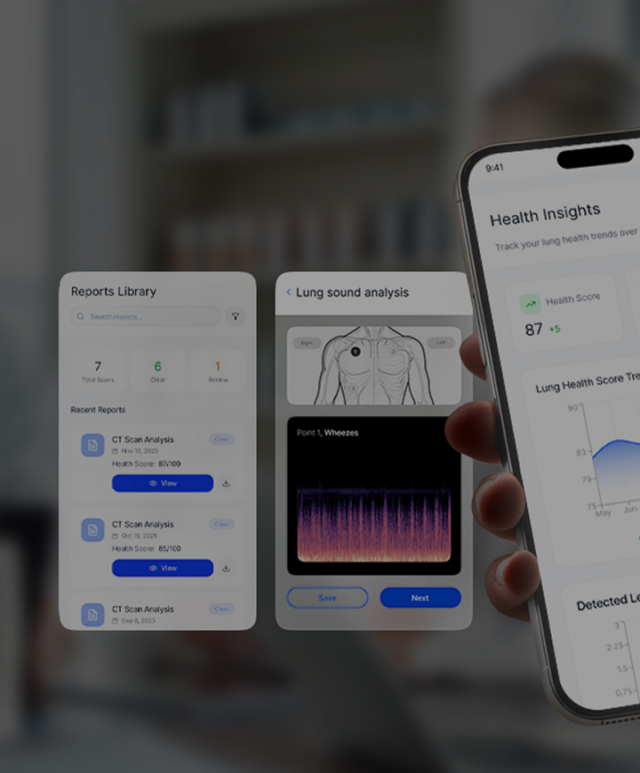
Comprehensive patient engagement apps

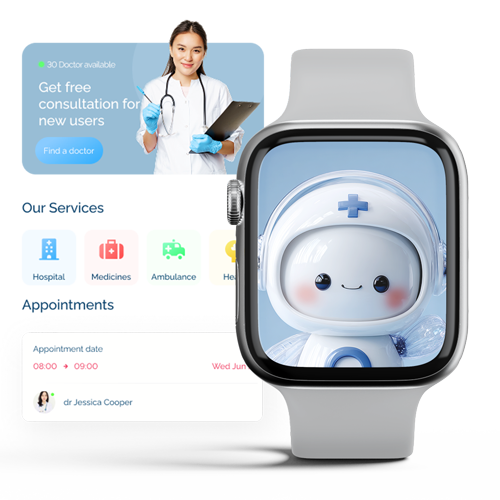
Clinical care can only go so far if patients aren’t actively involved. Strengthen engagement by reaching patients directly on their mobile devices with versatile mHealth apps.

Give patients an easy way to book appointments, conduct on-the-go video consultations, and access preventive care education. Automated treatment reminders and simple feedback tools help improve adherence and drive better health outcomes.

Unified patient and operational insights

Move beyond isolated data silos with integrated wearable sensors, patient-reported information, and facility systems to create a complete view of care.

Analyzing aggregated data brings hidden trends to the surface, flags potential complications early, and sharpens workflows. With this insight, providers can make confident, evidence-based decisions.

Continuous care beyond the clinic

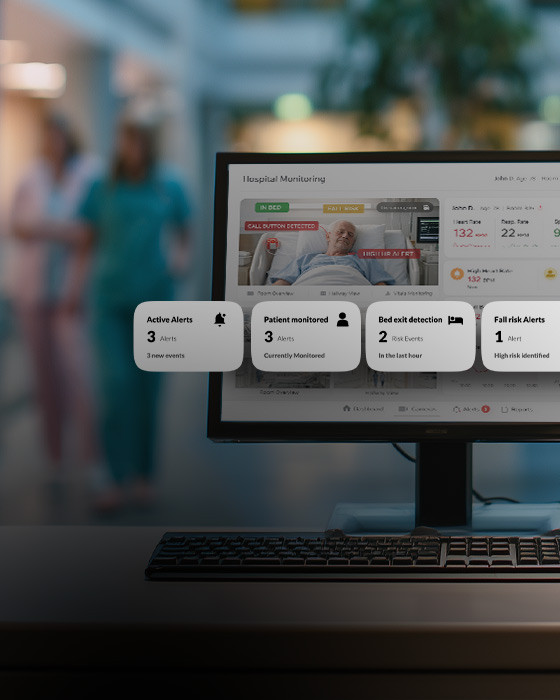
Monitoring multiple patients remotely can strain resources. The benefit of RPM solutions lies in combining real-time vitals tracking with intelligent alerts, directing attention to where it’s most needed.

Help postoperative and chronic individuals stay on track with continuous monitoring and early detection of health issues. Patients also gain tools to manage their care, which helps reduce provider workload.

Interactive guidance for patients

AR technologies provide clear, visual guidance that helps patients understand clinical tasks and follow care instructions accurately.

Interactive AR modules can walk patients through self-examinations, demonstrate correct use of wearables and home medical devices, and explain treatment steps in an intuitive way. This strengthens adherence, reduces misuse, and supports safer, more independent care at home.

Protected information, confident care

Medical data is highly sensitive and must be handled with the utmost care. Our security experts ensure full compliance with industry regulations, including HIPAA. They also implement robust measures such as role-based permissions, secure workflows, encrypted communication, and audit-ready systems.

This approach allows providers to confidently deliver telehealth services and safeguards patient privacy. It also protects the integrity of all clinical and operational data.

Frequently asked questions

What should I consider when planning a telemedicine app development project?

Developing a telemedicine app goes beyond simple video consultations. Important factors include managing patient data securely, supporting remote monitoring, meeting HIPAA requirements, and creating user-friendly interfaces for both patients and providers.

How do I choose the right telehealth app development company for my organization?

Selecting the right partner requires evaluating expertise in building scalable, compliant, and feature-rich platforms. The ideal company can integrate mobile applications with EHRs/EMRs, implement AI-driven triage and analytics, and deliver end-to-end solutions that enhance care delivery, optimize operations, and improve patient outcomes.

What types of telehealth app development services are typically offered?

Solutions may include patient-facing mobile apps, clinician dashboards, remote patient monitoring systems, and seamless integration with wearable devices. Additional offerings include security and compliance audits, cloud infrastructure, AI analytics, and ongoing maintenance to keep the platform scalable, reliable, and aligned with clinical workflows.

Advance your virtual care

Discover how our expertise in telehealth app development can transform your patient engagement and clinical workflows.

Get started